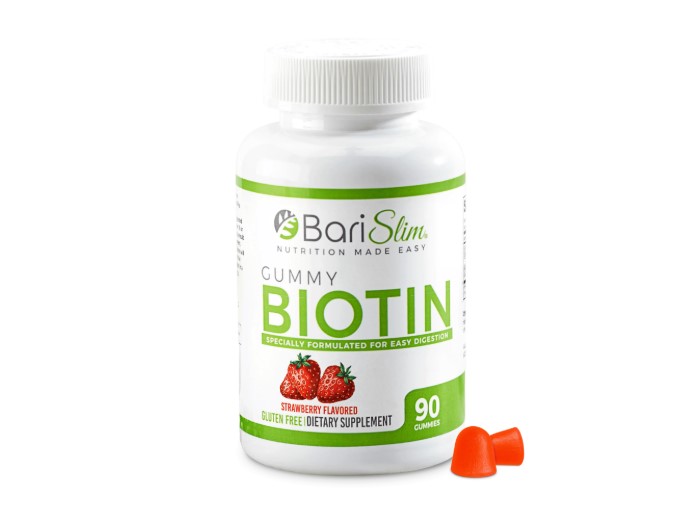
Bariatric surgery significantly changes how the body processes food and absorbs nutrients. After such procedures, maintaining proper nutrition becomes a long-term commitment rather than a short-term goal. Many individuals rely on bariatric nutrition supplements to meet their daily dietary requirements and avoid deficiencies that may arise due to reduced food intake and altered digestion. Understanding how these supplements work and why they are necessary is essential for maintaining overall health and supporting recovery after surgery.
Why Nutritional Support Is Crucial After Bariatric Surgery?
Procedures like gastric bypass or sleeve gastrectomy reduce stomach size and, in some cases, alter nutrient absorption pathways. This means that even a balanced diet may not provide sufficient vitamins and minerals. The body’s ability to absorb key nutrients such as iron, calcium, vitamin B12, and vitamin D can be compromised.
Without proper supplementation, deficiencies can lead to fatigue, bone loss, anemia, and neurological issues. This is why healthcare professionals strongly recommend structured supplementation plans tailored to individual needs. Supplements act as a safety net, ensuring the body continues to function optimally despite dietary limitations.
Key Nutrients Commonly Required
Post-surgery nutrition focuses on specific nutrients that are most at risk of deficiency. These typically include:
- Protein: Essential for healing, muscle maintenance, and immune function
- Vitamin B12: Important for nerve health and red blood cell production
- Iron: Supports oxygen transport in the blood
- Calcium and Vitamin D: Crucial for bone strength
- Folate: Plays a role in cell growth and metabolism
Meeting these nutritional needs through food alone can be difficult, especially in the early stages after surgery. This is where bariatric nutrition supplements play a vital role in bridging the gap.
Types of Supplements Available
There are several types of supplements designed specifically for post-bariatric patients. These are formulated to be easily absorbed and gentle on the digestive system.
Multivitamins
Specialized bariatric multivitamins provide a comprehensive mix of essential nutrients in appropriate doses. They are often available in chewable, liquid, or capsule forms to accommodate different stages of recovery.
Calcium Supplements
Calcium citrate is commonly recommended because it is better absorbed without the need for stomach acid. It is usually taken in divided doses throughout the day for optimal absorption.
Iron Supplements
Iron may be prescribed separately or included in multivitamins. It is important to take it at a different time than calcium, as the two can interfere with each other’s absorption.
Protein Supplements
Protein intake is often insufficient after surgery due to reduced appetite and portion sizes. Protein powders, shakes, and ready-to-drink options help meet daily protein goals without overloading the digestive system.
Choosing the Right Supplement Routine
Selecting the appropriate supplement regimen depends on several factors, including the type of surgery, individual health status, and lab results. Regular monitoring through blood tests helps identify deficiencies early and adjust supplementation accordingly.
Consistency is key. Missing doses or discontinuing supplements can quickly lead to imbalances. Establishing a daily routine and using reminders can help maintain adherence. It is also important to follow professional guidance rather than self-prescribing, as excessive intake of certain nutrients can be harmful.
Common Challenges and How to Manage Them
Some individuals may experience side effects such as nausea, constipation, or difficulty tolerating certain supplement forms. These issues can often be managed by switching formulations, adjusting timing, or dividing doses throughout the day.
Taste and texture can also be barriers, especially with chewable or liquid supplements. Exploring different options and flavors can make the process more manageable. Hydration and proper timing with meals can further improve tolerance and absorption.
Conclusion
Maintaining proper nutrition after bariatric surgery requires careful planning and consistency. Supplements are not optional but a fundamental part of post-surgical care. They help compensate for reduced intake and absorption, ensuring the body receives essential nutrients for long-term health. Understanding their role and using them correctly can make a significant difference in recovery and overall well-being. Incorporating the right balance of nutrients, including bariatric protein supplements, supports healing, strength, and sustained vitality in the years following surgery.