In the world of finance, your CIBIL (Credit Information Bureau India Limited) score is an essential aspect that lenders consider when determining your creditworthiness. A high CIBIL score can lead to better loan terms, lower interest rates, and, in some cases, even approval for credit when others might be denied. But what does the best CIBIL score look like, and how can you reach it faster? This article outlines the features of an excellent CIBIL score and provides proven steps to increase your score effectively.
Understanding the CIBIL Score
What is a CIBIL Score?
A CIBIL score is a three-digit number that ranges from 300 to 900, reflecting your credit history and overall financial behavior. This score is calculated based on several factors, including your payment history, credit utilization, length of credit history, mix of credit types, and new credit inquiries.
What is Considered a Good CIBIL Score?
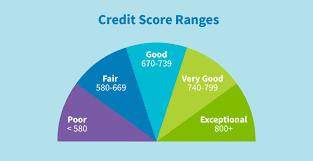
- Excellent Score: 750 and above
- Good Score: 700 to 749
- Fair Score: 650 to 699
- Poor Score: Below 650
If you’re aiming for the best CIBIL score, you should strive for a score of 750 or higher. This level of score indicates to lenders that you are a low-risk borrower.
Features of the Best CIBIL Score
Risk Assessment
A high CIBIL score signals to lenders that you have a good chance of repaying your loans on time. It significantly reduces the risk for them, making you a more attractive candidate for credit.
Better Interest Rates
With an excellent CIBIL score, lenders are more likely to offer you lower interest rates on loans and credit cards. This can save you substantial amounts over time.
Increased Loan Approval Chances
Having the best CIBIL score increases your likelihood of getting loan approvals, whether it’s for a home, car, or personal loan. Lenders want to finance candidates who have demonstrated responsible financial behavior.
Higher Credit Limit
Those with an exemplary CIBIL score often receive higher credit limits on credit cards and loans, allowing for more flexibility in your finances.
Proven Steps to Reach the Best CIBIL Score Faster
1. Check Your CIBIL Report Regularly
Your first step towards improving your score is to know where you currently stand. Obtain a free copy of your CIBIL report once a year and check for inaccuracies. Errors in your report can adversely affect your score.
Action Steps:
- Review your report for discrepancies.
- Dispute any inaccuracies with CIBIL to ensure they are corrected.
2. Make Timely Payments
Your payment history forms a significant part of your CIBIL score. Making payments on time impacts your score positively. Even a single late payment can reduce your score.
Action Steps:
- Set up reminders for payment dates.
- Consider automatic payments for essential obligations such as loans and credit cards.
3. Maintain a Low Credit Utilization Ratio
The credit utilization ratio is the amount of credit you are using compared to your total credit limit. It is recommended to keep this ratio below 30%. Higher utilization rates can negatively impact your CIBIL score.
Action Steps:
- Monitor your spending on credit cards.
- If possible, pay off your card balances each month.
4. Diversify Your Credit Mix
A diverse mix of credit types—secured loans, unsecured loans, credit cards—can have a positive impact on your score. Lenders prefer applicants with various types of credit histories.
Action Steps:
- If you only have credit cards, consider applying for a small personal loan.
- Ensure that you manage multiple types of credit responsibly.
5. Be Cautious with New Credit Applications
Each time you apply for credit, a hard inquiry is made on your report, which can slightly reduce your score. Too many applications in a short period can signal risk to lenders.
Action Steps:
- Evaluate your financial needs before applying for new credit.
- Limit applications for new credit to necessities.
6. Keep Old Accounts Active
The length of your credit history contributes to your overall score. Closing old accounts, especially those in good standing, can shorten your credit history and negatively impact your score.
Action Steps:
- Keep older credit accounts open, even if you use them sparingly.
- Make small purchases on these accounts occasionally to keep them active.
7. Seek Professional Help
If you find it challenging to improve your credit score, consider consulting a financial advisor or credit counseling service. They can offer tailored strategies that suit your financial situation.
Action Steps:
- Research reputable credit counseling services in your area.
- Set up an appointment to discuss your credit score improvement strategy.
8. Build an Emergency Fund
Having an emergency fund can help you avoid borrowing money during financial difficulties. This reduces the risk of missed loan or credit card payments, which can negatively affect your credit profile. Building a financial safety net is one of the smart ways to understand how to increase CIBIL score and maintain a healthy credit history over time.
Action Steps:
- Aim to save at least 3 to 6 months’ worth of living expenses.
- Automate transfers to your savings account to build your fund steadily.
Conclusion
Achieving the best CIBIL score is a significant accomplishment that can lead to a variety of financial benefits, including better loan terms and credit opportunities. The key to reaching this goal lies in understanding your current score, making timely payments, maintaining a low credit utilization ratio, diversifying your credit mix, and being cautious about new applications. By following these proven steps, you can increase your CIBIL score more quickly and efficiently. Remember, financial health is a journey, and every small step you take can lead you closer to your goal of achieving that coveted high CIBIL score.