In an increasingly competitive international market, exporters must continuously improve productivity, reduce operational costs, and maintain compliance with trade regulations. Governments often introduce various trade facilitation programs to support businesses in achieving these objectives while enhancing global competitiveness.
Among the most valuable initiatives available to exporters are the Export Promotion of Capital Goods Scheme and AEO Certification. Both programs are designed to strengthen international trade operations, but they serve different purposes. The Export Promotion of Capital Goods Scheme helps businesses import capital goods at concessional duty rates, while AEO Certification provides trusted trader status and customs-related benefits.
When used together, these programs can help organizations reduce costs, improve operational efficiency, and achieve sustainable export growth.
Understanding the Export Promotion of Capital Goods Scheme
The Export Promotion of Capital Goods Scheme is a government initiative that encourages exporters to upgrade technology and improve manufacturing capabilities by allowing the import of capital goods at reduced customs duties.
Capital goods include machinery, equipment, production systems, and technological tools required for manufacturing, production, and service delivery. Through this scheme, businesses can invest in modern equipment without facing the full burden of import duties.
In return, participating companies must fulfill specified export obligations within a prescribed period.
The primary objective of the Export Promotion of Capital Goods Scheme is to improve export competitiveness by encouraging investment in advanced production infrastructure.
Benefits of the Export Promotion of Capital Goods Scheme
The scheme provides significant advantages for businesses seeking expansion and modernization.
Reduces Capital Investment Costs
Importing advanced equipment can be expensive.
- The Export Promotion of Capital Goods Scheme allows businesses to import machinery at concessional customs duty rates, reducing upfront investment requirements and improving affordability.
- Lower capital costs enable organizations to allocate resources toward innovation, workforce development, and market expansion initiatives.
Supports Technological Advancement
Modern equipment improves productivity.
- Businesses can adopt advanced technologies that enhance manufacturing quality, operational efficiency, and production capacity while meeting international standards.
Strengthens Export Competitiveness
Global markets demand efficiency.
- Improved infrastructure and production capabilities help exporters deliver higher-quality products, maintain competitive pricing, and respond effectively to changing market demands.
What Is AEO Certification?
AEO Certification, or Authorized Economic Operator Certification, is a trade facilitation program that recognizes businesses demonstrating strong compliance records, secure supply chain practices, and effective internal controls.
The certification is designed to build trust between customs authorities and businesses involved in international trade. Certified organizations receive various customs-related benefits that simplify import-export operations.
AEO Certification has become increasingly important as global supply chains prioritize security, transparency, and operational efficiency.
Companies with AEO status are generally viewed as reliable and low-risk trading partners.
Benefits of AEO Certification
AEO status offers multiple operational advantages.
Faster Customs Processing
Speed is critical in international commerce.
- AEO Certification often results in priority customs treatment, reduced inspection frequency, and faster clearance of goods, helping businesses avoid costly delays.
- Improved processing times contribute to more efficient supply chain management and enhanced customer satisfaction.
Reduced Compliance Burden
Trusted businesses receive procedural advantages.
- Customs authorities typically require fewer interventions for AEO-certified organizations, reducing administrative workload and improving operational efficiency.
Enhanced Business Credibility
Reputation matters in global trade.
- AEO Certification demonstrates a commitment to compliance, security, and best practices, strengthening relationships with customers, suppliers, and international partners.
How Export Promotion of Capital Goods Scheme and AEO Certification Work Together
Although these programs focus on different aspects of international trade, they complement each other effectively.
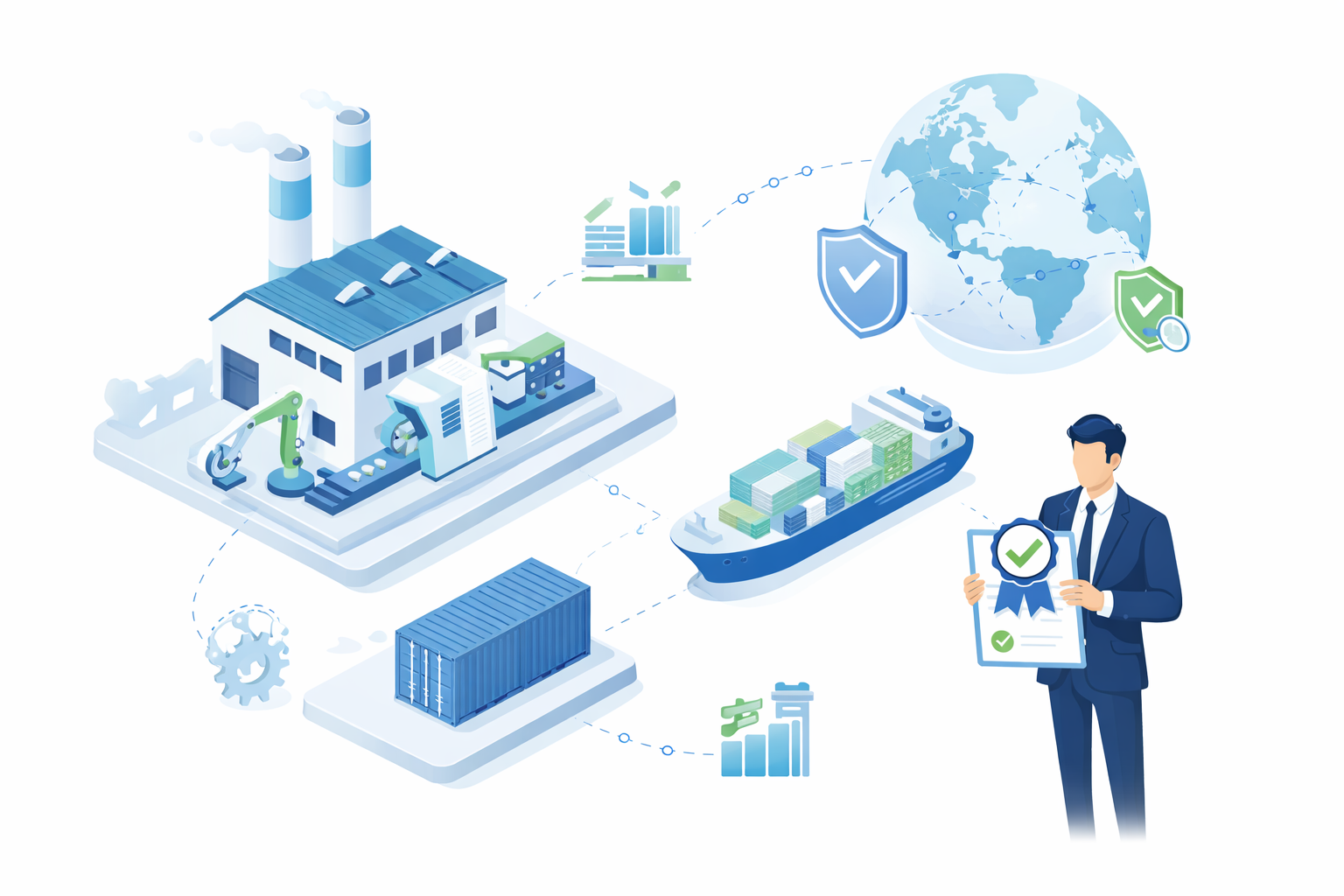
The Export Promotion of Capital Goods Scheme helps businesses acquire advanced machinery and technology needed to increase production and export capacity. AEO Certification, on the other hand, helps streamline customs procedures and improve supply chain efficiency.
For example, a manufacturer may use the Export Promotion of Capital Goods Scheme to import state-of-the-art production equipment. As exports increase, obtaining AEO Certification can help accelerate customs clearance and reduce logistical delays.
Together, these benefits contribute to stronger competitiveness, lower operating costs, and improved export performance.
Industries That Benefit Most
Several sectors can gain substantial advantages from these programs.
Manufacturing Industry
Technology upgrades drive growth.
- Manufacturers frequently utilize the Export Promotion of Capital Goods Scheme to modernize production facilities while leveraging AEO Certification to improve supply chain efficiency.
Engineering and Industrial Equipment
Precision and productivity are essential.
- Advanced machinery imported under the scheme can help companies improve output quality while AEO benefits support timely international shipments.
Textile and Apparel Sector
Global competition is intense.
- Export-oriented textile businesses can enhance production capabilities and improve delivery timelines through the combined use of these programs.
Pharmaceutical Industry
Compliance and efficiency are critical.
- Pharmaceutical exporters benefit from modern production technologies and faster customs processing, helping them meet stringent international standards.
Best Practices for Businesses
Organizations can maximize program benefits by following structured compliance strategies.
Maintain Detailed Documentation
Accurate records simplify compliance.
- Businesses should maintain import records, export data, machinery utilization reports, and customs documentation to support regulatory requirements and audits.
Monitor Export Obligations
Compliance requires continuous oversight.
- Companies participating in the Export Promotion of Capital Goods Scheme should regularly track export performance to ensure obligations are fulfilled within prescribed timelines.
Strengthen Internal Controls
Operational discipline improves outcomes.
- Strong internal systems help organizations maintain compliance while meeting the standards required for AEO Certification.
Seek Professional Guidance
Expert assistance reduces complexity.
- Trade consultants and compliance professionals can help businesses navigate application procedures, documentation requirements, and ongoing compliance responsibilities.
Common Challenges Businesses Face
Despite the advantages, companies may encounter several challenges.
- Understanding complex regulatory requirements can be difficult without proper guidance.
- Failure to monitor export obligations may lead to compliance issues under the Export Promotion of Capital Goods Scheme.
- Incomplete documentation can delay AEO Certification approvals.
Organizations that establish proactive compliance frameworks are generally better equipped to manage these challenges successfully.
Long-Term Advantages for Exporters
Businesses that effectively leverage the Export Promotion of Capital Goods Scheme and AEO Certification often achieve meaningful long-term benefits.
Modern equipment improves productivity, enhances product quality, and supports business growth. At the same time, streamlined customs procedures reduce delays, strengthen customer relationships, and improve overall supply chain performance.
These advantages contribute to stronger profitability, improved market access, and greater resilience in competitive global markets.
As international trade continues to evolve, companies that invest in both operational excellence and regulatory compliance position themselves for sustainable success.
Conclusion
The Export Promotion of Capital Goods Scheme and AEO Certification are powerful tools that help exporters strengthen competitiveness and improve trade efficiency. While the scheme supports technology upgrades through concessional imports of capital goods, AEO Certification enhances customs facilitation and supply chain reliability.
Businesses that strategically utilize both programs can reduce costs, improve operational performance, and build a stronger foundation for long-term export growth.
Looking to maximize export opportunities and streamline international trade operations? Consult experienced trade professionals to understand how the Export Promotion of Capital Goods Scheme and AEO Certification can help your business achieve compliance, efficiency, and sustainable global growth.