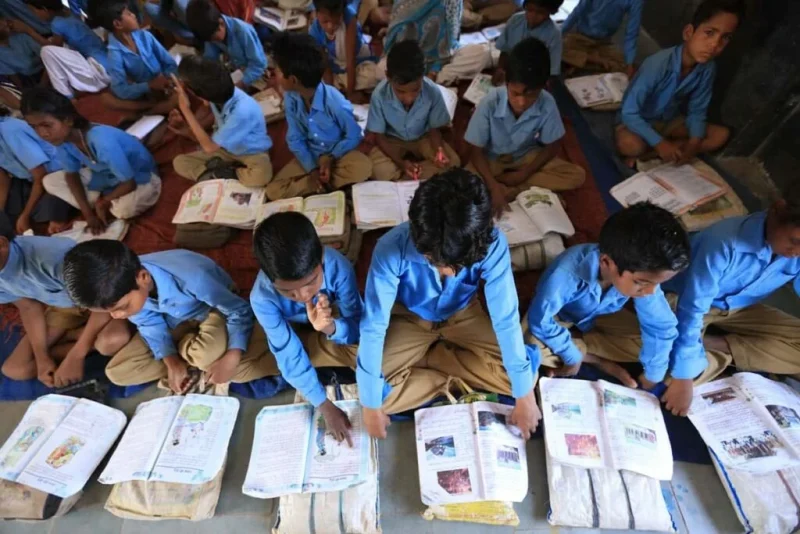
Education is not only about academic achievement. Children also need the skills to understand their emotions, build healthy relationships, make responsible decisions, and navigate challenges effectively. This is where social and emotional learning plays a crucial role. By helping children develop self-awareness, empathy, communication, and emotional regulation, social and emotional learning prepares them for success both inside and outside the classroom.
Organizations such as Cry America recognize that a child’s overall development goes beyond academics. Supporting emotional well-being and social growth is essential for helping children become confident, responsible, and resilient individuals.
What is Social and Emotional Learning?
Social and emotional learning (SEL) is the process through which children and young people acquire the knowledge, attitudes, and skills needed to understand and manage emotions, establish positive relationships, make responsible decisions, and achieve personal goals.
SEL helps children develop important life skills that contribute to their emotional health, social competence, and academic success. It encourages children to understand their feelings while respecting the perspectives and emotions of others.
Why Social and Emotional Learning is Important
Children encounter various social and emotional challenges as they grow. They may experience stress, peer pressure, conflicts, or academic difficulties. Social and emotional learning equips them with the tools needed to handle these situations constructively.
When children develop strong emotional and social skills, they are better prepared to:
- Build healthy relationships.
- Communicate effectively.
- Resolve conflicts peacefully.
- Manage stress and emotions.
- Make thoughtful decisions.
- Develop self-confidence and resilience.
These abilities support lifelong personal and professional success.
Core Components of Social and Emotional Learning
Self-Awareness
Self-awareness helps children recognize their emotions, strengths, weaknesses, and values. Understanding their feelings allows them to respond appropriately to different situations and develop a positive sense of identity.
Self-Management
This skill focuses on managing emotions, controlling impulses, and staying motivated. Children learn how to handle challenges, set goals, and remain focused even during difficult circumstances.
Social Awareness
Social awareness encourages empathy and understanding. Children learn to appreciate diverse perspectives, respect differences, and show compassion toward others.
Relationship Skills
Strong relationship skills enable children to communicate effectively, cooperate with peers, resolve conflicts, and maintain healthy friendships. These skills contribute to positive social interactions throughout life.
Responsible Decision-Making
Children learn to evaluate situations, consider consequences, and make ethical and constructive choices. This skill supports personal growth and responsible behavior.
Benefits of Social and Emotional Learning
Improved Academic Performance
Research has shown that children who develop social and emotional skills often perform better academically. They are more engaged in learning, have better concentration, and demonstrate improved classroom behavior.
Better Mental Health
SEL helps children understand and manage their emotions, reducing anxiety, stress, and behavioral issues. Emotional awareness contributes to stronger mental well-being and resilience.
Enhanced Communication Skills
Children who participate in social and emotional learning programs become better listeners and communicators. They learn how to express themselves clearly and respectfully.
Stronger Relationships
By developing empathy and cooperation, children build healthier relationships with family members, teachers, and peers. Positive relationships create supportive environments that foster growth and learning.
Increased Confidence
As children learn to understand and manage their emotions, they develop greater self-confidence and independence. This confidence helps them take on challenges and pursue their goals.
Role of Parents and Educators
Parents and educators play a significant role in promoting social and emotional learning. Children learn many emotional and social behaviors through observation and daily interactions.
Adults can support SEL by:
- Encouraging open communication.
- Teaching empathy and kindness.
- Helping children identify and express emotions.
- Modeling positive behavior.
- Creating safe and supportive environments.
Consistent guidance at home and school helps reinforce these important life skills.
How Cry America Supports Child Development
Cry America believes that every child deserves opportunities to grow academically, socially, and emotionally. Through initiatives focused on education, child rights, health, and community development, the organization helps create environments where children can thrive.
By supporting holistic child development, including emotional well-being and social growth, Cry America contributes to building stronger futures for vulnerable children and communities.
Conclusion
Social and emotional learning is a vital part of child development that extends far beyond the classroom. It helps children understand themselves, build meaningful relationships, make responsible decisions, and navigate life’s challenges with confidence.
As children develop these essential skills, they become more resilient, compassionate, and capable of contributing positively to society. By prioritizing social and emotional learning, parents, educators, communities, and organizations like Cry America can help children achieve their full potential and lead fulfilling lives.
FAQs
1. What is social and emotional learning?
Social and emotional learning is the process of developing skills such as self-awareness, emotional regulation, empathy, communication, and responsible decision-making.
2. Why is social and emotional learning important for children?
It helps children manage emotions, build healthy relationships, improve academic performance, and develop confidence and resilience.
3. What are the key components of social and emotional learning?
The main components include self-awareness, self-management, social awareness, relationship skills, and responsible decision-making.
4. How can parents support social and emotional learning?
Parents can encourage open communication, model positive behavior, teach empathy, and create supportive environments for children.
5. How does social and emotional learning benefit academic success?
Children with strong social and emotional skills often demonstrate better focus, classroom behavior, engagement, and overall academic performance.