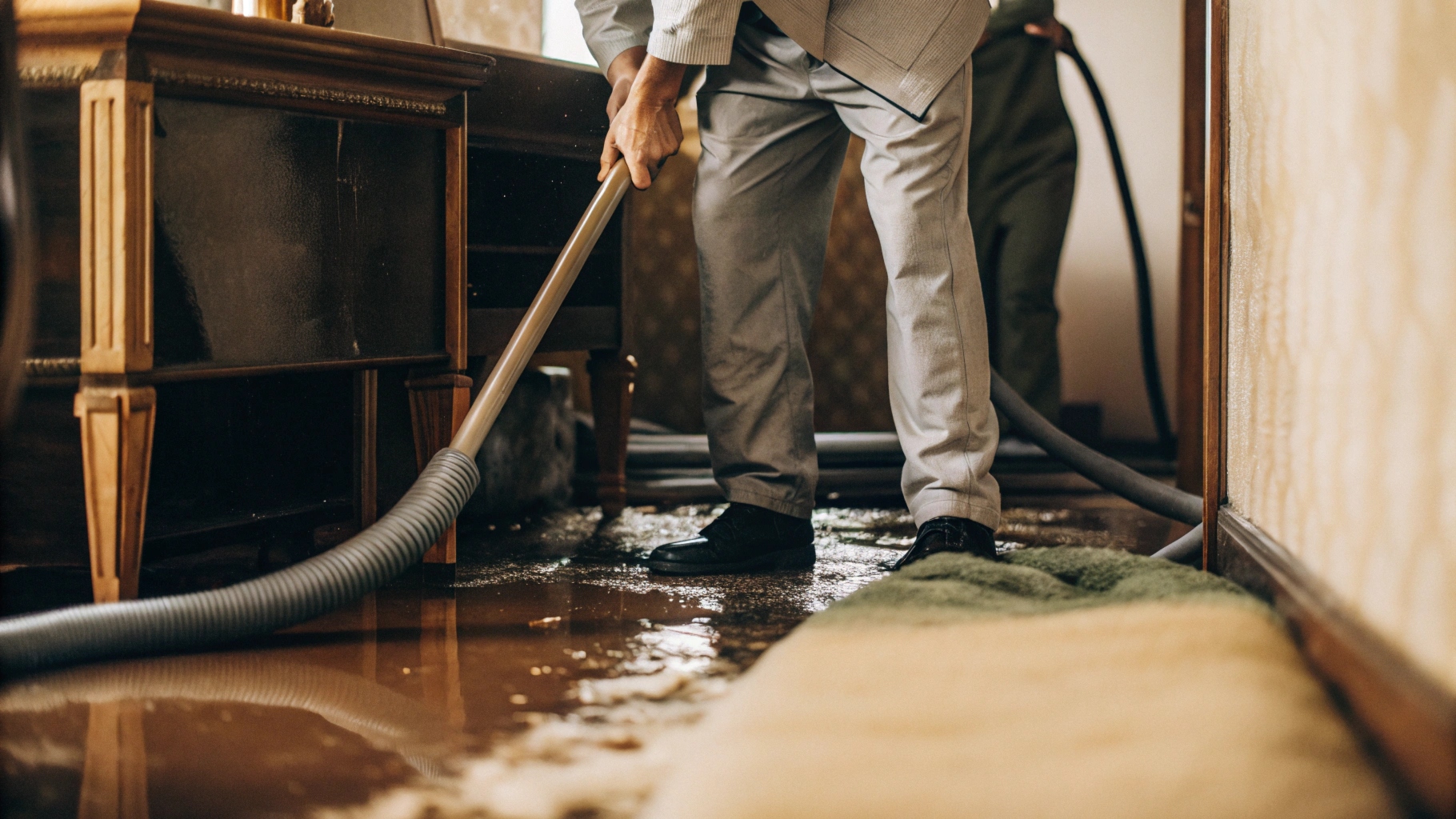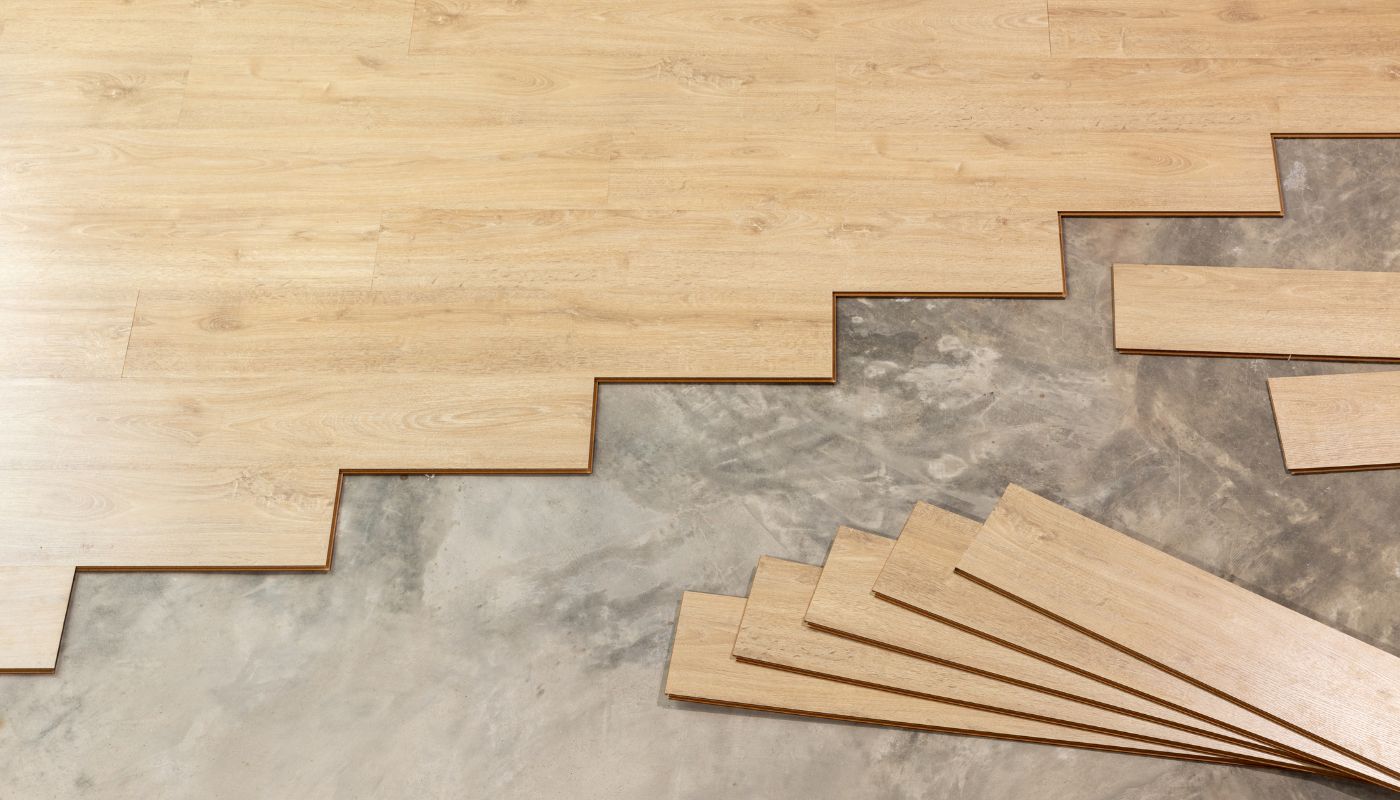
Winter in Portland, Maine brings postcard-worthy snowfalls, icy sidewalks, and months of freezing temperatures. While homeowners prepare for storms with snow blowers, ice melt, and heavy-duty boots, many overlook a costly seasonal problem happening inside the home. Salt, sand, moisture, and debris tracked indoors during winter can quietly damage hardwood flooring long before visible signs appear.
For homeowners investing in hardwood installation in Portland ME, understanding how winter conditions affect wood flooring is essential. Even top-rated hardwood products can suffer when exposed to repeated moisture, abrasive grit, and temperature fluctuations common throughout Maine winters. Without proper protection and maintenance, floors may lose their finish, develop scratches, warp, or experience premature wear.
D&T Hardwood Floors has worked with homeowners throughout the Portland area who discovered winter damage too late. In many cases, small preventative measures could have extended the life and beauty of their flooring for years.
Why Portland Winters Are Especially Tough on Hardwood Floors
Portland experiences long winters with frequent snow, slush, freezing rain, and road treatments designed to improve safety. Unfortunately, those same materials become problematic once they enter a home.
Salt and sand are among the biggest culprits. They cling to boots, pet paws, and clothing before settling onto hardwood surfaces. Combined with melting snow and indoor heating systems, they create the perfect environment for hardwood deterioration.
The Impact of Moisture and Humidity Changes
Hardwood naturally expands and contracts depending on moisture levels. During winter, indoor heating dries out the air significantly. At the same time, melted snow introduces bursts of moisture near entryways.
This cycle creates stress on wood flooring. Boards may shrink, gaps can form, and finishes may weaken over time. In severe cases, repeated exposure to water can cause cupping or warping.
Homeowners who invest in hardwood installation in Portland ME should understand that climate adaptation matters just as much as product selection.
Salt Residue Causes Chemical Damage
Road salt is highly corrosive. When salt crystals dissolve on hardwood surfaces, they can gradually break down protective finishes. Over time, dull spots and discoloration become visible.
Salt residue can also trap moisture against the floor, increasing the likelihood of long-term damage. This is particularly problematic in mudrooms, entryways, kitchens, and hallways where winter traffic is highest.
Sand Acts Like Sandpaper
Many homeowners assume sand is harmless because it helps improve traction outdoors. Indoors, however, it becomes an abrasive material that scratches wood finishes with every step.
Tiny particles grind into the floor surface under shoes and furniture movement. The result is a gradual loss of shine and increased visible wear patterns.
Even industry-leading floor finishes can struggle against constant abrasive friction throughout winter.
Common Winter Hardwood Floor Problems in Maine Homes
Winter damage often develops slowly. Many homeowners do not notice the issue until spring, when sunlight reveals scratches, fading, or uneven surfaces.
Surface Scratches and Finish Wear
Sand and debris create microscopic scratches that accumulate over time. High-traffic areas become noticeably dull compared to protected sections of the floor.
These scratches weaken the finish layer and expose raw wood to future moisture damage.
Cupping and Warping
When moisture penetrates hardwood unevenly, boards may begin to curve upward at the edges. This issue, known as cupping, is common in homes where wet boots repeatedly sit on flooring surfaces.
More severe moisture exposure can eventually cause warping or buckling.
Gaps Between Boards
Dry winter air reduces indoor humidity. As hardwood loses moisture, boards contract and create visible gaps.
While some seasonal movement is normal, excessive shrinkage may indicate poor humidity control or improper installation practices.
Staining and Discoloration
Salt deposits and trapped moisture can leave behind cloudy white stains or dark discoloration. In some cases, damage extends below the finish into the wood itself.
Prompt cleanup is critical because prolonged exposure increases restoration costs.
Real-World Example: A Portland Entryway Restoration
A Portland homeowner recently contacted D&T Hardwood Floors after noticing severe dullness near the front entrance following a harsh winter season. The homeowner had installed hardwood floors only three years earlier and was surprised by the rapid deterioration.
An inspection revealed extensive finish scratching caused by sand and salt accumulation. Moisture trapped beneath entry mats had also created early signs of cupping along several boards.
The restoration process involved sanding, refinishing, and improving moisture protection strategies around the entryway. D&T Hardwood Floors also recommended a user-friendly maintenance plan tailored to Maine winters.
The homeowner later reported significantly improved floor durability after implementing preventative measures such as boot trays, microfiber mats, and controlled indoor humidity.
How to Protect Hardwood Floors During Portland Winters
Preventative care is the most affordable and reliable way to preserve hardwood flooring through winter conditions.
Use High-Quality Entry Mats
Entry mats serve as the first line of defense against snow, salt, and sand. Placing mats both outside and inside entrances helps reduce debris before it reaches hardwood surfaces.
Choose absorbent mats with non-slip backings and clean them regularly to prevent buildup.
Create a Winter Shoe Policy
One of the best ways to minimize winter floor damage is by removing shoes indoors. Wet boots carry concentrated salt, moisture, and grit that can quickly wear down finishes.
Providing a designated shoe storage area near the entrance helps encourage the habit.
Clean Floors Frequently
Winter requires more frequent floor cleaning than other seasons.
Use a microfiber dust mop daily to remove abrasive particles before they scratch the finish. Damp cleaning should be done carefully using hardwood-safe products approved by well-experienced flooring professionals.
Avoid excessive water during cleaning because standing moisture can seep into seams.
Maintain Proper Indoor Humidity
Consistent humidity levels help reduce hardwood expansion and contraction.
Most hardwood manufacturers recommend maintaining indoor humidity between 35% and 55%. A reliable humidifier during winter can help stabilize conditions and prevent excessive board movement.
Protect High-Traffic Areas
Hallways, mudrooms, kitchens, and entrances benefit from additional protection during winter months.
Rugs and runners can reduce direct wear while preserving the appearance of hardwood surfaces underneath.
Choosing the Right Hardwood for Maine’s Climate
Not all hardwood flooring performs equally in cold-weather environments. Homeowners considering hardwood installation in Portland ME should work with trusted professionals familiar with regional climate challenges.
Engineered Hardwood vs. Solid Hardwood
Engineered hardwood often performs better in fluctuating humidity conditions because of its layered construction. It offers improved dimensional stability compared to traditional solid hardwood.
Solid hardwood remains a popular and timeless option, but proper acclimation and installation are critical for long-term performance in Maine homes.
Durable Finish Technologies
Modern finishes provide cutting-edge protection against scratches, moisture, and everyday wear. High-performance aluminum oxide finishes are particularly effective for busy households dealing with winter debris.
Top-rated finish systems can significantly extend the lifespan of hardwood flooring.
Species Selection Matters
Some wood species naturally resist dents and scratches better than others.
Oak, hickory, and maple are among the best options for homeowners seeking durable winter-ready flooring. Softer woods may show wear more quickly in high-traffic environments.
Why Professional Installation Makes a Difference
Improper installation increases the risk of winter-related floor problems.
Experienced installers understand how to acclimate wood properly, manage expansion gaps, and recommend moisture protection strategies tailored to local conditions.
D&T Hardwood Floors provides results-driven hardwood installation services designed specifically for Portland’s demanding climate. Their team understands how Maine weather impacts flooring performance throughout the year.
Professional installation also helps homeowners avoid hidden issues such as uneven subfloors, improper moisture barriers, and inadequate ventilation.
Seasonal Maintenance Tips for Long-Term Floor Performance
Maintaining hardwood floors in Portland requires year-round attention, especially during winter transitions.
Before Winter Begins
- Inspect entryways for existing finish wear
- Reapply protective coatings if necessary
- Install durable winter mats
- Check indoor humidity systems
During Winter
- Wipe up moisture immediately
- Vacuum or dust mop regularly
- Avoid harsh chemical cleaners
- Monitor humidity levels consistently
After Winter Ends
- Deep clean floors thoroughly
- Inspect for scratches or finish damage
- Schedule refinishing if needed
- Remove trapped salt residue from corners and seams
A scalable maintenance routine can dramatically reduce repair costs and preserve floor value over time.
The Long-Term Cost of Ignoring Winter Floor Damage
Small winter issues can evolve into major repairs if neglected.
Minor scratches may eventually require refinishing. Moisture damage can lead to board replacement or complete floor restoration. In severe cases, prolonged exposure may impact subfloor integrity.
Proactive maintenance is significantly more cost-effective than large-scale repairs.
Homeowners investing in hardwood installation in Portland ME should view winter floor protection as part of the long-term ownership strategy rather than a seasonal afterthought.
Conclusion
Winter in Portland creates unique challenges for hardwood flooring. Salt, sand, moisture, and humidity fluctuations can silently damage even the most reliable wood floors over time. However, homeowners who understand these risks can take proven steps to protect their investment.
From daily maintenance habits to professional installation practices, every layer of prevention contributes to longer-lasting floor performance. Choosing durable materials, maintaining indoor humidity, and working with trusted professionals like D&T Hardwood Floors can help homeowners preserve the beauty and value of their hardwood flooring for years to come.
For Maine homeowners, winter protection is not simply about cleanliness. It is about safeguarding one of the most valuable and visually important features of the home.