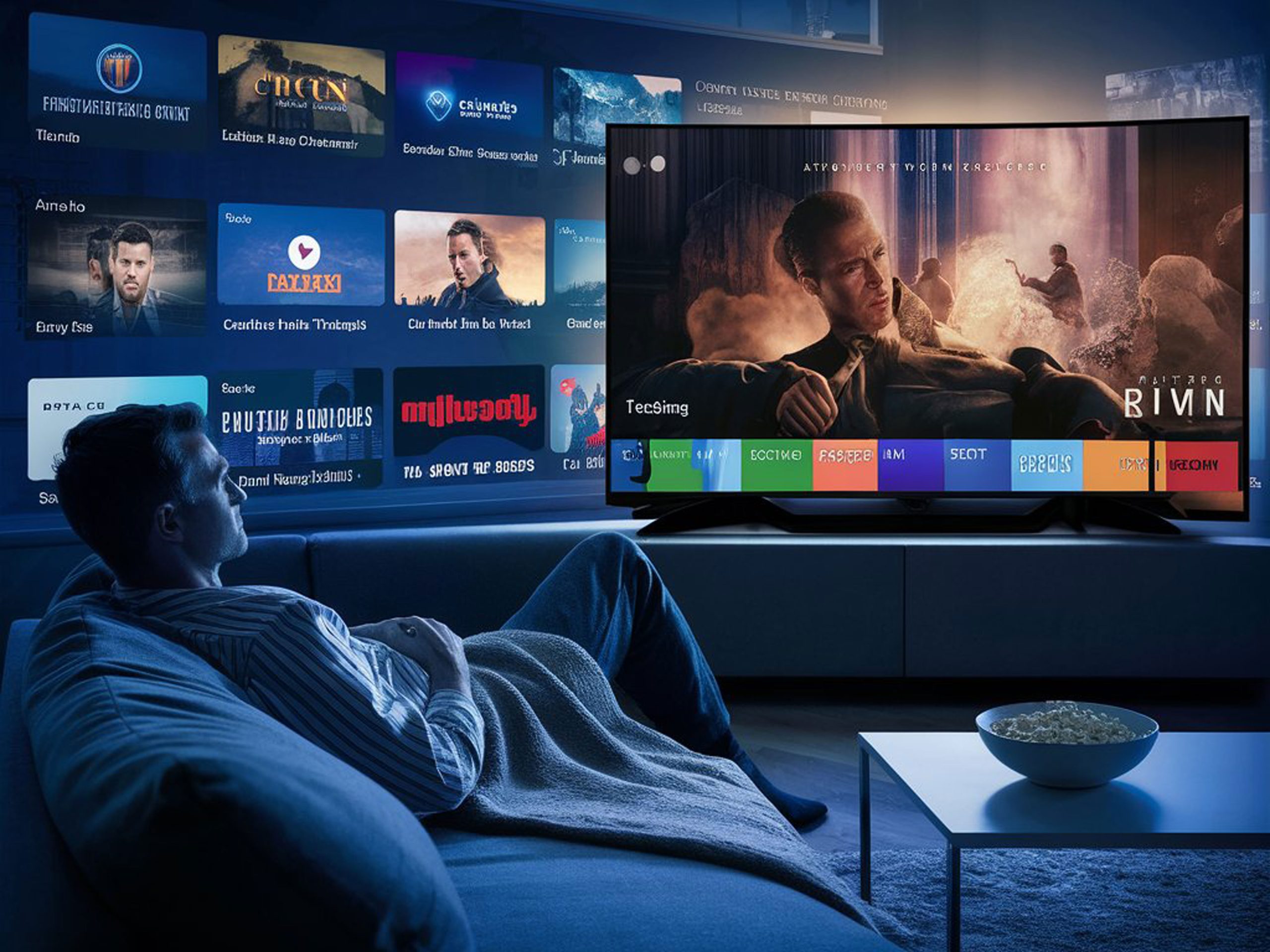
The entertainment industry has changed dramatically in recent years. More households are moving away from traditional cable subscriptions and choosing internet based television services that offer greater flexibility and convenience. Online TV has become an attractive option for viewers who want more control over how they watch movies, sports, live channels, and on demand content.
For entrepreneurs, startups, and business professionals, this shift represents a larger digital transformation where consumers increasingly prefer services that are customizable, affordable, and accessible across multiple devices. However, before replacing cable completely, there are several important factors viewers should understand to ensure a smooth transition.
Internet Quality Matters More Than Ever
Unlike cable television, online TV depends entirely on internet performance. A stable and fast connection is essential for maintaining a smooth streaming experience.
Poor internet quality can cause:
- Buffering interruptions
- Reduced video resolution
- Delayed live broadcasts
- Frequent playback issues
Households with multiple users streaming at the same time may require higher bandwidth to support consistent performance across devices.
For remote workers and professionals, strong internet infrastructure is now important for both productivity and entertainment.
Compare Content Availability Carefully
Not all streaming services provide the same content libraries or live channel options. Some focus mainly on movies and television series, while others specialize in sports, international programming, or live TV access.
Services like Netflix and YouTube helped redefine entertainment habits, but many users now seek broader viewing experiences that include both live and on demand content.
Before switching from cable, it is important to review:
- Channel availability
- Sports coverage
- International programming
- On demand libraries
Choosing the right platform depends heavily on individual viewing preferences.
Device Compatibility Is Important
Modern streaming services are designed for flexibility, but compatibility still varies depending on the platform.
A quality streaming setup should support:
- Smart TVs
- Smartphones and tablets
- Laptops and desktop browsers
- Streaming devices such as Roku or Fire TV
This multi device accessibility allows users to continue watching content from different locations without being limited to one television.
Many households now look for a reliable viewing solution that offers smooth streaming across multiple devices while fitting modern digital lifestyles.
Streaming Costs Can Still Add Up
One of the biggest reasons people leave cable television is to save money. Streaming services often provide more flexible subscription models without long term contracts or equipment rental fees.
However, costs can still increase if viewers subscribe to multiple platforms at the same time.
Before switching, consider:
- Monthly subscription costs
- Additional premium channel fees
- Multi user plan pricing
- Internet upgrade expenses
Managing subscriptions strategically helps maintain the financial advantages of online television.
For business minded consumers, this reflects the importance of evaluating long term value rather than focusing only on initial pricing.
On Demand Viewing Changes Entertainment Habits
Online television gives viewers more freedom by removing the need to follow fixed broadcast schedules.
Users can instantly access:
- Movies and television series
- Live channels and broadcasts
- Sports highlights and replays
- Personalized watchlists
This convenience has become one of the strongest advantages of streaming services.
For entrepreneurs and digital businesses, this trend demonstrates how customer centered flexibility drives modern consumer behavior.
Streaming Quality Has Improved Significantly
Streaming technology has evolved rapidly over the past few years. Modern platforms now provide:
- HD and 4K streaming support
- Faster loading speeds
- Adaptive playback based on internet quality
- Reduced buffering and interruptions
These improvements have made online TV more competitive with traditional cable broadcasting.
As internet infrastructure continues improving globally, streaming services are expected to become even more reliable and accessible.
User Experience and Navigation Matter
A streaming platform should be easy to navigate and enjoyable to use. Modern viewers expect:
- Simple menu structures
- Personalized recommendations
- Fast search functionality
- Organized watchlists and profiles
A user friendly interface improves engagement while reducing frustration during daily use.
Businesses across many industries prioritize intuitive design because convenience directly impacts customer satisfaction and loyalty.
Customer Support and Reliability Are Important
Reliable customer support becomes essential whenever technical issues occur. A strong streaming provider should offer:
- Responsive support channels
- Regular software updates
- Troubleshooting resources
- Stable service performance
Long term reliability helps build trust and improves overall user experience.
Final Thoughts
Switching from cable to online TV offers many benefits, including greater flexibility, personalized entertainment, and improved control over viewing costs. However, making the right transition requires careful consideration of internet quality, content availability, subscription pricing, and device compatibility.
For startups, entrepreneurs, and business professionals, the rise of online television reflects how digital innovation continues to reshape industries by focusing on convenience and customer needs.
As streaming technology advances, more households will continue choosing internet based entertainment as their preferred way to watch television.