Open and Airy Designs
One of the most noticeable modern trends is openness. Heavy, enclosed staircases are being replaced with lighter, more transparent designs.
This often includes:
-
Open risers instead of closed ones
-
Slim metal balusters or cable railing
-
Glass panel guardrails
-
Floating tread designs
The goal isn’t just visual appeal. Open staircases allow light to travel through the space, which can make entryways and hallways feel larger and brighter.
A personal observation
A common mistake I see is homeowners choosing ultra-minimal stair designs without considering practicality. Open risers look striking, but in homes with small children or pets, they can present safety challenges. Modern design should still support real life.
Mixing Materials for Depth and Character
Modern staircase design often incorporates mixed materials to create contrast and texture.
Popular combinations include:
-
Wood treads with metal railings
-
Glass panels with natural oak
-
Steel stringers paired with warm-toned hardwood
-
Painted risers with stained treads
This blending of materials prevents the staircase from feeling flat or overly industrial. The key is limiting the palette. Two or three well-coordinated materials usually create a stronger impression than too many competing finishes.
In one renovation I observed, a simple switch from traditional white balusters to slim black metal spindles transformed the entire foyer. The staircase suddenly felt current without changing its structure.
Floating Staircases: Statement With Care
Floating or cantilevered staircases are increasingly popular in modern homes. They create a dramatic effect, with treads appearing to extend from the wall unsupported.
While visually impressive, floating stairs require careful engineering and structural planning. They’re best suited for homes designed around contemporary architecture.
Insider tip: even with floating stairs, incorporate subtle support systems that don’t disrupt the design but improve stability. Clean lines should never compromise safety.
Cable and Glass Railings
Traditional wooden balusters are giving way to sleeker railing systems. Cable railings and glass panels are especially popular in open-concept homes.
Why homeowners choose them:
-
They preserve sightlines
-
They allow more natural light
-
They complement modern aesthetics
Glass railings, in particular, work well in homes where the staircase sits near large windows. They reduce visual barriers and make the space feel expansive.
However, they do require more frequent cleaning. Fingerprints and smudges show easily, especially in high-traffic areas.
Integrated Lighting for Subtle Impact
Stair lighting has evolved significantly. Rather than relying solely on overhead fixtures, modern designs incorporate lighting directly into the staircase.
Common approaches include:
-
LED strips under treads
-
Recessed wall lights along the stair run
-
Illuminated handrails
Integrated lighting improves safety while adding ambiance. It’s particularly effective in homes where stairs connect open living areas.
Insider tip: choose warm light tones for stair lighting to avoid a harsh, commercial feel. The glow should guide, not glare.
Bold Color and Finish Choices
While neutral palettes dominate many interiors, staircases provide an opportunity for controlled contrast.
Some homeowners opt for:
-
Black-painted stair stringers
-
Contrasting handrails
-
Two-tone treads and risers
-
Matte finishes for a softer look
In traditional homes transitioning toward modern style, painting the balusters and handrail while keeping wood treads natural can create a balanced update.
The goal is to enhance the staircase without overpowering adjacent spaces.
Storage Built Into Staircases
Modern staircase design isn’t just about looks. Function plays a growing role.
Under-stair space is often underutilized. Creative solutions include:
-
Built-in shelving
-
Hidden drawers within risers
-
Compact workstations
-
Enclosed storage closets
I’ve seen small homes gain surprising functionality by turning the space beneath stairs into organized storage. It’s one of those upgrades that feels custom and practical at the same time.
Coordinating Staircases With Flooring
The staircase should feel connected to the rest of the home, particularly the flooring. Inconsistent materials can make transitions feel abrupt.
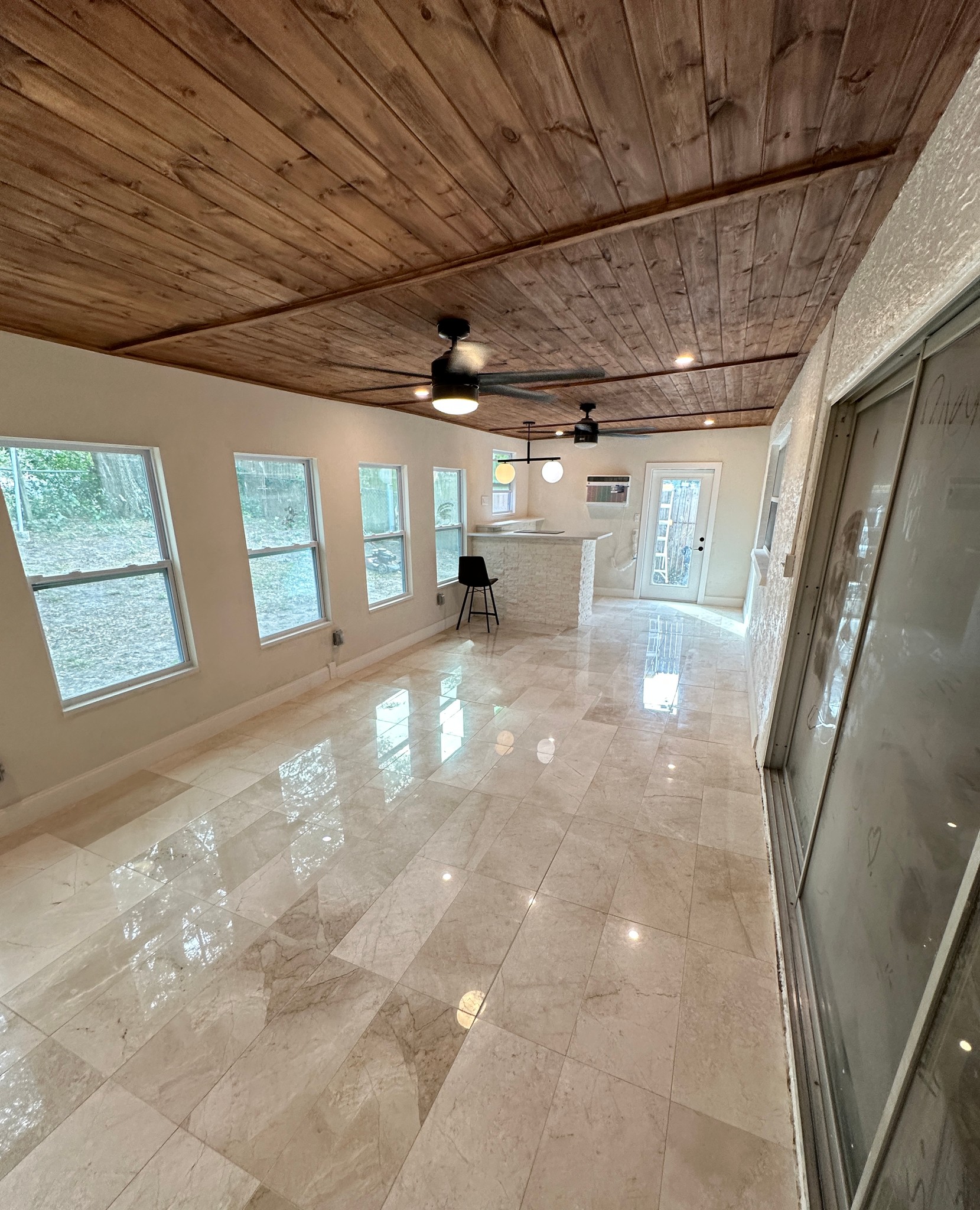
Matching or complementing flooring tones on stair treads helps maintain flow. For homes upgrading their floors as part of a renovation, it’s important to think about how the staircase will tie into that decision. This is often highlighted in broader renovation planning discussions, including resources like this guide on waterproof flooring plant city, where cohesive design across surfaces plays a significant role.
Consistency in finish doesn’t mean everything must match exactly. Subtle variation can add depth while maintaining harmony.
Slimmer Profiles and Minimal Hardware
Modern staircases lean toward clean lines and reduced ornamentation. Bulky newel posts and heavily carved details are often replaced with streamlined alternatives.
Common updates include:
-
Square or rectangular handrails
-
Low-profile newel posts
-
Concealed fasteners
-
Matte metal finishes
These elements create a refined appearance without feeling sterile.
Safety Without Sacrificing Style
While aesthetics matter, safety should never be compromised. Modern staircase trends can still meet practical needs.
Important considerations include:
-
Proper tread depth and consistent riser height
-
Secure railing attachment
-
Non-slip tread finishes
-
Adequate lighting at landings
In renovations, updating old staircases to meet current building codes often requires subtle structural adjustments. Done carefully, these improvements blend seamlessly into the design.
Staircases as Architectural Anchors
In many modern homes, the staircase serves as a visual anchor. It connects not only levels but also design themes throughout the house.
When thoughtfully designed, the staircase can:
-
Reflect the home’s overall aesthetic
-
Frame entryways
-
Guide movement naturally
-
Enhance natural light flow
The best staircase designs feel integrated rather than added on.
A Thoughtful Wrap-Up
Modern staircase design trends emphasize openness, material contrast, integrated lighting, and clean lines. Yet the most successful staircases aren’t defined solely by trend. They’re defined by balance—between style and safety, boldness and restraint, form and function.
Also read for more information so click here.