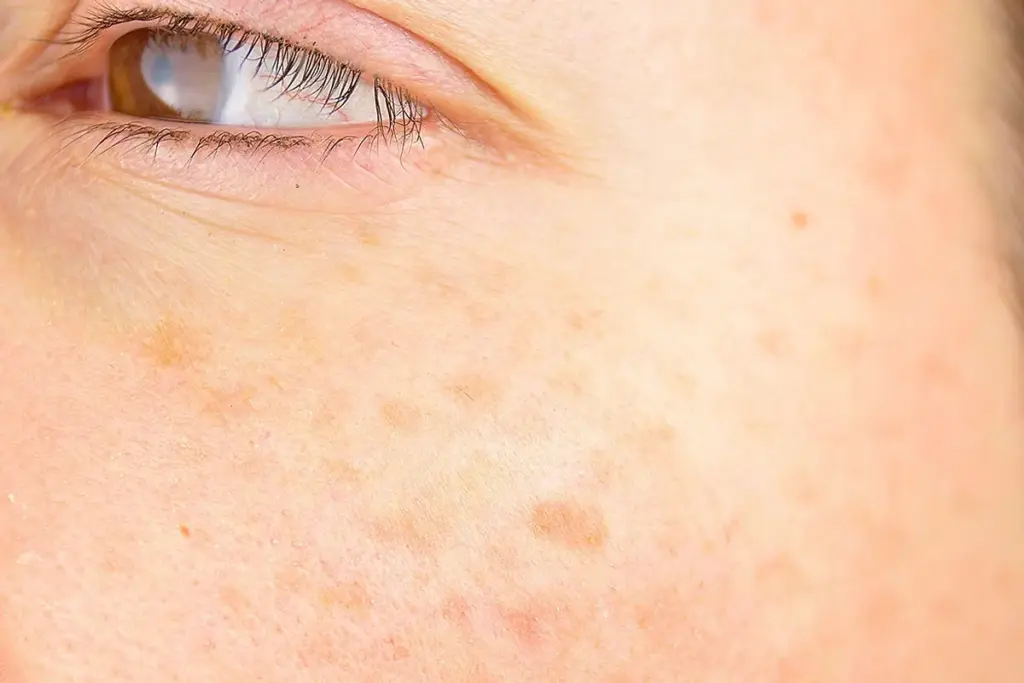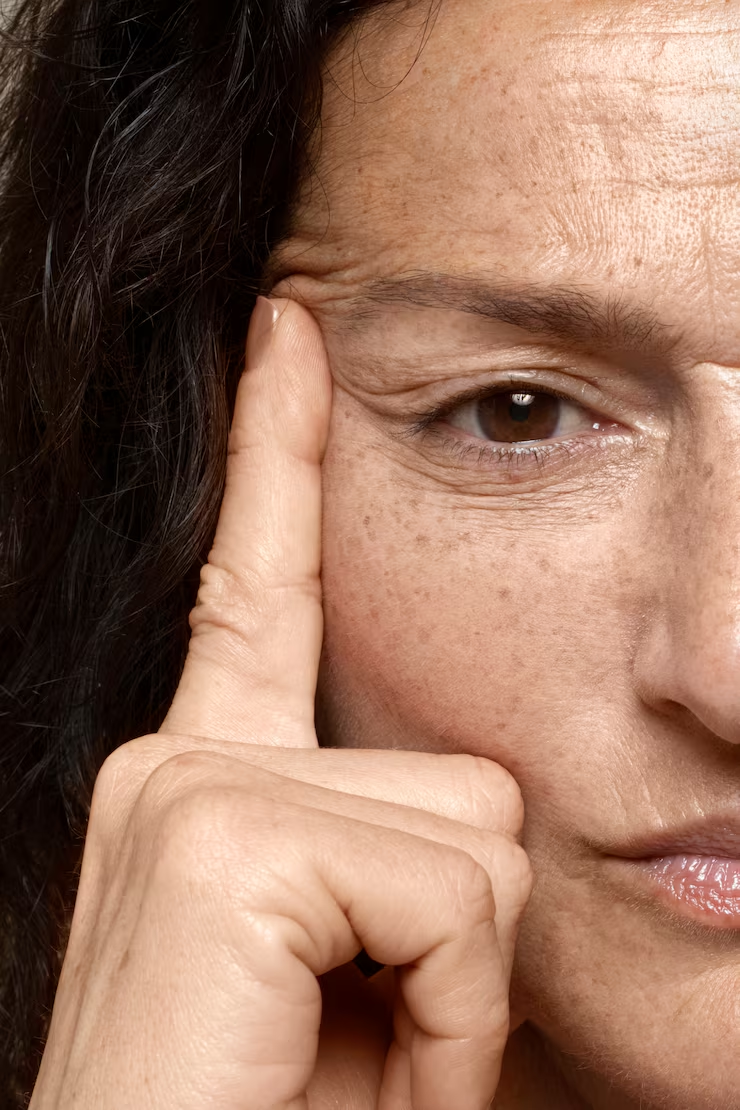
Skin changes are a natural part of aging. However, some changes can appear earlier or become more noticeable due to environmental exposure. One of the most common pigmentation concerns seen in dermatology clinics is age spots. These dark patches often develop gradually and may affect confidence, especially when they appear on visible areas such as the face or hands.
At drmcheema, patients frequently seek professional guidance for pigmentation concerns. Understanding why these spots appear, how they develop, and what treatment options are available can help individuals make informed decisions about their skin health.
This detailed guide explains everything you need to know about age spots, including causes, risk factors, medical evaluation, and modern treatment solutions.
What Are age spots?
Age spots are flat, dark patches that develop on the skin due to excess melanin production. Melanin is the pigment responsible for skin color. When certain areas of the skin produce more melanin than usual, darker patches form.
These spots are most commonly found on areas frequently exposed to sunlight, such as:
-
Face
-
Hands
-
Shoulders
-
Upper back
-
Neck
-
Arms
They are usually brown, black, or Gray in colour. Unlike moles, they are flat and painless. They can vary in size and may appear as single spots or in clusters.
Although they are generally harmless, many individuals choose to treat them for cosmetic reasons.
Why Do Age Spots Develop?
The primary cause of pigmentation patches is long-term exposure to ultraviolet (UV) radiation. However, several factors contribute to their formation.
1. Sun Exposure
UV rays from the sun stimulate melanin production. Over time, repeated exposure leads to uneven pigment accumulation in certain areas.
2. Aging Process
As skin ages, its ability to regulate pigment becomes less stable. This increases the likelihood of uneven pigmentation.
3. Tanning Beds
Artificial UV light used in tanning beds can also trigger pigment formation.
4. Lack of Sunscreen
Failure to apply sunscreen consistently allows UV damage to accumulate.
5. Environmental Factors
Pollution and oxidative stress may contribute to skin damage, which can worsen pigmentation over time.
Who Is at Higher Risk?
Although pigmentation is more common after the age of 40, younger individuals can also develop it. Risk factors include:
-
Fair or light skin tone
-
Outdoor occupations
-
Living in sunny climates
-
Frequent sun exposure without protection
-
History of tanning
Understanding these risk factors helps in prevention and early management.
How Are Age Spots Diagnosed?
A proper diagnosis begins with a professional dermatological evaluation. At Dr. MC Cheema’s clinic, the dermatologist assesses:
-
Size
-
Color
-
Border definition
-
Texture
-
Growth pattern
If a spot has unusual features, additional tests such as dermoscopy or biopsy may be recommended to rule out other conditions.
Accurate diagnosis ensures that the pigmentation is benign and not a sign of a more serious issue.
Differences Between Age Spots and Other Pigmentation Conditions
It is important not to confuse pigmentation patches with other skin conditions.
| Condition | Appearance | Cause | Risk Level |
|---|---|---|---|
| Age Spots | Flat brown patches | UV exposure | Harmless |
| Freckles | Small light brown dots | Genetic + sun | Harmless |
| Melasma | Large dark patches | Hormonal changes | Cosmetic concern |
| Moles | Raised or flat growth | Skin cell cluster | Monitor changes |
Professional examination helps identify the correct condition.
Are Age Spots Dangerous?
In most cases, these pigmentation patches are not harmful. However, it is important to monitor any changes. Seek medical advice if a spot:
-
Changes color rapidly
-
Develops irregular borders
-
Becomes raised
-
Bleeds
-
Causes discomfort
Early medical consultation ensures safety.
Treatment Options for Age Spots
Modern dermatology provides several safe and effective treatments. The choice depends on skin type, pigmentation depth, and overall skin health.
1. Laser Therapy
Laser treatment is one of the most effective solutions. It works by targeting melanin in the skin. The laser energy breaks down pigment particles, which are then naturally removed by the body.
Benefits include:
-
Precise targeting
-
Minimal damage to surrounding tissue
-
Quick sessions
-
Gradual fading
Multiple sessions may be required for optimal results.
2. Chemical Peels
Chemical peels involve applying a solution to remove the outer layer of skin. This promotes new skin growth and reduces pigmentation.
Suitable for:
-
Mild to moderate pigmentation
-
Improving overall skin texture
Recovery time varies depending on peel strength.
3. Microdermabrasion
This procedure gently exfoliates the skin surface to improve tone and clarity. It is more effective for light pigmentation and maintenance treatments.
4. Cryotherapy
Cryotherapy uses liquid nitrogen to freeze pigmented cells. Over time, the treated area fades.
Best for:
-
Small, isolated spots
Temporary redness may occur after treatment.
5. Prescription Topical Treatments
Dermatologists may prescribe creams containing ingredients that reduce melanin production. These treatments require consistent use over several weeks.
Treatment Comparison Overview
| Treatment | Suitable For | Downtime | Sessions Needed |
|---|---|---|---|
| Laser Therapy | Deep pigmentation | Minimal | 2–4 |
| Chemical Peel | Surface spots | 3–7 days | 1–3 |
| Microdermabrasion | Mild spots | None | Multiple |
| Cryotherapy | Isolated spots | Mild redness | 1–2 |
| Prescription Cream | Early pigmentation | None | Ongoing |
Treatment plans are personalized after clinical evaluation.
Preventing Age Spots
Prevention plays a major role in long-term skin health.
Daily Sunscreen Application
Use broad-spectrum sunscreen with SPF 30 or higher. Reapply every two hours when outdoors.
Protective Clothing
Wear hats, sunglasses, and long sleeves when exposed to sunlight.
Avoid Peak UV Hours
Limit exposure between 10 a.m. and 4 p.m.
Maintain Skincare Routine
Use dermatologist-recommended products that support skin barrier protection.
Healthy Lifestyle
Balanced diet, hydration, and proper sleep contribute to overall skin health.
Post-Treatment Care
After undergoing treatment, follow aftercare instructions carefully.
Patients are advised to:
-
Avoid direct sun exposure
-
Use sunscreen daily
-
Avoid harsh skincare products
-
Attend follow-up appointments
These steps help maintain results and prevent recurrence.
Psychological and Emotional Impact
Although harmless, visible pigmentation can affect confidence. Many individuals feel self-conscious about uneven skin tone. Addressing these concerns through professional care can improve both skin clarity and self-esteem.
Importance of Early Consultation
Early evaluation allows:
-
Proper diagnosis
-
Timely treatment
-
Prevention of worsening pigmentation
-
Better cosmetic outcomes
Delaying treatment may allow spots to darken further.
Why Choose Dr. MC Cheema?
At https://drmcheema.com/, patients receive:
-
Professional dermatological assessment
-
Modern laser technology
-
Customized treatment plans
-
Safe clinical environment
-
Detailed consultation and guidance
Each patient’s skin is unique, and treatment is planned accordingly.
Long-Term Skin Maintenance
Skin health requires ongoing care. Maintenance may include:
-
Periodic dermatologist visits
-
Medical-grade skincare
-
Sun protection
-
Occasional maintenance procedures
Consistency ensures long-term results.
As we age, the skin’s natural renewal process slows down, making it harder for damaged cells to shed and fresh cells to surface. Years of sun exposure, environmental pollution, and lifestyle habits such as smoking can all contribute to the formation of age spots. These flat, brown, gray, or black patches most commonly appear on areas frequently exposed to the sun, including the face, hands, shoulders, chest, and arms. Although they are generally harmless, many people find them cosmetically concerning because they can make the skin look older and uneven. A proper clinical assessment is important to confirm that these marks are benign and not signs of more serious skin conditions.
Professional treatment options for age spots have advanced significantly in recent years. Dermatologists may recommend chemical peels, laser therapy, microdermabrasion, or prescription topical treatments depending on the size, depth, and number of spots present. Each approach works differently—some target excess melanin directly, while others accelerate cell turnover to gradually fade pigmentation. Consistent sun protection after treatment is essential to prevent recurrence and maintain results. Consulting a qualified skin specialist ensures that the chosen method is safe, effective, and tailored to the individual’s skin type and medical history.
Conclusion
Skin pigmentation caused by long-term sun exposure is common and manageable. While age spots are generally harmless, they can affect appearance and confidence. Understanding their causes, risk factors, and available treatment options empowers individuals to take control of their skin health. With professional evaluation and advanced dermatological care at Dr. MC Cheema’s clinic, patients can achieve clearer, more even-toned skin. Prevention, early detection, and consistent care remain the foundation of healthy skin.
Frequently Asked Questions
Can age spots fade without treatment?
They rarely disappear completely without professional treatment.
Is laser therapy safe?
Yes, when performed by a qualified dermatologist.
How long does treatment take?
It depends on the method used and the depth of pigmentation.
Can new spots form after treatment?
Yes, especially without proper sun protection.
Is sunscreen necessary even on cloudy days?
Yes, UV rays can penetrate clouds and cause skin damage.