Choosing the right recovery center in Montana involves reviewing several factors that influence addiction treatment. Accreditation, staff qualifications, and the treatment environment can help individuals understand what each facility offers. Comparing these details also makes it easier to find care that matches personal needs. A closer look at professional credentials, available services, and daily living conditions can support an informed decision.
Check Accreditation and Licensing
Accreditation and licensing provide useful information about a facility’s professional standards. Consider these factors when reviewing credentials:

- State Licensing: Confirm that the facility holds the Montana licenses required for its treatment services.
- Accreditation: Look for recognition from organizations such as The Joint Commission or CARF.
- State Approval: Check whether the program appears on Montana’s state-approved substance use disorder provider list.
Licensing, state approval, and independent accreditation serve different purposes. Reviewing each applicable credential helps assess a center’s qualifications.
Review Staff Qualifications and Experience
Qualified professionals help patients receive care suited to their recovery needs. Look for licensed addiction counselors, mental health specialists, and medical professionals whose training matches the services offered. Experienced staff can assess individual needs, recommend appropriate therapies, and monitor treatment progress.
Ask about professional licenses, clinical supervision, and staff availability. Facilities offering withdrawal management should have personnel qualified to provide the appropriate level of care. Understanding each professional’s responsibilities can help individuals evaluate the experience and availability of the treatment team.
Consider the Treatment Setting and Environment
A comfortable treatment environment can support participation in recovery activities. During a facility visit, consider these important features:

- Location and Accessibility: Review travel distances, transportation options, and opportunities for family visits.
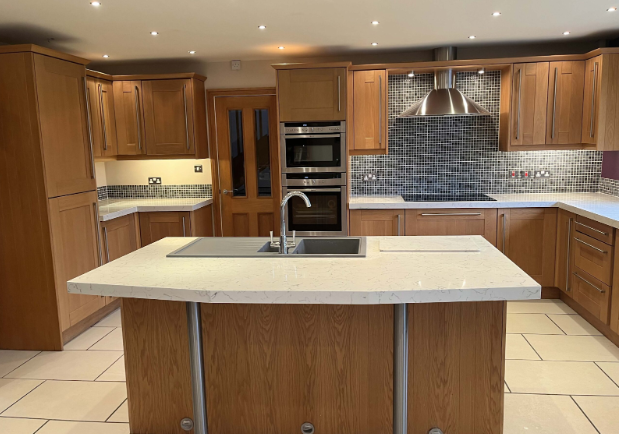
- Living Conditions: Examine cleanliness, privacy, sleeping arrangements, and shared spaces.
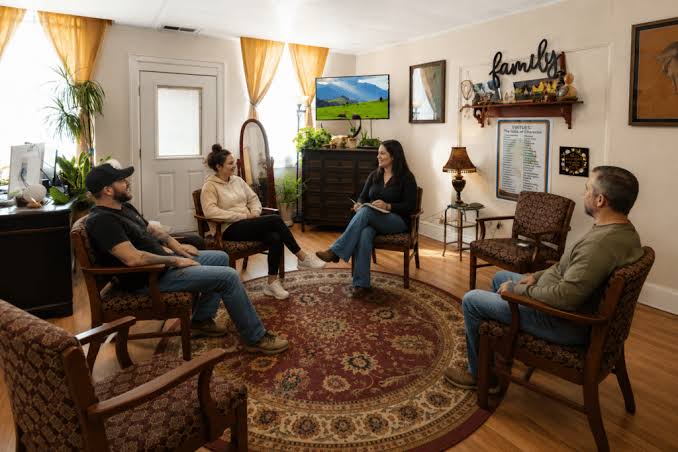
- Daily Activities: Ask about recreational programs, group sessions, and spaces for relaxation.
Montana’s rural communities can make travel arrangements particularly important. Choose a setting that supports personal comfort and practical needs.
Compare Treatment Programs and Support Services
Treatment options vary according to individual health needs and the level of care required. Ask about residential treatment, outpatient counseling, behavioral therapies, and medically supervised withdrawal management. A clinical assessment can help determine which services best match a person’s circumstances.
Explore mental health counseling, family involvement, medication options, and continuing care planning. Ask how professionals develop treatment plans and review patient progress. These details help individuals understand how a facility supports recovery during treatment and after completing a program.
Ask Questions Before Choosing a Center
Speaking with the admissions team can clarify important details. Consider asking:
- Treatment Approach: Which therapies and services are available?
- Staff Availability: Who provides counseling and medical support?
- Costs and Insurance: Which insurance plans are accepted, and what expenses apply?
Comparing these answers helps identify suitable facilities.
Conclusion
Evaluating a recovery center in Montana requires attention to professional credentials, staff experience, treatment services, and the surrounding environment. Each factor provides useful insight into the care a facility offers. Visiting the center, reviewing its qualifications, and discussing individual needs with professionals can make the selection process easier. Careful comparison helps individuals choose a treatment setting that supports their recovery goals and personal circumstances.