Nobody searches for termite control in Sacramento on a good day. You’re usually reading this because something just happened: a pile of tiny pellets on the windowsill, a pest report that came back with bad news, or a quote that made your stomach drop.
So instead of a generic overview, here are the nine situations we hear about most, with a straight answer for each.

Problem 1: “I found tiny wings on my windowsill”
What it usually means: A swarm. Winged termites (swarmers) leave a mature colony to start a new one, and they shed their wings once they land.
What to do:
- Collect a few wings or insects in a sealed bag or jar. It helps with identification.
- Take photos of where you found them.
- Don’t spray. Swarmers die quickly on their own, and spraying them tells you nothing about the colony.
Wings inside your home suggest the colony may be inside too. Get a termite inspection in Sacramento soon, since one swarm sighting often means a bigger issue.
 Problem 2: “My home inspection came back with termite findings during escrow”
This is one of the most stressful ones. In California, a structural pest control report usually separates findings into two groups:
- Section 1: active infestation or damage already present
- Section 2: conditions that could lead to termites later, like wood-to-soil contact or moisture issues
What to do:
- Ask for the full written report, not a summary.
- Get a second opinion if the scope or price looks off.
- Ask what’s covered by treatment and what needs a separate carpenter or contractor.
The termite treatment itself is often the simple part. The repair work is where cost and timelines can grow, so get both estimates early.
Problem 3: “I hear clicking or see small holes, but I can’t see any termites”
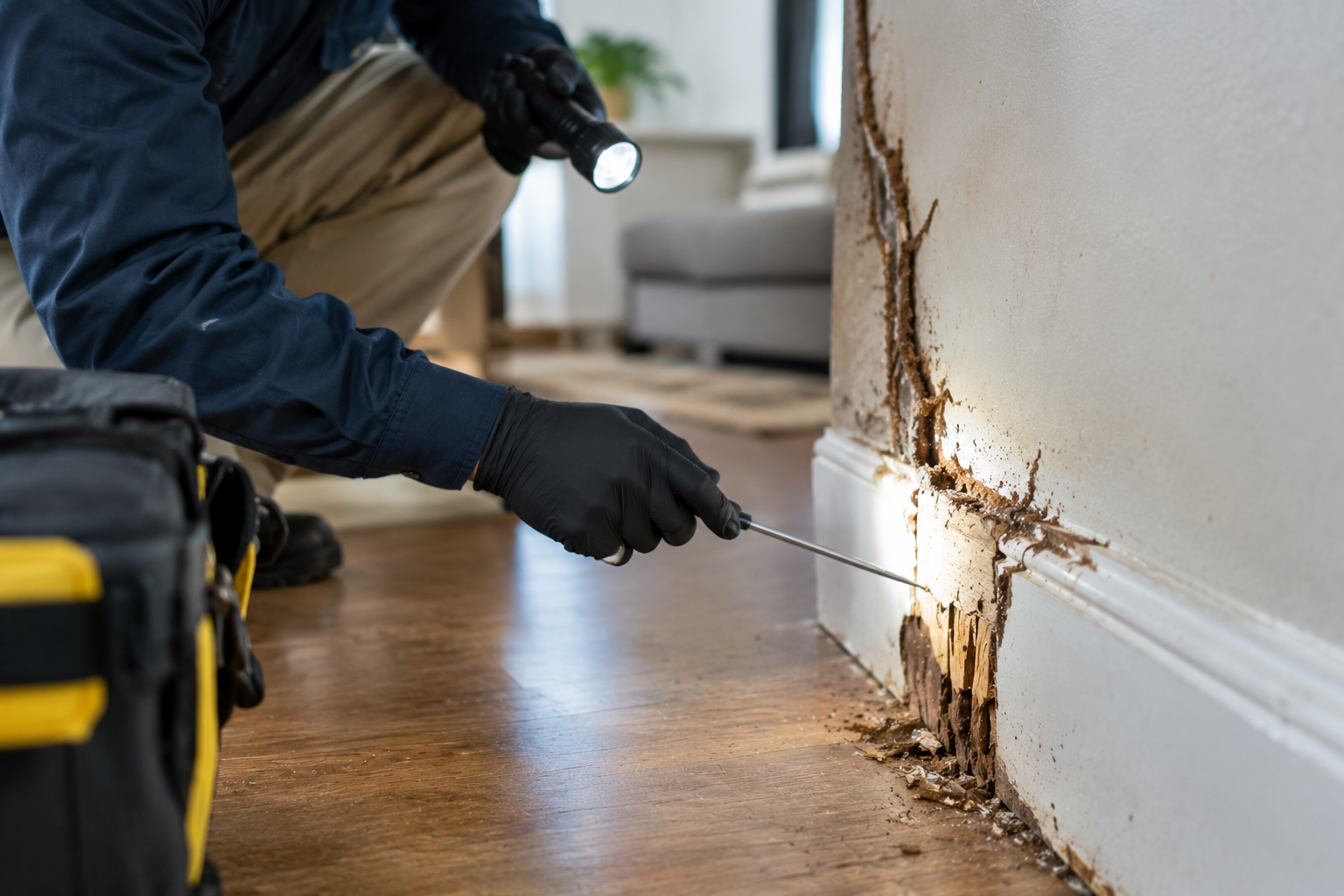
Termites rarely show themselves. Tiny round holes in wood, blistered paint, and soft or papery-sounding framing are better evidence than live insects.
What to do: Tap suspect areas with the handle of a screwdriver. Hollow or crumbling wood is a red flag. Photograph it and book an inspection. A professional can probe the wood and check areas you can’t reach, such as attic framing and subfloor.
Problem 4: “I got a fumigation quote and I’m not sure I need it”
Tenting is the right call for widespread drywood termite activity. It’s not always necessary.
What to ask:
- Which species did you find, and where?
- Is the activity confined to one area, or spread across multiple parts of the home?
- Would a localized treatment solve this, and why or why not?
- What does the warranty cover?
If a company can’t show you where the termites are, get a second opinion. A good provider explains the evidence in plain language.
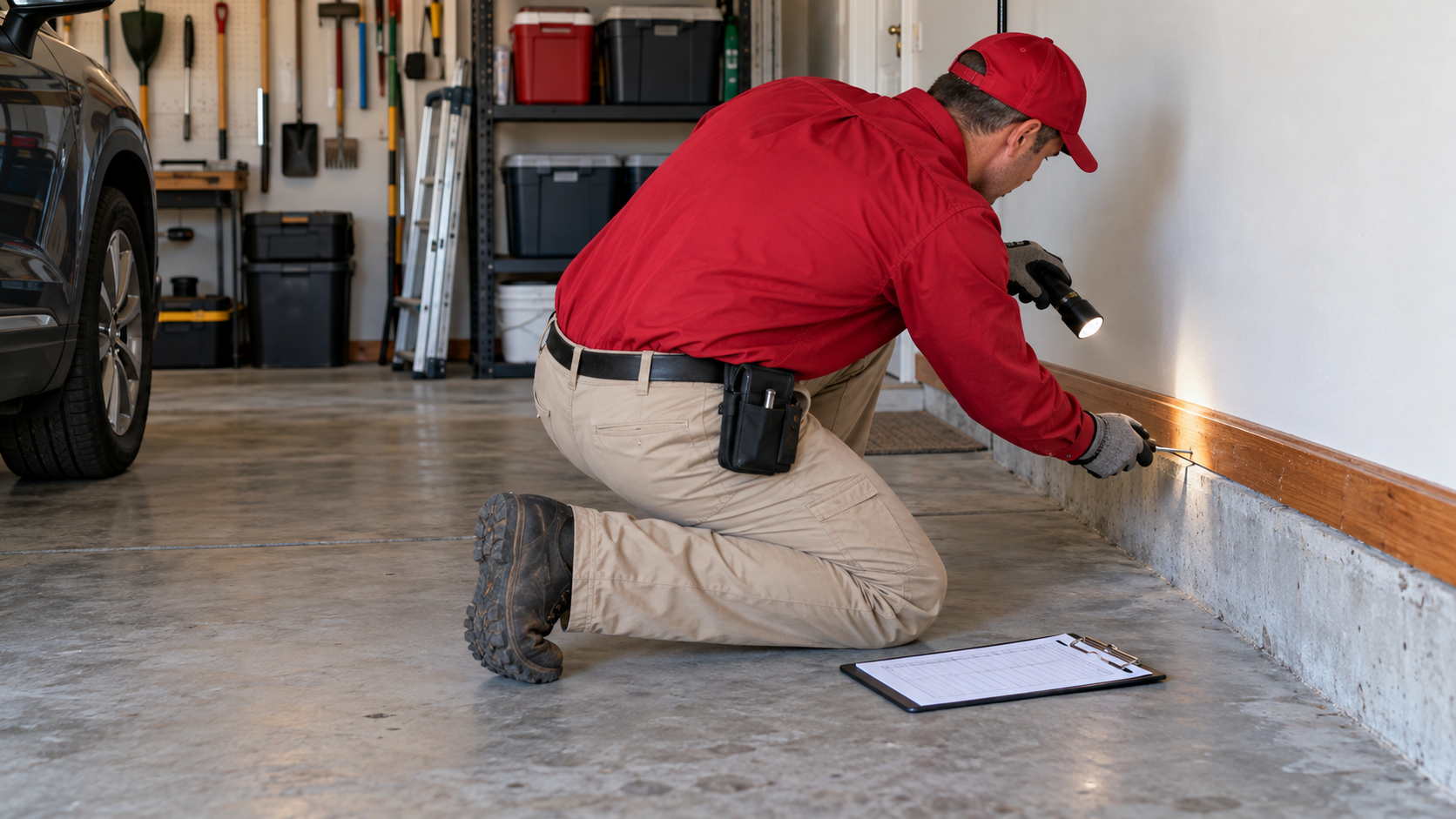 Problem 5: “I’m tenting my house and I have no idea how to prepare”
It sounds overwhelming, but it’s mostly a checklist. Your company will give exact instructions, which you should follow over any blog post, but the usual list includes:
- Sealing or removing food, medicine and anything meant to be ingested
- Taking pets and plants out of the home
- Trimming shrubs and moving items away from the foundation so the tent can seal properly
- Arranging where you’ll stay for a few days
- Following the shutoff instructions for utilities
Tip: Start preparing a week ahead. Most stress comes from last-minute scrambling.

Problem 6: “We had termite treatment before, and I think they’re back”
It happens more often than people expect, and there are a few common reasons:
- A new colony moved in from a neighbor’s property or the yard
- Treatment missed a section, such as a hard-to-reach crawl space area
- The moisture problem was never fixed, so conditions stayed attractive
- Drywood termites arrived through a new entry point after a fumigation
What to do: Pull out your original paperwork and check your warranty. Many include re-treatment or follow-up inspections. Then have the home re-inspected to find out whether it’s the same problem or a new one.
Problem 7: “Is it termites, or just water damage?”
They can look alike. Both cause bubbling paint, warped wood and soft spots. The difference matters because they need different fixes.
- Water damage: staining, musty smell, damp wood, mold
- Termite damage: mud tubes, frass pellets, layered or honeycombed galleries inside the wood
Many homes have both, since moisture attracts subterranean termites in the first place. A professional inspection can sort out which problem you’re dealing with and which to tackle first.
Problem 8: “My neighbor has termites. Should I worry?”
You should pay attention, but don’t panic. Termites don’t respect property lines, especially drywood swarmers, which fly. Having a neighbor with termites raises your odds, but doesn’t guarantee a problem.
What to do: Schedule a proactive inspection, check wood fences and detached structures that touch your home, and keep an eye out for the signs listed above. If you’re on friendly terms, share what you know. Treating one house and ignoring the next can lead to a repeat infestation.
Problem 9: “Will my homeowners insurance cover this?”
In most cases, no. Standard policies generally exclude termite damage because it’s considered preventable maintenance. Check your own policy, since terms vary.
That’s the biggest reason to inspect early. A small treatment is far cheaper than structural repair you pay for out of pocket.
 Your Quick Prevention Checklist
You can’t make a house termite-proof, but you can make it less appealing:
- Fix leaks, and direct sprinklers and downspouts away from the foundation
- Keep wood, mulch and firewood off the house
- Keep wood trim and siding above soil level
- Ventilate your crawl space and attic
- Seal gaps around pipes, vents and utility lines
- Book a yearly termite inspection
What Happens in a Termite Control Visit?
- Inspection: attic, crawl space, exterior wood, garage and moisture-prone areas
- Identification: subterranean or drywood, plus how far it has spread
- A clear written plan: treatment options and why one is recommended
- Treatment: soil treatment, baiting, spot treatment or fumigation, depending on the findings
- Follow-up: warranty details and prevention advice
FAQ
How fast can termites cause damage?
It depends on colony size and the species, but damage is gradual and hidden. By the time it’s visible, it has often been underway for a while.
What’s the difference between termite control and termite inspection?
An inspection finds and identifies the problem. Control is the treatment that deals with it.
Can I stay in my house during treatment?
For soil or spot treatments, usually yes. Fumigation requires leaving the property for a few days.
How often should I get my home checked?
Annually is a good habit for most Sacramento homes.
Ready to Find Out What You’re Dealing With?
If any of these problems sounds familiar, you’re not alone, and it’s almost always more fixable than it feels. The team at Pinnacle Pest Control can inspect your home, explain what’s going on, and recommend a plan. Learn more about our termite control services in Sacramento, or book a termite inspection today.