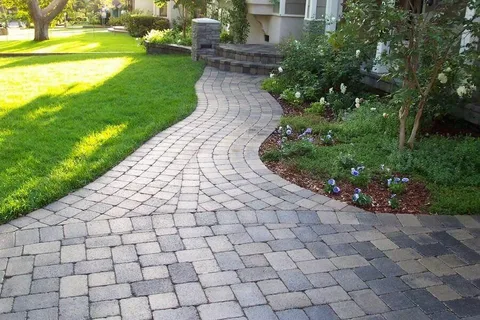
A well-built paver walkway creates a practical route through a yard while improving the appearance and accessibility of outdoor spaces. Homeowners need to consider the ground conditions, material selection, drainage, and expected foot traffic before choosing a design. Economy Landscaping LLC recognizes that successful walkway projects depend on more than the appearance of individual pavers. For homeowners planning paver walkway installation, the most important decisions involve building a stable base, managing rainwater, and selecting materials that can withstand the region’s damp weather.
Key Takeaways
- A compacted base helps prevent uneven pavers and premature settling.
- Effective drainage reduces standing water and protects the walkway structure.
- Concrete, brick, and natural stone offer different appearances and maintenance needs.
- Proper edging and joint materials help maintain the walkway’s alignment.
- Site preparation should account for soil conditions, slopes, and nearby structures.
Why Paver Walkways Need Careful Planning in Seattle
Seattle’s frequent rainfall makes drainage a central consideration for outdoor hardscaping. Water can collect on poorly graded surfaces, seep into an inadequately prepared base, or flow toward a home’s foundation. A walkway should direct water appropriately without creating slippery areas or interfering with nearby landscaping.

The local soil also affects installation decisions. Some areas contain dense or moisture-retaining soils, while others have different drainage characteristics because of their composition and previous grading. A contractor should evaluate the site before deciding how much excavation, base material, and drainage adjustment the project requires.
The walkway’s intended use matters as well. A narrow garden path connecting planting beds has different requirements from a main entrance walkway used every day. The expected foot traffic, slope, width, and access points should determine the design rather than appearance alone.
Choosing Pavers That Suit the Property
Paver materials influence the walkway’s appearance, durability, maintenance, and initial cost. Concrete pavers offer a wide range of shapes, colors, and surface finishes, making them suitable for contemporary and traditional homes. Their consistent dimensions can also make patterns easier to plan.
Brick pavers provide a classic appearance that works well with traditional architecture and established gardens. Natural stone offers distinctive textures and color variations, although individual pieces may differ in thickness and require more careful placement. The right choice depends on the homeowner’s design preferences, budget, and willingness to maintain the surface.
Material selection should also account for traction during wet weather. Smooth finishes can become slippery when rain, moss, or algae accumulate. Textured surfaces and regular maintenance can improve footing, particularly on shaded sections that receive limited sunlight.
Homeowners should examine samples outdoors when possible. Colors can appear different under Seattle’s overcast skies than they do under showroom lighting. Viewing materials beside the home’s siding, existing steps, and garden features helps create a coordinated result.
How the Installation Process Affects Long-Term Performance
A durable walkway begins with accurate measurements and appropriate excavation. Installers remove vegetation, organic material, and unsuitable soil to create space for the base and pavers. Leaving roots, loose soil, or decomposing debris underneath can cause the finished surface to settle unevenly.
The base typically consists of compactable aggregate placed in controlled layers. Compaction creates a stable foundation that distributes foot traffic and limits movement. The required depth depends on soil conditions, paver thickness, site use, and local installation practices rather than one universal measurement.
A bedding layer provides an even surface for placing individual pavers. Installers follow the selected pattern while checking alignment, spacing, and elevation. Edge restraints help prevent the outer pavers from spreading, while jointing material fills the gaps and supports the finished surface.
Drainage and grading need attention throughout the process. The completed walkway should shed water appropriately without sending runoff toward the house or neighboring property. Depending on the site, the project may require adjustments around downspouts, garden beds, steps, or existing drainage features.
Preparing the Property Before Work Begins
Good preparation reduces disruptions and helps installers complete the project with fewer unexpected changes. Homeowners should identify underground utilities, irrigation lines, outdoor lighting cables, and sprinkler heads before excavation begins. Utility locations should be verified through the appropriate locating service before digging.
The proposed path should also account for gates, planting beds, trees, and existing hard surfaces. Tree roots can complicate excavation, while narrow access points may affect the equipment and material-delivery methods available. These details should be discussed before the final scope and price are agreed upon.
For properties with heavy shade or persistent moisture, paver walkways in Seattle should be planned with surface traction and routine cleaning in mind. Homeowners can also discuss how the route will connect to existing patios, driveways, porches, and steps. A well-integrated walkway feels like part of the property rather than an isolated addition.
A practical tip is to mark the proposed route with stakes or a garden hose before installation. Walking the marked path helps reveal awkward turns, insufficient width, or access problems that may be difficult to recognize from a drawing.
Design Details That Improve Everyday Use
The walkway’s width should reflect how people will use it. A path leading to a front door may need enough room for two people to walk comfortably, while a secondary garden route can be narrower if space is limited. The entrance, turning points, and connections to other outdoor areas deserve particular attention.
Pattern selection can influence both appearance and installation complexity. Running-bond patterns create a straightforward, familiar look, while herringbone arrangements introduce stronger visual movement and can provide useful interlocking characteristics when installed correctly. Larger-format pavers may create a cleaner appearance but require a properly prepared surface to avoid rocking or uneven edges.
Transitions deserve the same attention as the main walkway. The finished surface should meet steps, thresholds, and adjacent paving without creating abrupt changes that present tripping hazards. Where elevation changes are unavoidable, the design should address them safely and consistently.
Homeowners should also consider future maintenance. Pavers can generally be repaired individually when localized damage occurs, provided replacement materials are available. Keeping a small quantity of matching pavers after installation can make later repairs easier if a unit cracks, stains, or needs to be removed for underground work.
Four Factors to Evaluate Before Choosing an Installer
Selecting an installer involves more than comparing estimates. The proposal should explain how the site will be prepared, what materials will be used, and how drainage and edge restraint will be handled. A low initial price may not represent good value if important preparation steps are excluded.

Homeowners should ask how the installer evaluates soil conditions and determines the base depth. They should also clarify whether excavation, hauling, disposal, material delivery, and restoration of disturbed landscaping are included. These details help prevent disagreements once work begins.
Experience with local properties is valuable because site conditions can vary significantly between neighborhoods. An installer should be able to explain how the proposed design responds to slope, shade, rainfall, and the existing landscape. Clear answers are more useful than broad promises about durability.
Before approving the project, homeowners should review the written scope, estimated schedule, payment terms, and warranty provisions. They should also confirm who is responsible for obtaining any permits or approvals that may apply to the specific property.
Questions to Ask Before Work Starts
- What excavation depth and base materials does the site require?
- How will rainwater drain away from the home and walkway?
- Are edging, jointing material, cleanup, and disposal included?
- What maintenance will help preserve the finished surface?
Maintenance for Seattle’s Wet Conditions
Even a carefully installed walkway requires periodic care. Leaves, soil, and organic debris can hold moisture against the surface, while shaded joints may develop moss or algae. Sweeping the walkway regularly and removing buildup helps preserve its appearance and footing.
Homeowners should inspect the surface after periods of heavy rain. Standing water, loose pavers, widening joints, or localized sinking may indicate a drainage or base problem. Addressing small issues early can prevent them from spreading across a larger section.
Cleaning methods should match the paver material and manufacturer’s recommendations. Aggressive pressure washing can dislodge jointing sand or damage delicate surfaces when used incorrectly. Suitable cleaners and careful application can help remove stains without creating additional problems.
Joint material may need replenishment over time, especially after cleaning or prolonged exposure to runoff. Vegetation growing between pavers should be removed before roots or accumulated organic material make maintenance more difficult. Moss control should focus on correcting persistent moisture and shade-related conditions where possible, not simply removing visible growth.
Frequently Asked Questions
How long does paver walkway installation take?
Many straightforward residential walkways can be installed within a few days, but the schedule depends on the walkway’s size, excavation requirements, weather, access, and complexity. Drainage corrections or extensive site preparation can extend the project.
Are pavers suitable for Seattle’s rainy climate?
Yes, pavers can perform well in Seattle when the installation includes a stable base, suitable materials, effective grading, and appropriate jointing. Regular cleaning also helps limit moss, algae, and debris that can affect traction.
Do paver walkways require a concrete base?
Not necessarily. Many residential paver walkways use a properly compacted aggregate base with a suitable bedding layer. The appropriate construction method depends on soil conditions, site requirements, and the selected paving system.
Can individual pavers be replaced if they become damaged?
In many cases, yes. Individual units can often be lifted and replaced without rebuilding the entire walkway. Matching the original paver and restoring the joint material helps maintain a consistent finish.
What affects the cost of a paver walkway?
The main factors include walkway dimensions, paver selection, excavation depth, soil conditions, drainage work, site accessibility, edging, and labor. A detailed written estimate makes it easier to compare proposals on an equivalent scope of work.
Creating a Walkway That Lasts
A successful paver walkway combines an attractive design with sound construction. Material selection, excavation, compaction, grading, and joint installation all influence how the finished surface performs over time. In Seattle, careful moisture management deserves particular attention because persistent rainfall can expose weaknesses in an inadequately prepared base.
Homeowners who evaluate these factors before construction can make better decisions about their budget, design, and maintenance expectations. A well-planned walkway can improve access around the property while complementing the home and surrounding landscape for years.
Plan a Paver Walkway for Your Property
Homeowners considering a new walkway can contact Economy Landscaping LLC to discuss their property, preferred paver styles, and installation goals. A conversation about site access, drainage, existing landscaping, and everyday use can help clarify the project’s scope. Before moving forward, homeowners should request a detailed estimate outlining preparation, materials, installation, and cleanup. Careful planning helps align the finished walkway with the property’s appearance, practical needs, and long-term maintenance expectations while accounting for Seattle’s wet weather.