Twelve months ago my garage was a museum of broken things. An old bike frame, a dead microwave, a bag of copper pipe from a bathroom repair, and a lawnmower that never started again. I kept telling myself I would deal with it eventually. Then a neighbor mentioned that most of that pile had actual value, and I decided to test the idea. Scrap Metal Recycling in Stroudsburg PA turned out to be less about cash and more about habits, and the lessons stuck with me long after the first run. Demo Containers was where I finally took that first load. Here is what a year of doing this properly taught me.

The First Trip Was Mostly About Learning
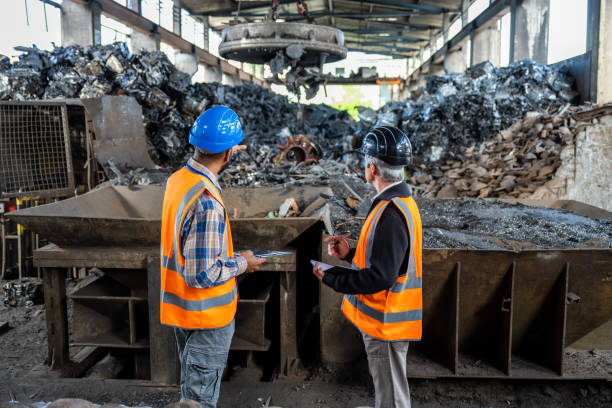
I showed up with a mixed load of everything I could carry and assumed the scale would sort it out. It did, but not in the way I expected. The yard separated my pile into categories I had never considered, and the price difference between them was significant.

Why sorting before you arrive matters
Mixed loads get priced at the lowest common denominator because the yard has to sort them. When I separated my copper pipe from the steel frame and the aluminum lawn chair, the payout nearly doubled. That single lesson changed how I handled every load after it.
The scale does not lie
I had guessed my load weighed about forty pounds. It weighed closer to a hundred and twenty. Old appliances and dense metal hide their weight well, and that surprise was a useful correction to my assumptions. It also explained why some loads I thought were worthless turned out to be worth the trip.
What I Learned About Metal Categories
The yard taught me more in ten minutes than an hour of reading would have. Different metals behave differently, and the pricing reflects that reality.
Ferrous versus non-ferrous
Steel and iron are ferrous, and they are the bulk of most household scrap. Copper, aluminum, brass, and stainless steel are non-ferrous, and they carry much higher value per pound. A magnet is the simplest test, because ferrous metals stick and non-ferrous ones do not.
Why copper and aluminum pay more
Non-ferrous metals are rarer and more energy intensive to produce, so recycling them saves more value. That is why a small bundle of clean copper can be worth more than a whole car load of steel. Once I understood this, I started separating my scrap at home instead of at the yard.
The Habits That Made It Worthwhile
Recycling metal is not difficult, but it rewards consistency. A few small habits turned it from an occasional errand into a routine that actually paid.
Keeping a bin in the garage
I set up two bins, one for ferrous and one for non-ferrous, and started dropping items in as they broke. That small change removed the pile-up problem entirely. Instead of a garage full of junk, I had two containers that filled slowly and were easy to load.
Stripping and cleaning when possible
Clean metal commands a better price than metal covered in plastic, rubber, or insulation. I started removing cords from appliances and stripping insulation from thicker copper wire. The extra few minutes per item added up to a noticeably better payout over the year.
What Surprised Me Most About the Process
The practical side was easier than I expected. The surprises came from the parts I had not considered at all.
How much household clutter is metal
Old pots, broken tools, shelf brackets, curtain rods, and dead electronics all contain recoverable metal. Once I started looking, I realized how much of what I had thrown away over the years could have been recycled. That realization was slightly embarrassing.

The environmental side is real
Recycling metal uses far less energy than producing it from ore, and every ton diverted from a landfill makes a measurable difference. I had heard this before, but seeing the volume leave my garage made it concrete. The cash was a bonus, not the main point.
Mistakes I Made Along the Way
Not every trip went smoothly, and a few of my early errors cost me money.
Hauling loads that were not worth the fuel
My first few trips were too small to justify the drive. Combining loads and waiting until I had a reasonable volume made each trip more efficient. It also reduced the number of times I had to handle the same items.
Assuming everything was worth money
Some items I thought were valuable turned out to be nearly worthless, and a few I had dismissed were worth more than expected. Asking the yard before loading saved me from hauling dead weight. A quick phone call is faster than a wasted trip.
What I Would Tell Someone Starting Out
Anyone with a garage full of old metal can benefit from this, and the learning curve is shorter than it looks. A few practical steps make the first year much smoother.
A simple starting checklist
- Separate ferrous and non-ferrous metals before loading.
- Use a magnet to check anything you are unsure about.
- Remove cords, plastic, and rubber where practical.
- Call ahead to confirm current prices and accepted items.
- Combine small loads to make each trip worthwhile.
- Keep receipts to track what actually pays.
Do not overthink the first trip
My first load was far from perfect, and I still came home with money and a better understanding of the process. Waiting until you know everything means the pile never leaves the garage. Start with what you have and refine the habit as you go.
Final Thoughts
A year of doing this changed how I look at broken things. Metal is rarely truly waste, and a little sorting turns clutter into something useful. The routine is simple, and the payoff is both financial and practical.
Find a yard that answers questions
If you are ready to clear out the garage, look for Scrap Metal Recycling in Stroudsburg PA services that explain pricing and accept mixed household loads. A yard that answers questions makes the first trip easy and the habit worth keeping.
Frequently Asked Questions
What metals are worth recycling at home?
Copper, aluminum, brass, stainless steel, and steel are the most common household metals with value. Copper and aluminum pay the most per pound, while steel makes up most of the volume. A magnet helps separate ferrous from non-ferrous quickly.
Do I need to clean scrap metal before selling it?
Cleaner metal generally earns a better price because the yard does not have to process it further. Removing plastic, rubber, and insulation from copper wire is worth the effort. Even basic sorting improves the payout compared with mixed loads.
How much scrap do I need for a worthwhile trip?
It depends on the metal type and current prices, but a load that justifies the fuel and time is the practical target. Combining small amounts over several weeks usually makes more sense than making frequent short trips. Call the yard for guidance if you are unsure.
Can I recycle old appliances and electronics?
Many yards accept appliances, and some handle electronics separately due to data and safety concerns. Refrigerants must be removed from fridges and freezers before recycling. Confirm accepted items with the yard before loading your vehicle.