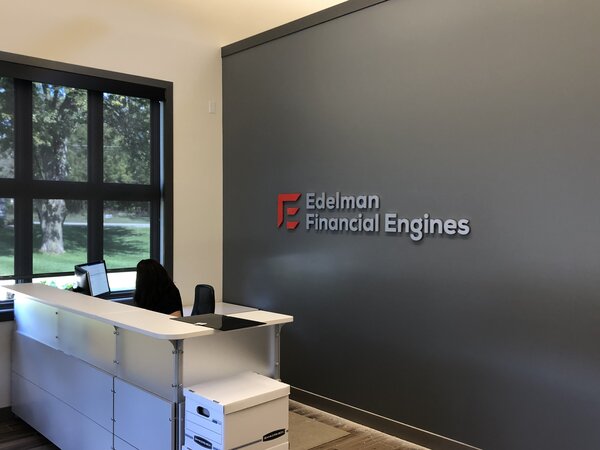
A business lobby is often the first place clients, customers, and visitors experience a company’s brand in person. Before a meeting begins or a conversation takes place, the office entrance can communicate professionalism, credibility, and attention to detail. For businesses in Grand Rapids, Michigan, a well-designed lobby sign can help create a welcoming atmosphere while reinforcing brand identity.

Choosing the right signage involves more than displaying a company name or logo. Businesses must consider their interior design, available space, lighting, materials, installation requirements, and long-term maintenance. The right sign should complement the office environment, remain easy to read, and reflect the organization’s values.

Whether you operate a corporate office in downtown Grand Rapids, a medical practice in Kentwood, or a professional service business in Wyoming, selecting suitable lobby signage can make a meaningful difference in how people perceive your organization. Understanding the available options and important design considerations will help you make a practical investment in your workplace.
1. Understand Your Brand Identity and Business Goals
Before selecting a sign, determine what you want it to communicate. Your lobby signage should represent your company’s personality and create a consistent experience for everyone who enters your office.
For example, a technology company might prefer a clean, contemporary design with dimensional lettering and subtle illumination. A law firm may choose polished metal lettering that communicates professionalism, while a creative agency could benefit from colorful graphics and distinctive materials.
Consider the following questions before making a decision:
- What impression should visitors have when entering your office?
- Which brand colors, fonts, and logo elements should appear on the sign?
- Does your business have a modern, traditional, creative, or corporate identity?
- Should the sign emphasize your company name, logo, tagline, or a combination of these elements?
Maintaining brand consistency is especially important for businesses with multiple offices throughout Grand Rapids and surrounding communities. Using similar signage styles, colors, and logo treatments across different locations helps establish a recognizable visual identity.
2. Explore Different Types of Lobby Signs
Businesses can choose from several signage styles depending on their budget, interior design, and branding objectives. Understanding these options makes it easier to identify a solution that fits your workplace.
Dimensional Letter Signs
Dimensional lettering creates a three-dimensional appearance by mounting individual letters directly onto a wall or backing panel. Materials such as acrylic, metal, and PVC offer different finishes and visual effects.
These signs work well in corporate offices, financial institutions, healthcare facilities, and professional service environments. Their depth adds visual interest without requiring a complicated design.
Acrylic Lobby Signs
Acrylic signage offers a smooth, contemporary appearance and can be customized with different colors, thicknesses, finishes, and mounting methods. Clear acrylic can create a floating effect, while colored panels provide stronger visual contrast.
This option is suitable for businesses seeking a modern look that complements glass partitions, minimalist furniture, and bright office interiors.
Metal Lobby Signs
Metal lettering made from materials such as aluminum or stainless steel can create a refined, professional appearance. Brushed, polished, or matte finishes allow businesses to match their signage with existing interior features.
Metal signs are often a good fit for corporate headquarters, consulting firms, financial offices, and established professional organizations.
Backlit and Illuminated Signs
Illuminated signage uses integrated lighting to make logos and lettering stand out. Backlighting can create a soft glow around individual letters, while front-lit options make the sign itself more prominent.
Lighting can be particularly useful in reception areas with limited natural light or interiors that feature darker wall colors. However, brightness and placement should be carefully selected to avoid glare and maintain comfortable visibility.
3. Choose Materials That Match Your Office Environment
Material selection affects the appearance, durability, maintenance, and overall cost of your sign. The best choice depends on your workplace conditions and the image your business wants to project.
Acrylic is lightweight and versatile, making it suitable for many interior applications. Metal provides a durable, premium finish, while PVC can offer a practical solution for businesses working within a tighter budget. Layered materials can also combine different textures to create a more distinctive design.
When comparing materials, consider:
- Durability: Select materials that maintain their appearance with regular cleaning and everyday office use.
- Maintenance: Choose finishes that are easy to clean without requiring specialized products.
- Appearance: Match the material and finish to your furniture, wall surfaces, lighting, and overall interior style.
- Budget: Compare the initial cost with expected maintenance and long-term value.
- Installation: Consider the wall surface, sign weight, mounting hardware, and electrical requirements for illuminated options.
Grand Rapids experiences seasonal temperature changes and varying indoor heating conditions. Although interior signs are generally protected from outdoor weather, selecting quality materials and appropriate mounting systems remains important for long-term performance.
4. Evaluate Size, Placement, and Readability
Even a beautifully designed sign can be ineffective if visitors cannot see or read it easily. The size and placement should reflect the dimensions of your reception area and the distance from which people will view the sign.
A large sign may be appropriate for a spacious corporate lobby, while a smaller reception area may benefit from a more restrained design. The goal is to establish a clear focal point without overwhelming the room.
Consider Viewing Distance
Visitors should be able to recognize the company name and logo from the entrance or waiting area. Letter height, font style, contrast, and spacing all affect readability.
Avoid overly decorative fonts for essential information. Clean typography and adequate spacing usually provide better results, especially when visitors need to identify a business quickly.
Assess Wall Space and Backgrounds
Measure the available wall area before finalizing the design. Account for furniture, reception desks, decorative features, doorways, and other elements that may compete for attention.
The sign should contrast sufficiently with the wall behind it. For example, dark lettering may work well on a light-colored wall, while metallic or white lettering may be more effective against darker surfaces.
Plan for Accessibility and Visitor Flow
Your lobby sign should support a welcoming and easy-to-navigate environment. Avoid placing it where doors, furniture, or decorative elements obstruct visibility.
If your office also needs directional or identification signage, ensure that these signs complement the main lobby display while serving their individual purposes.
5. Coordinate the Sign With Your Interior Design
Lobby signage should look like a natural part of the office rather than an element added without considering the surrounding space. The colors, finishes, lighting, and dimensions should work together with the interior design.
For instance, an office with glass walls and neutral furniture may benefit from clear acrylic or brushed-metal lettering. A workplace with bold accent walls could use a contrasting logo panel to establish a stronger focal point.
Businesses renovating their offices should coordinate sign design with architects, interior designers, or facility managers when appropriate. This helps ensure that mounting locations, electrical connections, and wall finishes are considered before installation.
For businesses with locations in Grand Rapids, Walker, Kentwood, and Wyoming, consistent branding can also help create a unified experience across offices while allowing each space to accommodate its own layout.

6. Consider Lighting and Visibility
Lighting influences how visitors perceive your sign throughout the day. Natural light, overhead fixtures, decorative lighting, and reflections from glass surfaces can all affect readability.
Illuminated signs may be suitable for businesses that want a prominent visual feature or operate in reception areas with limited lighting. Non-illuminated signs can work equally well when the surrounding environment provides sufficient light.
Before choosing a lighting system, evaluate the following factors:
- The amount of natural and artificial light in the reception area.
- Potential glare from windows, glass partitions, and polished surfaces.
- The contrast between the lettering and its background.
- Energy consumption and access to electrical connections.
- The availability of components for future maintenance or replacement.
A professional sign designer can recommend lighting options that complement the interior while maintaining a balanced, comfortable appearance.
7. Establish a Realistic Budget
The cost of lobby signage depends on its size, material, complexity, lighting, customization, and installation requirements. A simple acrylic logo may require a smaller investment than a large, illuminated display with multiple layers and specialized mounting hardware.
Instead of focusing only on the lowest initial price, evaluate the overall value of the sign. Quality construction, thoughtful design, and appropriate installation can help reduce maintenance needs and extend its useful life.
When requesting estimates, ask for a clear breakdown of design, materials, fabrication, installation, and any electrical work. You should also confirm whether the quote includes wall preparation, mounting hardware, and future service requirements.
A well-planned sign can support your brand for years, making it worthwhile to balance cost with durability, appearance, and functionality.
8. Work With an Experienced Sign Company
Selecting an experienced signage provider can simplify the process from initial concept to final installation. A professional team can assess your space, discuss branding requirements, recommend suitable materials, and identify potential installation challenges.
When evaluating a Sign Company in Grand Rapids, review its portfolio, customization capabilities, communication process, installation experience, and understanding of commercial interiors.
Ask potential providers about their experience with dimensional lettering, acrylic signs, illuminated displays, and other solutions relevant to your office. It is also helpful to request examples of completed projects for businesses with similar branding or space requirements.
Local knowledge can be valuable when coordinating site visits and installation schedules for businesses in Grand Rapids and nearby areas. A qualified provider should explain the available options clearly and help you select signage that fits your goals rather than recommending unnecessary features.
Fresh Coast Signs and Graphics is a local signage resource businesses can explore when considering custom solutions for their office branding. Reviewing available designs, materials, and project examples can help decision-makers determine which approach best suits their reception area.
9. Plan for Installation and Future Maintenance
Installation is an important part of the overall signage project. Incorrect mounting, uneven lettering, exposed wiring, or poorly positioned graphics can affect the final appearance, even when the design itself is excellent.
Before installation, confirm the wall measurements, mounting method, placement, and any electrical requirements. For heavier signs, ensure that the selected mounting system is appropriate for the wall construction.
After installation, establish a simple maintenance routine. Regularly remove dust, inspect mounting hardware when appropriate, and clean surfaces according to the manufacturer’s recommendations. Avoid abrasive cleaners that may scratch acrylic or damage specialty finishes.
For illuminated signs, periodic checks of lighting components and electrical connections can help identify issues before they become more disruptive.
Businesses should also consider whether their signage will need updating after a rebrand, office renovation, or change in company information. Choosing a flexible design can make future modifications easier and potentially reduce replacement costs.
10. Make the Visitor Experience a Priority
A lobby sign is not simply a decorative feature. It contributes to the overall experience of clients, employees, vendors, and prospective business partners.
A clear company logo helps visitors confirm that they have arrived at the correct location. A polished design creates a more professional reception environment, while consistent branding reinforces recognition and trust.
Consider how the sign will appear from the entrance, waiting area, and main approach to the reception desk. If your lobby accommodates frequent visitors, prioritize clear identification and avoid visual clutter.
The most effective design balances branding with practicality. It should be distinctive enough to represent your business while remaining easy to understand and appropriate for the people who use the space.
Conclusion
Choosing the right lobby signage requires careful consideration of brand identity, materials, dimensions, lighting, budget, and installation. For Grand Rapids businesses, a thoughtfully designed sign can strengthen brand recognition, improve visitor navigation, and create a more professional first impression.
Start by identifying your branding goals, evaluating your reception area, and comparing signage options that suit your space. Prioritize readability, durable materials, and quality installation rather than selecting a design based on appearance alone.
Whether your office is in downtown Grand Rapids or a nearby community such as Kentwood, Wyoming, or Walker, working with an experienced signage provider can help you create a solution that complements your workplace and supports your business identity. With the right planning and professional guidance, Lobby Signs in Grand Rapids can become a lasting part of your company’s visual presence and a welcoming introduction to your brand.
Frequently Asked Questions
1. What Type of Lobby Sign Is Best for a Modern Office?
Acrylic signs, dimensional lettering, and brushed-metal displays are popular choices for modern offices. The best option depends on your brand identity, interior finishes, available space, and budget.
2. How Do I Choose the Right Size for Lobby Signage?
Measure the available wall space and consider the distance from which visitors will view the sign. Letter size, contrast, spacing, and surrounding furniture should all be evaluated to ensure readability.
3. Are Illuminated Lobby Signs Worth the Investment?
Illuminated signs can improve visibility and create a distinctive appearance, particularly in dim reception areas. However, a well-designed non-illuminated sign may be sufficient for an office with good lighting.
4. How Can Businesses Find the Right Signage Provider in Grand Rapids?
When comparing providers, review their portfolios, material options, installation experience, customization services, and estimates. A reliable Sign Company in Grand Rapids should understand your requirements and explain the advantages of different signage solutions.
5. How Often Should Office Lobby Signs Be Replaced?
There is no fixed replacement schedule. Well-maintained signs can remain effective for many years, but businesses may need to update them when branding changes, materials deteriorate, lighting fails, or office renovations alter the surrounding design.