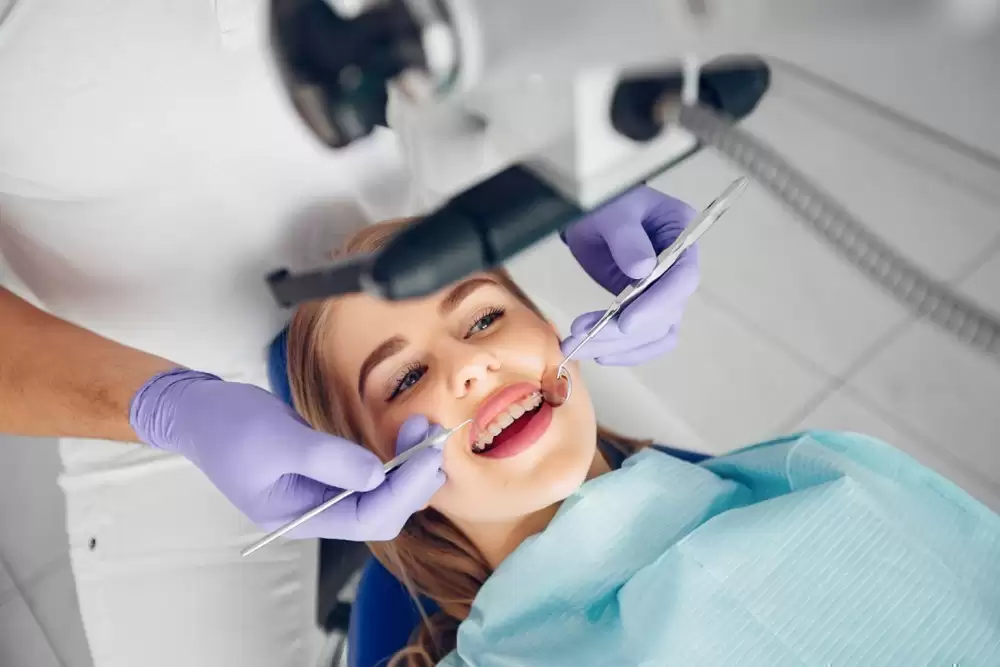
A confident smile can make everyday interactions feel more comfortable, but concerns about chipped teeth, uneven edges, gaps, or discolouration can sometimes affect how people feel about their appearance. Dental veneers offer one way to address these concerns by improving the visible surfaces of the teeth while maintaining a natural-looking smile.

However, veneers are not simply a cosmetic upgrade that suits everyone. Understanding the treatment process, available materials, potential benefits, limitations, and long-term care requirements can help you make an informed decision.

If you are considering dental veneers dubai, it is worth looking beyond photographs of finished smiles and learning what the procedure involves. A consultation with a qualified dental professional can help determine whether veneers are appropriate for your teeth, oral health, and personal expectations.
What Are Dental Veneers?
Dental veneers are thin, custom-made coverings bonded to the front surfaces of teeth to improve their appearance. They can change the colour, shape, size, or apparent alignment of selected teeth, depending on the individual’s needs and the treatment plan.
Veneers are commonly considered for concerns such as:
- Stained or discoloured teeth that do not respond adequately to whitening.
- Small chips, worn edges, or minor surface irregularities.
- Uneven tooth shapes or differences in tooth size.
- Small gaps between teeth.
- Mild cosmetic inconsistencies that affect the appearance of a smile.
Veneers primarily address cosmetic concerns. They do not replace orthodontic treatment for significant misalignment or restorative treatment for teeth that require more substantial structural support.
Before recommending veneers, a dentist should assess the condition of the teeth and gums, existing restorations, bite, and any habits that could affect the result.
Types of Dental Veneers Available
The two commonly discussed options are porcelain veneers and composite resin veneers. Both can improve the appearance of teeth, but they differ in material, placement, maintenance, and expected longevity.
Porcelain Veneers
Porcelain veneers are custom-made in a dental laboratory or through an appropriate digital workflow. They are designed to reproduce the appearance of natural enamel, including its colour and light-reflecting qualities.
Potential advantages include:
- A natural-looking appearance when carefully designed.
- Good resistance to surface staining compared with composite resin.
- The ability to refine the shape and colour of individual teeth.
- Long-term use when properly placed and maintained.
Porcelain veneers often require some enamel removal to create space for the material. The amount varies according to tooth position, the desired result, and the treatment plan. Because this preparation is generally irreversible, patients should understand its implications before proceeding.
Composite Veneers
Composite veneers use tooth-coloured resin that a dentist shapes directly onto the tooth or applies using another suitable technique. Depending on the case, the treatment may be completed in a single visit.
Their potential advantages include:
- Less extensive preparation in selected cases.
- Easier repair if minor chips or damage occur.
- Flexibility when making small changes to tooth shape.
- A potentially lower initial cost than porcelain veneers.
Composite resin can stain or wear more readily than porcelain and may require polishing, maintenance, or replacement over time.
Neither option is automatically better for every patient. The most appropriate choice depends on oral health, cosmetic goals, budget, tooth structure, and the dentist’s assessment.
Who Is a Suitable Candidate for Dental Veneers?
A suitable candidate generally has healthy teeth and gums, realistic expectations, and cosmetic concerns that veneers can address without compromising oral health.
People with persistent gum inflammation, untreated tooth decay, significant enamel loss, or certain bite problems may need other treatment before veneers can be considered.
A dental assessment is particularly important if you have any of the following:
- Teeth grinding or clenching: These habits can increase pressure on veneers and raise the risk of chipping or fracture.
- Active gum disease: Healthy gum tissue is important for treatment planning and long-term maintenance.
- Extensive tooth damage: A crown or another restorative option may provide more appropriate coverage and support.
- Significant misalignment: Orthodontic treatment may be preferable to reshaping healthy teeth to create the appearance of alignment.
- Frequent acid exposure: Acid erosion can weaken enamel and affect the suitability of certain cosmetic procedures.
Patients should also discuss previous dental work, tooth sensitivity, medications, and any concerns about their bite. These details help the dentist assess risks and identify alternatives where necessary.
What Happens During the Veneer Procedure?
The veneer process involves more than selecting a shade and attaching a covering. Careful planning helps ensure that the final appearance works with the patient’s facial features, natural teeth, and bite.
1. Initial Consultation and Oral Examination
The first appointment usually involves discussing your concerns, desired outcome, and expectations. The dentist examines your teeth and gums and may recommend photographs, X-rays, scans, or other diagnostic assessments when clinically appropriate.
This stage helps establish whether veneers are suitable and whether other dental concerns should be addressed first.
2. Smile Design and Treatment Planning
The dentist considers factors such as tooth proportions, colour, gum contours, facial features, and how the upper and lower teeth meet.
A treatment plan should explain which teeth need treatment, the proposed material, the degree of tooth preparation, the expected limitations, and the alternatives available. Depending on the case, a mock-up or temporary preview may help you understand the proposed appearance before committing to treatment.
3. Tooth Preparation
For conventional porcelain veneers, the dentist may remove a small amount of enamel to accommodate the veneer and create an appropriate fit. Local anaesthesia may be used when needed.
Some cases may be suitable for minimal-preparation or no-preparation veneers, but these approaches are not appropriate for everyone. Adding material without sufficient space can make teeth look bulky or affect the gum margins.
4. Veneer Fabrication and Placement
For laboratory-made veneers, impressions or digital scans are used to create restorations that fit the planned tooth shapes. Temporary veneers may be provided when necessary.
At the placement appointment, the dentist checks the fit, shade, shape, and bite before bonding the veneers to the teeth. Any necessary adjustments should be completed so the restorations feel comfortable and function appropriately.
Composite veneers may follow a different workflow because the material can often be shaped directly on the teeth.

5. Follow-Up and Maintenance
After placement, the dentist may arrange a review to assess comfort, bite, gum response, and the condition of the veneers.
Some temporary sensitivity can occur after treatment, but persistent pain, increasing sensitivity, or discomfort when biting should be assessed by a dental professional.
How Much Do Dental Veneers Cost in Dubai?
The cost of dental veneers in Dubai varies according to the material, the number of teeth treated, the complexity of the case, and the clinical work required before placement.
Porcelain veneers generally involve laboratory fabrication and may cost more initially than composite veneers. Additional procedures, such as gum treatment, restorative work, or bite management, can also affect the overall expense.
Rather than comparing prices alone, ask the clinic for a clear written treatment plan that explains:
- The cost per tooth and the total estimated fee.
- The type and material of the proposed veneers.
- Whether consultation, imaging, temporary restorations, and follow-up visits are included.
- Whether any preliminary dental treatment is required.
- The expected maintenance needs and possible repair costs.
It is also reasonable to ask what happens if a veneer chips, becomes loose, or needs replacement. Understanding the financial and clinical commitments beforehand can help you compare treatment options more confidently.
How Long Do Dental Veneers Last?
Dental veneers can last for many years, but their lifespan depends on the material, placement quality, oral hygiene, bite forces, and maintenance.
Porcelain veneers commonly last around 10–15 years or longer in suitable circumstances, while composite veneers often require repair or replacement sooner. These are general estimates, not guarantees for an individual patient.
You can help protect your veneers by following a consistent care routine:
- Brush twice daily with fluoride toothpaste and a soft-bristled toothbrush.
- Clean between your teeth daily using floss or another suitable interdental aid.
- Attend regular dental examinations and professional cleaning appointments.
- Avoid biting fingernails, opening packaging with your teeth, or chewing hard objects.
- Wear a dentist-recommended night guard if you grind or clench your teeth.
- Contact your dentist if a veneer feels loose, develops a rough edge, or causes discomfort.
Veneers do not make the underlying teeth immune to decay. The natural tooth structure and surrounding gums still require regular care.
It is also important to understand that porcelain veneers are not usually reversible once enamel has been removed. If a veneer eventually needs replacement, the tooth may continue to require a restoration.
Are There Alternatives to Veneers?
Yes. The best treatment depends on the underlying concern, and a less invasive option may be sufficient.
Professional Teeth Whitening
Whitening may be appropriate when the main concern is natural tooth discolouration. Unlike veneers, it does not change tooth shape or close gaps, and it does not whiten crowns or existing veneers.
Dental Bonding
Composite bonding can repair small chips, improve minor shape irregularities, and close selected small gaps. It may involve less tooth preparation than conventional porcelain veneers, although the material can stain or wear.
Orthodontic Treatment
Clear aligners or braces can move teeth into better positions. For patients whose main concern is crowding, spacing, or misalignment, orthodontic treatment may address the underlying issue without removing healthy enamel to disguise tooth position.
Crowns and Other Restorations
When a tooth has extensive damage or requires substantial structural protection, a crown or another restorative approach may be more appropriate than a veneer.
A dentist should explain the advantages, disadvantages, and expected maintenance of each suitable option rather than assuming that a cosmetic procedure is always the best solution.
Choosing a Dental Clinic for Veneers in Dubai
When comparing clinics, look for a dental team that prioritises oral health, transparent communication, and treatment planning tailored to your needs.
Useful questions to ask include:
- What makes me a suitable candidate for veneers?
- How much natural tooth structure will need to be removed?
- Could whitening, bonding, or orthodontics achieve my goals?
- What material do you recommend, and why?
- How will my bite and gum health affect the result?
- What maintenance or future replacement might be necessary?
DentisTree Dental Clinic offers a point of contact for patients exploring dental care and cosmetic treatment options. During a consultation, patients can discuss their concerns, understand the available approaches, and ask questions about the proposed treatment before deciding how to proceed.
A good treatment decision should be based on clinical suitability and informed consent, not pressure to choose a particular procedure.
Conclusion
Dental veneers can improve the appearance of chipped, discoloured, uneven, or slightly spaced teeth, but successful treatment starts with understanding your oral health and the changes you want to achieve. Material selection, careful planning, realistic expectations, and consistent maintenance all play important roles in the long-term outcome.
Before committing to dental veneers in Dubai, compare suitable alternatives and discuss the benefits, limitations, costs, and maintenance requirements with a dental professional. DentisTree Dental Clinic can be a starting point for discussing your cosmetic dental concerns and exploring an approach that fits your individual needs.
Frequently Asked Questions
1. Are dental veneers painful?
Veneer treatment is generally well tolerated. Local anaesthesia may be used during tooth preparation, and some patients experience temporary sensitivity afterward. Persistent pain or discomfort should be assessed by a dentist.
2. Can dental veneers look natural?
Yes. Veneers can be designed to complement natural tooth colour, shape, proportions, and facial features. The result depends on careful planning, appropriate material selection, and the quality of placement.
3. Are dental veneers permanent?
Veneers are long-term restorations, but they do not last forever. Conventional porcelain veneers usually require some enamel removal, which is irreversible, and the veneers may eventually need repair or replacement.
4. Can I get veneers if my teeth are crooked?
It depends on the degree of misalignment and your overall oral health. Veneers may address selected minor cosmetic irregularities, but braces or clear aligners may be more suitable for significant crowding or bite problems.
5. How do I care for my veneers after treatment?
Brush twice daily with fluoride toothpaste, clean between your teeth every day, and attend regular dental check-ups. Avoid biting hard objects, and discuss a night guard with your dentist if you grind or clench your teeth.