Missing teeth can affect everyday activities such as eating, speaking, and smiling with confidence. A gap in the teeth may also allow neighboring teeth to shift over time, potentially affecting the bite and making oral hygiene more difficult. Fortunately, modern dentistry offers several ways to replace missing teeth, including dental implants, bridges, and removable dentures.

Dental implants are a popular option because they provide a stable foundation for replacement teeth. They are designed to function much like natural teeth and can offer long-term benefits when properly planned and maintained. However, their suitability depends on the patient’s oral health, jawbone condition, general health, and individual needs.

For people considering a Dental implant in islamabad, understanding the advantages, limitations, treatment process, and alternatives can help them make an informed decision. A dental implant can be an effective tooth replacement, but it is not necessarily the right solution for everyone.
1. What Is a Dental Implant and How Does It Work?
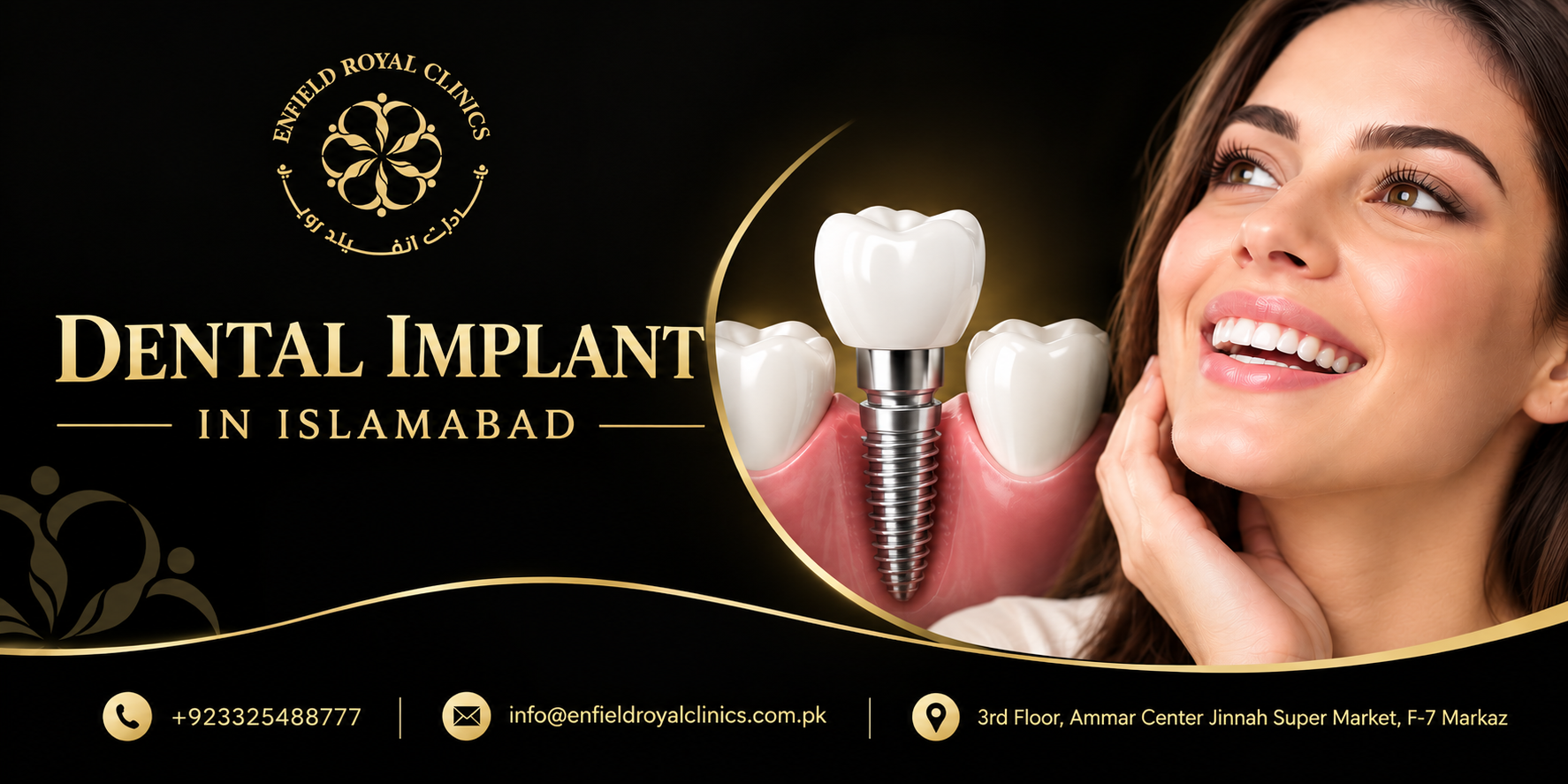
A dental implant is a small post, commonly made from titanium, that is placed into the jawbone to replace the root of a missing tooth. After placement, the implant gradually bonds with the surrounding bone through a natural process called osseointegration. This creates a stable foundation for the replacement tooth.
A typical dental implant restoration has three main components:
- Implant post: The part placed inside the jawbone that acts as an artificial tooth root.
- Abutment: A connector that attaches the replacement tooth to the implant.
- Crown: The visible part designed to resemble a natural tooth.
The exact design depends on the patient’s needs. A single implant may support one crown, while multiple implants can support a bridge or help secure a full-arch restoration.
Unlike a traditional dental bridge, an individual implant usually does not require the neighboring teeth to be reshaped for support. This can help preserve healthy adjacent teeth.
Patients researching a Dental implant in islamabad should understand that treatment involves more than placing the implant. Careful assessment, appropriate healing time, and the correct design of the final restoration are all important for a successful outcome.
2. What Makes Dental Implants an Effective Tooth Replacement?
Dental implants can provide several practical benefits for people with missing teeth. Their effectiveness comes from the way they combine stability, function, and a natural-looking appearance.
Improved chewing ability: A securely integrated implant can support comfortable chewing. Patients may find it easier to eat a wider variety of foods than they could with an unstable or poorly fitting denture.
A natural appearance: The crown can be designed to match the shape, size, and color of surrounding teeth. This helps the replacement blend with the smile.
Greater stability: Because the implant is anchored in the jawbone, it does not move in the same way that a removable denture may. This can make eating and speaking more comfortable.
Support for jawbone health: Following tooth loss, the jawbone in the affected area may gradually shrink. An implant provides stimulation to the bone around its placement, helping preserve bone locally. However, it cannot prevent every type of bone loss.
Long-term function: Dental implants can last for many years when patients maintain good oral hygiene and attend regular dental appointments. The crown may need repair or replacement over time, even if the implant remains stable.
These benefits make implants a valuable option for many patients, but results depend on individual circumstances. A dental assessment can help determine whether an implant is likely to meet the patient’s functional and aesthetic goals.
3. Who Is a Suitable Candidate for Dental Implants?
Dental implants may be suitable for adults who have lost one or more teeth and want a fixed replacement. However, not every patient is immediately ready for treatment.
A suitable candidate generally needs healthy or adequately treated gums, sufficient jawbone support, and the ability to maintain good oral hygiene. The patient’s medical history is also important because certain health conditions and medications can influence healing.
For example, patients with diabetes may be suitable when their blood sugar is well controlled. Poorly controlled diabetes can increase the risk of infection and delayed healing. Smoking can also interfere with recovery and increase the likelihood of complications.
Patients with significant bone loss may require additional procedures, such as bone grafting, before implant placement. Those with gum disease usually need treatment to control the condition first.
Age alone does not automatically prevent someone from receiving dental implants. Many older adults can be suitable candidates, provided their oral and general health support treatment.
People considering a Dental implant in islamabad should discuss their medical conditions, medications, previous dental treatments, and expectations during the initial consultation. A clinical examination and appropriate imaging can help establish whether implant treatment is suitable or whether another option may be more appropriate.
4. How Does a Dental Implant Compare With Bridges and Dentures?
Dental implants are not the only way to replace missing teeth. Dental bridges and removable dentures can also restore appearance and function. Each option has advantages and limitations.
Dental implants: These are anchored in the jawbone and can support individual crowns, bridges, or implant-supported dentures. They generally offer strong stability but require surgery, healing time, and long-term maintenance.
Dental bridges: A bridge fills a gap by attaching an artificial tooth to supporting teeth on one or both sides. It may be suitable when neighboring teeth already need crowns. However, a traditional bridge often requires reshaping the supporting teeth, and it does not replace the missing tooth root.

Removable dentures: Dentures can replace several teeth or a full set of teeth without implant surgery. They may be suitable for patients who prefer a non-surgical approach. However, they can sometimes move during eating or speaking and may require adjustments as the mouth changes.
The best choice depends on the number of missing teeth, bone condition, gum health, medical history, maintenance preferences, and treatment goals. Patients should also consider the long-term care required for each option.
For those exploring a Dental implant in islamabad, comparing these alternatives with a dental professional can help identify the most appropriate solution rather than choosing a treatment based on appearance alone.
5. What Happens During Dental Implant Treatment?
Dental implant treatment usually takes place in several stages. The overall timeline depends on the patient’s condition, the number of implants required, and whether additional procedures are needed.
Initial consultation: The dental professional examines the mouth, reviews the patient’s medical history, and evaluates the missing tooth area. Imaging may be used to assess the jawbone and plan implant placement.
Preparatory treatment: If gum disease, damaged teeth, or insufficient bone is present, these issues may need to be addressed before implant surgery. Some patients require a bone graft or tooth extraction.
Implant placement: The implant post is placed into the jawbone using a planned surgical approach. Mild swelling, tenderness, and discomfort may occur during the early recovery period.
Healing and integration: The implant needs time to bond with the surrounding bone. This often takes several months, although the exact period varies. A temporary restoration may be provided when appropriate.
Final restoration: Once the implant is sufficiently stable, the abutment and crown or other restoration can be fitted. The bite and appearance are checked to ensure the replacement functions comfortably.
Patients should follow the aftercare instructions carefully and attend all recommended follow-up appointments. Increasing pain, worsening swelling, fever, pus, or implant movement should be reported promptly.
6. How Can Patients Maintain Dental Implants for Long-Term Results?
A dental implant cannot develop tooth decay, but the gums and bone surrounding it can still become inflamed or infected. This means implants require regular care, just like natural teeth.
Patients should brush twice daily using a suitable toothbrush and clean between their teeth and around the implant restoration. Special interdental brushes or other cleaning tools may be recommended depending on the shape of the crown or bridge.
Regular dental checkups help identify problems such as gum inflammation, changes in the bite, or loosening of the restoration. Professional cleaning may also be needed to remove deposits that regular brushing cannot fully eliminate.
Smoking can increase the risk of complications, so avoiding it is beneficial. Patients who grind or clench their teeth may need a protective night guard to reduce excessive pressure on the implant and its crown.
It is also important to avoid using replacement teeth to bite very hard objects. Although implant restorations are designed for chewing, excessive force can damage the crown or place unnecessary stress on the implant.
Patients considering a Dental implant in islamabad should view aftercare as an ongoing part of treatment. Consistent hygiene and professional monitoring can help protect the surrounding tissues and support long-term function.
7. Frequently Asked Questions About Dental Implants
1. Is a dental implant better than a denture?
A dental implant may offer greater stability and a fixed replacement tooth, while a removable denture avoids implant surgery. The better option depends on oral health, bone support, medical conditions, preferences, and the number of missing teeth.
2. How long can a dental implant last?
A dental implant can last many years and sometimes decades with proper care. Its longevity depends on gum health, oral hygiene, smoking habits, general health, and regular dental monitoring. The crown or other restoration may need replacement before the implant itself.
3. Is getting a dental implant painful?
Implant placement is usually performed with local anesthesia, which helps control pain during the procedure. Some discomfort, swelling, or tenderness can occur afterward and generally improves over several days. Severe or worsening symptoms should be assessed by a dental professional.
4. How long does it take to complete dental implant treatment?
Treatment may take several months because the implant often needs time to bond with the jawbone before the final restoration is attached. Additional procedures, such as bone grafting, can extend the timeline. The exact schedule depends on the patient’s needs and healing progress.
Conclusion
A dental implant can be an effective way to replace a missing tooth because it provides stability, supports chewing, and can create a natural-looking smile. It may also help preserve jawbone in the area where the implant is placed. However, treatment requires careful planning, sufficient support from the jawbone, healthy gums, and consistent aftercare.
Patients considering a Dental implant in islamabad should have their oral health and general medical condition evaluated before making a decision. By comparing implants with bridges and dentures and understanding the benefits and limitations of each option, patients can choose a treatment that suits their needs and supports long-term oral health.