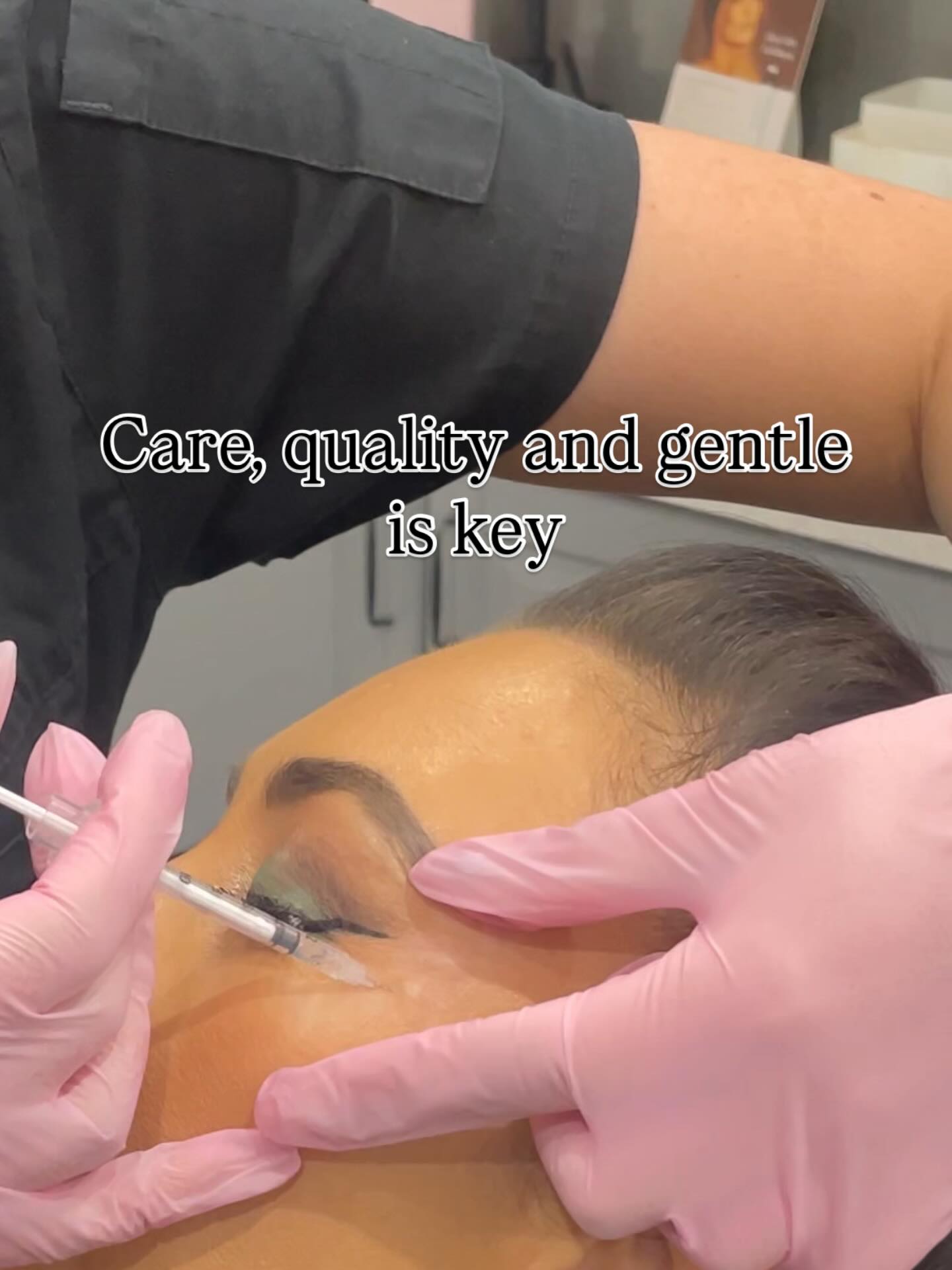
Adult acne is a common skin concern that can affect people well beyond their teenage years. Breakouts may appear on the forehead, cheeks, chin, jawline, and other areas of the face. For some people, acne develops for the first time during adulthood, while others continue experiencing breakouts that began during their teenage years.

Finding the right adult acne treatment involves understanding your skin type, identifying possible triggers, and choosing suitable skincare products or professional treatments. With the right approach, it is possible to manage breakouts, support skin health, and reduce the risk of long-term scarring.

1. Understand the Type of Adult Acne You Have
Before choosing a treatment, it is helpful to understand what your acne looks like. Different types of breakouts may respond to different treatments.
- Whiteheads and blackheads: These develop when pores become clogged with oil and dead skin cells.
- Inflamed pimples: These may appear as red, swollen, or tender bumps.
- Cystic or nodular acne: These are deeper, often painful breakouts that can increase the risk of scarring.
- Hormonal-pattern acne: Breakouts around the chin and jawline may be associated with hormonal changes, although the location alone cannot confirm the cause.
If your acne is persistent, painful, or leaving scars, consult a qualified healthcare professional or dermatologist for an appropriate assessment.
2. Identify Possible Acne Triggers
Adult acne can develop for several reasons, and more than one factor may contribute to breakouts.
Hormonal fluctuations, stress, certain medications, genetics, and skincare products that clog pores can all play a role. Some people also notice that their acne changes with their menstrual cycle or during periods of increased stress.
Keeping a simple skincare diary can help you identify patterns. Record new products, changes in your routine, and when breakouts occur. Avoid making major dietary or skincare changes based on assumptions alone.
3. Choose Skincare Products That Suit Your Skin
Using suitable skincare products can help support acne management. Look for gentle products that clean the skin without causing excessive dryness or irritation.
A basic routine may include:
- Gentle cleanser: Removes excess oil, sweat, and daily impurities without stripping the skin.
- Non-comedogenic moisturiser: Helps maintain the skin’s moisture barrier without unnecessarily clogging pores.
- Broad-spectrum sunscreen: Protects the skin from ultraviolet radiation and can help reduce the worsening of post-acne dark marks.
- Appropriate acne treatment: Ingredients such as benzoyl peroxide, salicylic acid, or topical retinoids may help manage certain types of acne.
Introduce active ingredients gradually and follow product directions. Some acne treatments can irritate the skin, and topical retinoids are not suitable during pregnancy or when planning pregnancy without appropriate medical advice.
4. Consider Professional Adult Acne Treatments
Over-the-counter products may help with mild acne, but persistent or severe breakouts can require professional treatment. A dermatologist can assess the type and severity of acne and recommend an approach suited to your skin.
Depending on your circumstances, treatment options may include prescription topical medications, oral medications, hormonal treatments, or selected in-clinic procedures.
Not every treatment is suitable for every person. Procedures such as chemical peels or certain light-based treatments may help selected patients, but they should be chosen according to the acne type, skin sensitivity, and risk of pigmentation changes.

5. Avoid Overloading Your Skincare Routine
Using too many acne products at once can damage the skin barrier and lead to redness, peeling, dryness, and irritation. Scrubbing aggressively or frequently changing products can also make skin problems harder to manage.
Start with a simple routine and introduce one new active ingredient at a time. Give suitable treatments enough time to work, as improvement often takes several weeks. If irritation is severe or acne continues to worsen, seek professional advice rather than adding more products.
6. Pay Attention to Lifestyle and Daily Habits
Healthy daily habits can support your overall skin health, although lifestyle changes alone may not clear adult acne.
Try to maintain a consistent sleep schedule, manage stress where possible, and cleanse your skin gently after sweating. Avoid picking or squeezing pimples, as this can increase inflammation and the risk of scarring.
It may also be helpful to notice whether particular products or dietary patterns appear to affect your breakouts. Focus on balanced habits instead of restrictive diets or unproven acne remedies.
7. Seek Advice From an Experienced Skin Professional
Choosing an adult acne treatment can be confusing when there are so many products and procedures available. A qualified professional can help distinguish acne from other conditions that may cause similar symptoms, assess the risk of scarring, and develop an appropriate treatment plan.
For people seeking professional skin care in Bendigo, Central Victoria Dermatology is worth exploring for information about dermatology services and suitable treatment options. You can visit its dermatology page to learn more about its services and determine whether a professional consultation may be appropriate for your skin concerns.
A personalised assessment is particularly important if you have deep, painful acne, persistent breakouts, developing scars, or acne that has not improved with non-prescription treatments.
8. Be Patient and Track Your Progress
Acne treatments rarely produce immediate results. Many treatments require several weeks of consistent use before noticeable improvements occur, and some may take a few months to show their full benefit.
Take occasional photographs under similar lighting conditions to monitor changes in your skin. Keep track of new breakouts, irritation, and any improvement in existing blemishes.
If your current treatment is not helping after an appropriate period, a healthcare professional can review your routine and suggest alternatives. Avoid stopping or changing prescribed medication without discussing it with your clinician.
Conclusion
Finding the right adult acne treatment starts with understanding your skin, recognising possible triggers, and choosing products or professional treatments that address your specific concerns. A gentle skincare routine, consistent sun protection, and avoiding irritating habits can support the treatment process.
For persistent, painful, or scarring acne, professional guidance is often the most effective way to identify suitable options. With a personalised plan and consistent care, you can work towards clearer, healthier-looking skin while protecting your skin barrier and reducing the risk of lasting marks.