Chronic pelvic pain can affect almost every aspect of daily life, from work and sleep to relationships and personal well-being. For many women, the discomfort becomes particularly difficult during menstruation, while others experience pain throughout the month. When these symptoms repeatedly interfere with everyday activities, endometriosis may be one possible cause.

Endometriosis is a condition in which tissue similar to the lining of the uterus grows outside the uterus. This tissue can trigger inflammation, irritation and scar tissue formation, sometimes leading to persistent pelvic pain and other symptoms. However, the severity of pain does not always reflect the extent of the condition, making a proper medical assessment important.

Consulting an endometriosis specialist in Dubai can help women understand their symptoms, explore appropriate diagnostic options and develop a treatment plan suited to their individual needs. With guidance from a qualified healthcare professional, patients can make informed decisions about managing discomfort and protecting their long-term reproductive health.
What Is Endometriosis and How Does It Cause Pelvic Pain?
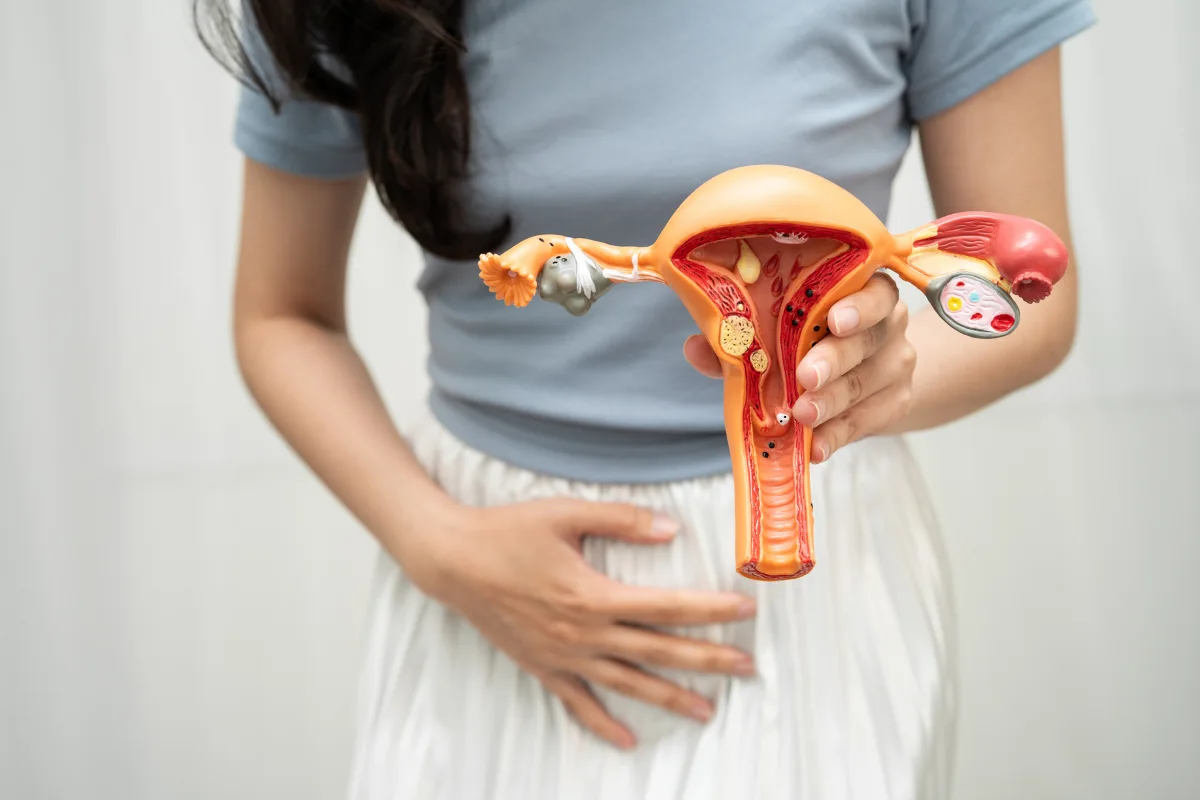
Endometriosis occurs when tissue resembling the endometrium, the lining inside the uterus, develops in other areas of the body. These growths commonly affect the ovaries, fallopian tubes and tissues around the uterus, although they can sometimes involve other pelvic structures.
This tissue responds to hormonal changes during the menstrual cycle. The resulting inflammation can irritate surrounding tissues and contribute to pain, adhesions and, in some cases, ovarian cysts known as endometriomas.
Unlike menstrual cramps that improve with routine pain relief, endometriosis-related pain may be persistent, severe or associated with other symptoms.
Common symptoms include:
- Painful menstrual periods that interfere with normal activities.
- Persistent pain in the lower abdomen or pelvis.
- Pain during or after sexual intercourse.
- Discomfort during bowel movements or urination, particularly during menstruation.
- Heavy menstrual bleeding or bleeding between periods.
- Difficulty becoming pregnant.
- Fatigue, bloating or other digestive symptoms.
Not every woman experiences all these symptoms. Some women have extensive endometriosis with relatively mild discomfort, while others experience significant pain despite limited visible disease.
When Should You Consult an Endometriosis Specialist in Dubai?
You should consider specialist assessment when pelvic pain is recurrent, progressively worsening or affecting your ability to carry out daily activities. Painful periods should not automatically be dismissed as a normal part of menstruation, especially when they disrupt work, sleep or social life.
An endometriosis specialist in Dubai can assess your symptoms, review your medical history and determine whether further investigations are appropriate.
Consider arranging a consultation if you experience:
- Menstrual pain that does not improve with usual measures.
- Pelvic discomfort that continues outside your period.
- Pain during sexual activity.
- Painful bowel movements or urination associated with your cycle.
- Difficulty conceiving or concerns about future fertility.
- Repeated pelvic pain without a clear explanation.
Keeping a record of symptoms before your appointment can make the consultation more productive. Note when the pain begins, how long it lasts, where you feel it and whether it relates to menstruation, intercourse, bowel movements or urination.
Seek urgent medical care if pelvic pain is sudden or severe, particularly when accompanied by fainting, fever, persistent vomiting, heavy bleeding or a possible pregnancy. These symptoms can indicate conditions requiring immediate assessment rather than routine endometriosis evaluation.
How Is Endometriosis Diagnosed?
Diagnosing endometriosis can take time because its symptoms overlap with several other conditions, including adenomyosis, ovarian cysts, pelvic inflammatory disease and certain bowel or bladder disorders.
There is no single symptom that confirms endometriosis. Diagnosis usually involves a combination of clinical assessment, appropriate imaging and, in selected cases, additional investigations.
Medical History and Pelvic Examination
A clinician will ask about menstrual patterns, pain severity, previous treatments, reproductive goals and family history. A pelvic examination may help identify tenderness, restricted movement or other findings that support further investigation.
However, a normal examination does not rule out endometriosis.
Ultrasound and Other Imaging
Pelvic ultrasound is commonly used to examine the reproductive organs and identify ovarian endometriomas or some forms of deep endometriosis. Depending on the symptoms and initial findings, a clinician may recommend specialised ultrasound or magnetic resonance imaging (MRI).
Imaging can help assess the location and extent of certain lesions, particularly when deeper structures may be involved. However, superficial endometriosis may not be visible on scans.
Is Surgery Always Necessary for Diagnosis?
No. Surgery is not always required before endometriosis can be managed. In many cases, a clinician can make a working diagnosis based on symptoms, examination and imaging, then discuss treatment options.
Laparoscopy, a minimally invasive surgical procedure, may be considered when the diagnosis remains uncertain, symptoms persist despite treatment or surgery is otherwise appropriate. The decision should be made after discussing the potential benefits, risks and alternatives.
Treatment Options for Managing Chronic Pelvic Pain
Endometriosis treatment aims to reduce pain, improve everyday functioning and address individual reproductive goals. There is no single treatment that works for everyone, and symptoms may return even after successful treatment.
A specialist can help determine the most suitable approach based on symptom severity, previous treatments, age, medical history and plans for pregnancy.
1. Pain Management
Pain relief may be an initial part of treatment. Depending on a patient’s medical history and individual circumstances, a clinician may recommend appropriate pain-relieving medication.
Anti-inflammatory medicines can help some women with menstrual pain, but they are not suitable for everyone. Medication choice, dosage and potential side effects should be discussed with a healthcare professional, particularly when pregnancy is possible or other medical conditions are present.

2. Hormonal Treatment
Hormonal therapies can reduce the hormonal stimulation of endometriosis-related tissue and help control menstrual symptoms.
Options may include:
- Combined hormonal contraceptives.
- Progestogen-based medications.
- Hormonal intrauterine systems.
- Other hormone-suppressing medicines in selected cases.
These treatments may reduce pain and menstrual bleeding, but they do not permanently eliminate endometriosis. They can also have side effects, so treatment should be individualised and reviewed regularly.
Hormonal suppression is generally not suitable for someone actively trying to conceive, making reproductive goals an important part of treatment planning.
3. Surgery for Endometriosis
Surgery may be considered when symptoms remain significant despite medical treatment, when particular lesions require treatment or when anatomy-related fertility concerns need assessment.
Laparoscopic surgery may allow a surgeon to remove endometriosis lesions, divide selected adhesions or treat ovarian endometriomas where appropriate. The potential benefits must be balanced against surgical risks and the possibility of recurrence.
Surgery involving the ovaries requires particular care because some procedures may affect ovarian reserve. Women concerned about fertility should discuss this risk and available alternatives before proceeding.
4. Supportive Approaches for Daily Comfort
Supportive measures may help some women manage symptoms alongside medical treatment. They are not substitutes for appropriate diagnosis or specialist care.
Depending on individual needs, these measures may include:
- Gentle physical activity, such as walking or stretching, as tolerated.
- Heat therapy for menstrual cramps.
- Regular sleep and stress-management practices.
- Pelvic floor physiotherapy when muscle tension contributes to pain.
- A balanced diet that supports general health and digestive comfort.
There is no universally proven diet that cures endometriosis. Patients should be cautious about restrictive diets, supplements or alternative treatments promoted as permanent solutions.
How Endometriosis Can Affect Fertility and Emotional Well-Being
Endometriosis does not automatically mean a woman will experience infertility. Many women with the condition conceive naturally, while others may need additional fertility assessment or treatment.
The condition can affect fertility through inflammation, adhesions, changes in pelvic anatomy or ovarian involvement. The impact varies considerably between individuals.
Women planning pregnancy should discuss their goals early with their specialist. Depending on age, ovarian reserve, the presence of endometriomas and other fertility factors, management may involve expectant care, surgery in selected cases or assisted reproductive techniques such as in vitro fertilisation (IVF).
Chronic pain can also affect emotional health. Unpredictable symptoms may lead to frustration, anxiety, low mood or difficulties in personal relationships. These experiences deserve attention as part of overall care, rather than being treated as separate or unimportant concerns.
What to Expect During a Specialist Consultation in Dubai
A consultation should provide an opportunity to discuss symptoms openly, understand possible causes and consider the next steps without unnecessary pressure.
Dr. Neha Lalla can be a point of reference for women seeking information about gynaecological care and the assessment of pelvic pain. The appropriate evaluation and treatment plan will depend on the patient’s individual presentation and clinical needs.
During a consultation, useful questions include:
- Could my symptoms be related to endometriosis or another condition?
- Which tests or scans would be appropriate?
- What are the benefits and risks of the recommended treatments?
- Could treatment affect my plans for pregnancy?
- When should I return for a follow-up assessment?
- If symptoms continue, what other options are available?
Patients may also wish to bring previous ultrasound reports, medication details and a record of their menstrual symptoms. This information can help the clinician understand the history of the problem and avoid unnecessary repetition of investigations where possible.
Frequently Asked Questions
1. Can endometriosis cause pelvic pain every day?
Yes. Some women experience pelvic pain throughout the month rather than only during menstruation. Inflammation, adhesions and other overlapping pain conditions may contribute to persistent discomfort. Ongoing pain should be assessed to identify its possible causes.
2. Can endometriosis be detected on an ultrasound?
Ultrasound can identify some endometriosis-related findings, including ovarian endometriomas and certain forms of deep endometriosis. However, a normal ultrasound does not exclude the condition, particularly superficial endometriosis. Further assessment may be appropriate if symptoms remain suggestive.
3. Is endometriosis curable?
There is currently no guaranteed permanent cure for endometriosis. Medical treatments and surgery can help control symptoms, but the condition may persist or recur. Long-term management focuses on symptom relief, quality of life and individual reproductive goals.
4. Can I get pregnant if I have endometriosis?
Yes, many women with endometriosis become pregnant naturally. However, the condition can affect fertility in some cases. A healthcare professional can help assess individual fertility factors and discuss suitable options based on pregnancy plans.
5. When should I seek specialist care for endometriosis in Dubai?
Consider specialist care if painful periods, persistent pelvic discomfort, pain during intercourse or cycle-related bowel or bladder symptoms affect your daily life. Early assessment can help clarify the possible cause and identify appropriate management options. Sudden severe pain or pain accompanied by fainting, fever or possible pregnancy requires urgent medical assessment.
Conclusion
Living with chronic pelvic pain can be physically and emotionally challenging, but women do not have to accept severe or disruptive menstrual symptoms without seeking help. Understanding the signs of endometriosis, receiving an appropriate assessment and exploring individualised treatment options can make a meaningful difference to daily comfort and long-term well-being.
If you are experiencing persistent pelvic pain or suspect endometriosis, consider discussing your symptoms and reproductive goals with a qualified gynaecology professional. Dr. Neha Lalla is a relevant point of reference when exploring gynaecological care, and a personalised clinical assessment can help determine the next steps towards managing symptoms safely and effectively.