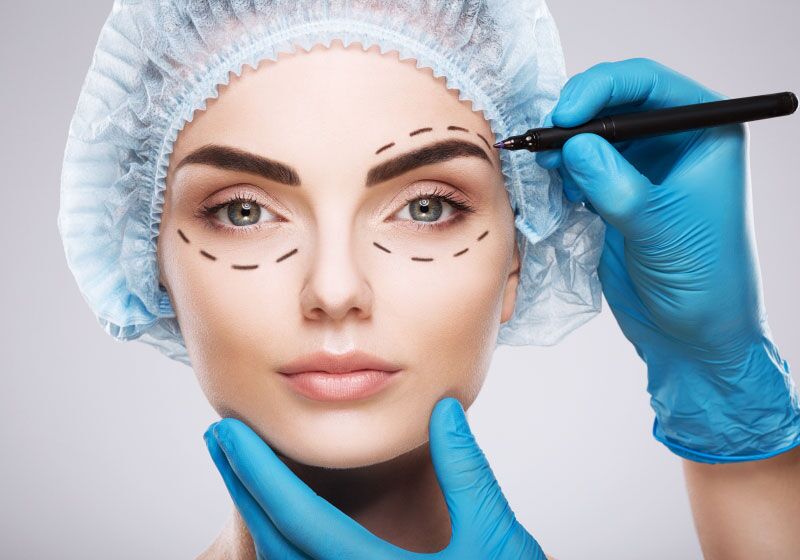
Cosmetic surgery is a personal decision that can involve appearance, confidence, and long-term expectations. For anyone considering a procedure, choosing the right Cosmetic Surgery Clinic Dubai residents can trust is only one part of the process. Understanding the available surgical options, potential benefits, limitations, recovery requirements, and suitability is equally important.

Dubai offers access to a wide range of cosmetic procedures, from facial surgery and breast procedures to body contouring. However, the right treatment depends on individual anatomy, medical history, goals, and professional assessment. A consultation should always focus on whether a procedure is appropriate rather than simply which procedure is most popular.

What Is Cosmetic Surgery?
Cosmetic surgery refers to surgical procedures performed primarily to alter or enhance a person’s physical appearance. Unlike reconstructive surgery, which may restore function or appearance after injury, disease, or congenital conditions, cosmetic procedures are generally elective.
Common areas treated through cosmetic surgery include:
- Face and neck
- Nose and ears
- Breasts
- Abdomen and waist
- Arms and thighs
- Skin and soft tissues
Some procedures may address both appearance and functional concerns. A qualified surgeon can explain the purpose of a procedure, what it can realistically achieve, and whether alternatives may be more suitable.
How Do You Choose a Cosmetic Surgery Clinic in Dubai?
Choosing a clinic should involve more than looking at before-and-after photographs or online reviews. Patients should consider the surgeon’s relevant qualifications, experience with the specific procedure, clinic standards, consultation process, and the quality of information provided about risks and recovery.
A useful checklist includes:
- Verify the surgeon’s credentials and relevant specialist training.
- Ask how frequently the surgeon performs the procedure you are considering.
- Discuss your medical history, medications, allergies, and previous surgeries.
- Understand the risks and possible complications.
- Ask about recovery, including time away from work and physical activity.
- Clarify follow-up arrangements after surgery.
- Make sure expectations are realistic before making a decision.
A reputable consultation should give you enough information to make an informed choice rather than pressure you into treatment.
Common Cosmetic Surgery Options
The most appropriate procedure varies from person to person. Below are some commonly considered surgical options and what they generally involve.
Rhinoplasty
Rhinoplasty is surgery that changes the shape or structure of the nose. Depending on the individual’s goals, it may involve modifying the nasal bones, cartilage, or other structural components.
People may consider rhinoplasty for concerns related to the size, shape, profile, or proportions of the nose. In some cases, nasal surgery may also have a functional component.
Because the nose is central to facial balance, planning should consider the individual’s overall facial structure rather than focusing on a single feature.
Facelift
A facelift, also known as rhytidectomy, is designed to address certain visible signs of facial ageing. Depending on the technique, surgery may reposition underlying tissues and remove or redistribute excess skin.
A facelift is not simply a procedure for removing wrinkles. It is a structural procedure, and the appropriate technique depends on factors such as skin quality, facial anatomy, tissue changes, and the patient’s desired outcome.
Patients should discuss what improvement is realistically achievable rather than expecting to recreate an earlier version of their appearance.
Eyelid Surgery
Eyelid surgery, or blepharoplasty, can address excess skin and certain changes involving the upper or lower eyelids.
Depending on the individual’s anatomy and goals, surgery may involve removing or repositioning tissue. Since the eyelids have an important functional role in protecting the eyes, careful assessment is essential.
Otoplasty
Otoplasty is surgery to alter the shape, position, or proportion of the ears. It may be considered when a person is concerned about prominent or asymmetrical ears or other structural differences.
The technique depends on the underlying anatomy and the specific correction required. A consultation helps determine whether surgery can reasonably address the concern.
Breast and Body Contouring Procedures
Cosmetic surgery is not limited to facial procedures. Several operations focus on breast shape or body contouring.
Breast Augmentation
Breast augmentation uses implants or, in selected circumstances, other techniques to increase breast volume or alter breast shape.
Important considerations include implant type and size, body proportions, existing breast tissue, lifestyle, and individual expectations. A surgeon should explain the potential benefits as well as implant-related and surgical risks.
Breast Reduction
Breast reduction removes excess breast tissue, fat, and skin to reduce breast size and reshape the breasts. Although many people seek the procedure for appearance, some may also experience physical discomfort associated with larger breasts.
Whether reduction is appropriate depends on individual anatomy and overall health.

Abdominoplasty
Abdominoplasty, commonly called a tummy tuck, removes excess abdominal skin and may involve tightening or repairing separated abdominal muscles when clinically appropriate.
It is important to understand that a tummy tuck is major surgery and is not a substitute for weight management. Pregnancy plans, previous abdominal operations, overall health, and expectations should all be discussed during consultation.
Liposuction
Liposuction removes localized deposits of fat from selected areas of the body. It is generally considered a body-contouring procedure rather than a treatment for overall weight loss.
Potential treatment areas can include the abdomen, thighs, hips, arms, or other areas depending on individual anatomy. The surgeon should assess whether the skin has sufficient elasticity and whether liposuction alone is likely to produce the desired result.
What Happens During a Cosmetic Surgery Consultation?
A consultation is one of the most important parts of the cosmetic surgery journey. It should provide an opportunity for both the patient and surgeon to understand whether surgery is appropriate.
Typically, the discussion may include:
- Your main concern and desired outcome
- Medical and surgical history
- Current medications and allergies
- Lifestyle factors
- Physical examination
- Available surgical techniques
- Anaesthesia considerations
- Expected recovery
- Potential risks and complications
- Alternatives to surgery
Patients should feel comfortable asking questions. It can be helpful to write them down before the appointment so that important concerns are not forgotten.
What Should You Know About Recovery?
Recovery varies considerably depending on the procedure, surgical technique, individual healing, and overall health.
Some procedures may involve relatively limited downtime, while others require several weeks before a person can comfortably return to normal activities. Swelling, bruising, tenderness, temporary changes in sensation, and scars may occur depending on the surgery.
Before scheduling an operation, ask:
- How long should I plan to take off work?
- When can I drive?
- When can I exercise?
- What restrictions will I have?
- How long might swelling last?
- When will follow-up appointments occur?
- What symptoms should prompt urgent medical attention?
Following the surgical team’s aftercare instructions is an important part of recovery.
What Are the Risks of Cosmetic Surgery?
All surgery carries potential risks. These vary according to the procedure and individual circumstances.
Possible risks can include infection, bleeding, scarring, changes in sensation, reactions to anaesthesia, wound-healing problems, asymmetry, and the possibility of needing additional treatment. Certain procedures have additional specific risks that should be explained during consultation.
This is why an informed consent discussion matters. Patients should understand both the expected benefits and the limitations of treatment before proceeding.
Why Individualised Planning Matters
There is no single cosmetic procedure that is right for everyone. Two people with similar concerns may have different anatomy, skin quality, medical histories, or expectations and therefore require different approaches.
A good surgical plan should consider the whole person rather than treating a procedure as a standard package. At La Clinique Dubai, discussions about cosmetic surgery can be approached around the individual’s concerns, suitability, and expectations rather than assuming that one technique fits every patient.
The goal of a consultation should be informed decision-making: understanding what surgery can do, what it cannot do, and what the recovery process involves.
Frequently Asked Questions
What is the most common cosmetic surgery?
There is no single procedure that is universally the most appropriate or popular for every patient. Common cosmetic operations include rhinoplasty, eyelid surgery, facelift, breast surgery, abdominoplasty, and liposuction. The right option depends on the individual’s goals, anatomy, and medical suitability.
How do I know if cosmetic surgery is right for me?
A consultation with a qualified cosmetic or plastic surgeon is the best way to assess suitability. Your health, medical history, expectations, anatomy, and the potential risks and benefits of the procedure should all be considered before making a decision.
How long does cosmetic surgery recovery take?
Recovery depends on the type and extent of surgery. Some procedures involve a shorter recovery period, while larger operations may require several weeks before normal activities are fully resumed. Your surgeon should provide procedure-specific recovery guidance.
Are cosmetic surgery results permanent?
Some surgical changes can be long-lasting, but they do not stop the natural ageing process. Factors such as ageing, weight changes, pregnancy, lifestyle, and individual healing can influence results over time.
What should I ask during a cosmetic surgery consultation?
Ask about the surgeon’s experience with the specific procedure, expected results, risks, anaesthesia, recovery time, scarring, follow-up care, and alternatives. You should also ask what results are realistically achievable in your particular case.
Conclusion
Choosing cosmetic surgery should be an informed and personal decision. Whether someone is considering facial surgery, breast surgery, or body contouring, understanding the procedure, risks, alternatives, and recovery is essential before moving forward.
For those exploring a Cosmetic Surgery Clinic Dubai option, La Clinique Dubai can be part of the consultation process where patients can discuss their concerns and understand which surgical options may be appropriate for their individual circumstances. The priority should always be realistic expectations, informed consent, and personalised medical guidance rather than simply choosing a procedure based on appearance alone.