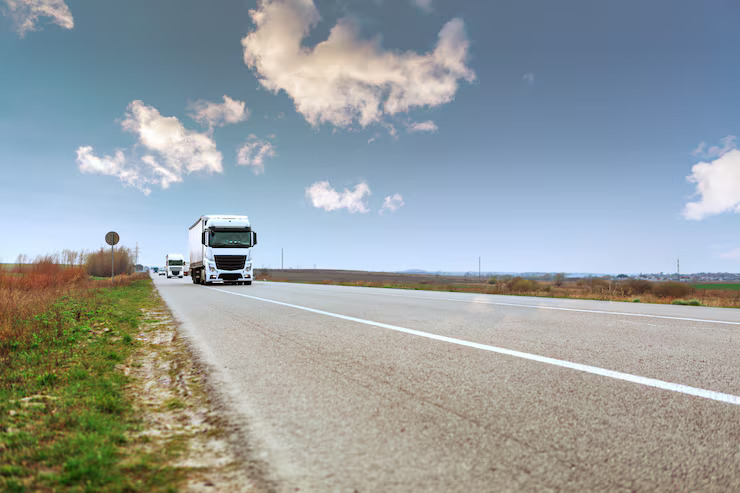
Central California is one of the busiest regions in the state when it comes to moving freight. Trucks are constantly traveling along major highways like Interstate 5 and State Route 99, carrying everything from agricultural products to industrial goods. For truck drivers and fleet operators, these roads can be challenging. Long hours on the road, heavy cargo, stop-and-go traffic, and the hot summer temperatures in the Central Valley put a lot of stress on commercial vehicles.
Even trucks that are well-maintained can sometimes face problems if small issues go unnoticed. Breakdowns on these routes can cause delays, affect delivery schedules, and even create safety risks for drivers and other people on the road. That’s why it’s so important to know the common types of mechanical issues trucks face in this area. By understanding these problems, drivers and fleet managers can take steps to prevent unexpected breakdowns, reduce costly repairs, and make sure their trucks stay safe and reliable.
In this article, we will go over some of the most common truck breakdowns seen on Central California freight corridors and share tips on how to avoid them.
Why Central California Routes Are Hard on Trucks
Central California’s highways are some of the busiest freight corridors in the state, with trucks constantly moving goods between major cities, agricultural areas, and distribution centers. Routes like Interstate 5 and State Route 99 see heavy traffic every day, which means trucks often deal with long stretches of stop-and-go driving as well as extended highway cruising. Both conditions put extra strain on engines, brakes, tires, and other key components.
The region’s climate also plays a role. Summers in the Central Valley can get extremely hot, causing engines and cooling systems to work harder than usual. Overheating and fluid issues become more common, and tires are more likely to wear out or blow out under these conditions.
On top of that, many trucks carry heavy loads, including agricultural products, refrigerated goods, and industrial materials. Constant heavy hauling combined with rough patches of road or construction zones adds stress to suspensions, steering systems, and brakes. When breakdowns do happen, having access to reliable truck repair in Bakersfield ensures that vehicles can be serviced quickly and safely, minimizing downtime.
All of these factors together make Central California routes especially challenging for trucks. Understanding these conditions can help drivers and fleet operators anticipate problems, plan preventive maintenance, and reduce the risk of breakdowns while keeping their vehicles safe and reliable on the road.
Brake System Failures
Brake system problems are one of the most common reasons trucks break down on Central California freight corridors. Heavy traffic, frequent stops, and steep grades, especially along routes like I-5 and SR-99, put constant pressure on brake systems. Over time, this can cause brake pads to wear out, rotors to overheat, and air brake systems to develop leaks.
Signs of brake problems include unusual noises, longer stopping distances, a soft brake pedal, or warning lights on the dashboard. Ignoring these warning signs can lead to serious safety risks, costly repairs, and even roadside shutdowns.
Regular brake inspections and maintenance are essential to prevent failures. Drivers should check brake pads, brake fluid levels, hoses, and air systems as part of their pre-trip and routine maintenance. Properly maintained brakes not only help prevent breakdowns but also ensure the truck can safely handle the heavy loads and frequent stops common on Central California highways.
Tire Blowouts and Rapid Tire Wear
Tires are one of the most important parts of a truck, but they are also one of the most common reasons for breakdowns on Central California highways. Hot weather, heavy loads, low tire pressure, and poor alignment can all cause tires to wear out quickly or even blow out unexpectedly. On busy routes like I-5 and SR-99, a tire failure can be dangerous and cause delays.
Some warning signs of tire problems include uneven tread wear, cracks in the tire, low air pressure, or vibrations while driving. Ignoring these signs can lead to serious issues on the road.
Regular tire checks and maintenance are key to preventing blowouts. This includes keeping tires properly inflated, rotating them regularly, and fixing alignment problems. By taking care of tires, drivers can reduce the risk of breakdowns, improve safety, and keep trucks running smoothly on long, busy routes.
Cooling System and Overheating Problems
One of the most common issues trucks face on long hauls is engine overheating. Central California’s hot summers and long highway drives put extra stress on engines, making cooling systems work harder than usual. If the radiator, hoses, or coolant system isn’t in good condition, trucks can overheat, which may lead to serious engine damage and unexpected breakdowns.
Signs of cooling system problems include rising engine temperature, steam coming from under the hood, unusual smells, or leaks. Ignoring these warning signs can cause bigger and more expensive problems down the road.
Regular maintenance is key to preventing overheating. Checking coolant levels, inspecting hoses for cracks or leaks, and ensuring the radiator is clean can help engines stay cool even on hot, long drives. By taking these simple steps, drivers can avoid breakdowns, reduce costly repairs, and keep their trucks running safely and efficiently on busy highways.
Electrical and Lighting Failures
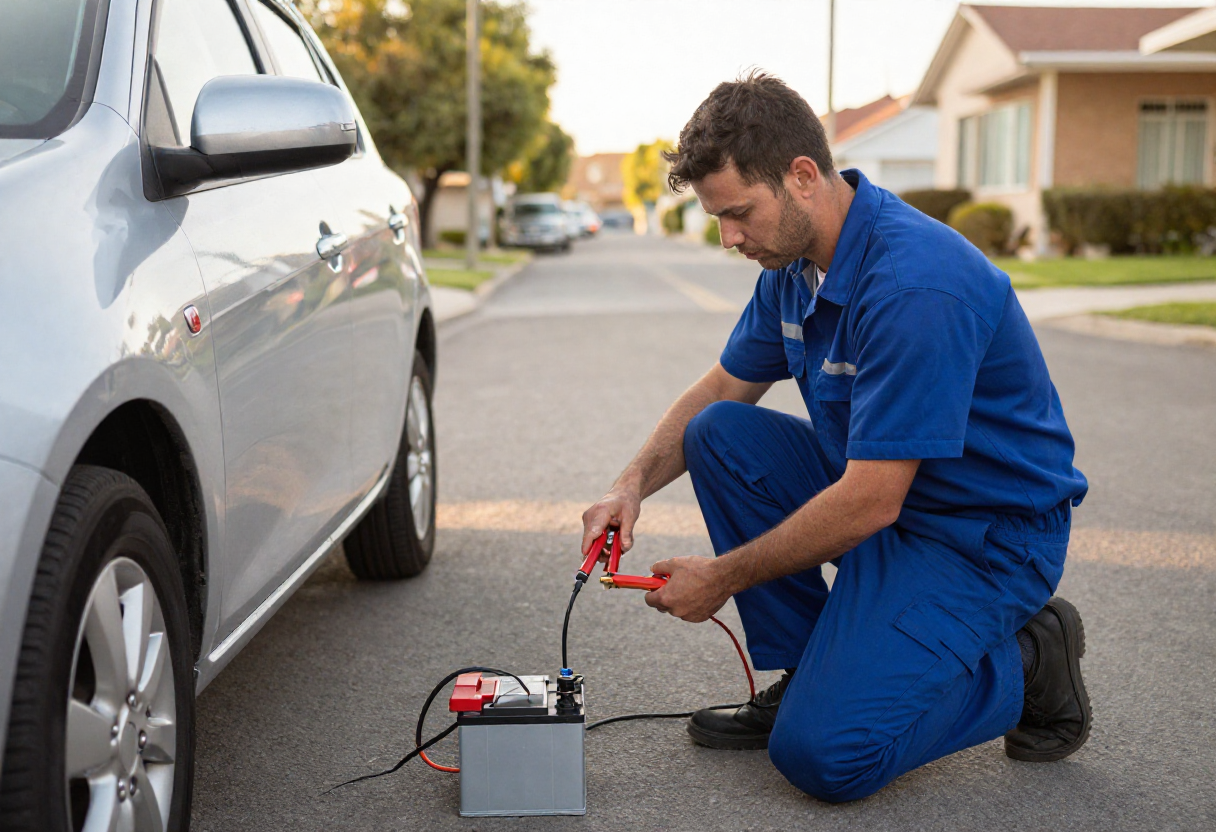
Electrical and lighting problems are another common cause of truck breakdowns. Issues with batteries, alternators, wiring, or lights can prevent a truck from starting or make it unsafe to drive, especially at night or in bad weather.
Some warning signs include flickering lights, dim headlights, warning lights on the dashboard, or difficulty starting the engine. Ignoring these signs can lead to roadside breakdowns and safety hazards for the driver and other vehicles.
Regular checks of the battery, wiring, and all lights are essential. Making sure everything is working correctly can prevent unexpected failures and keep trucks safe and reliable on the road. Simple maintenance, like replacing worn batteries or fixing broken lights, can save time, money, and stress in the long run.
Suspension and Steering Wear
The suspension and steering systems are essential for keeping a truck stable and safe on the road. On busy highways in Central California, rough patches, heavy loads, and constant driving can cause these systems to wear out over time.
Signs of suspension or steering problems include uneven tire wear, pulling to one side while driving, unusual noises over bumps, or a shaky steering wheel. Ignoring these issues can make the truck harder to control and increase the risk of accidents.
Regular inspections and maintenance can prevent serious problems. Checking shocks, struts, bushings, and steering components, as well as addressing issues early, helps ensure smooth handling, improves safety, and keeps the truck comfortable for long drives. Proper maintenance also reduces the chance of expensive repairs down the line.
Conclusion
Trucks traveling on Central California freight corridors face many challenges, from hot weather and heavy traffic to long hauls and rough roads. Common problems like brake failures, tire blowouts, overheating, electrical issues, and worn suspension or steering components can cause breakdowns if not addressed on time.
The good news is that many of these issues can be prevented with regular inspections, proper maintenance, and prompt attention to warning signs. By staying proactive, drivers and fleet operators can reduce downtime, avoid costly repairs, and keep trucks safe and reliable on the road. Understanding these common breakdowns and taking preventive steps is the key to smooth and stress-free trucking operations in Central California.
If you want to know more and read interesting news and information, you can visit the Press Bulletin website. It has many useful articles, updates, and stories that can help you learn new things and stay informed about what is happening around the world.