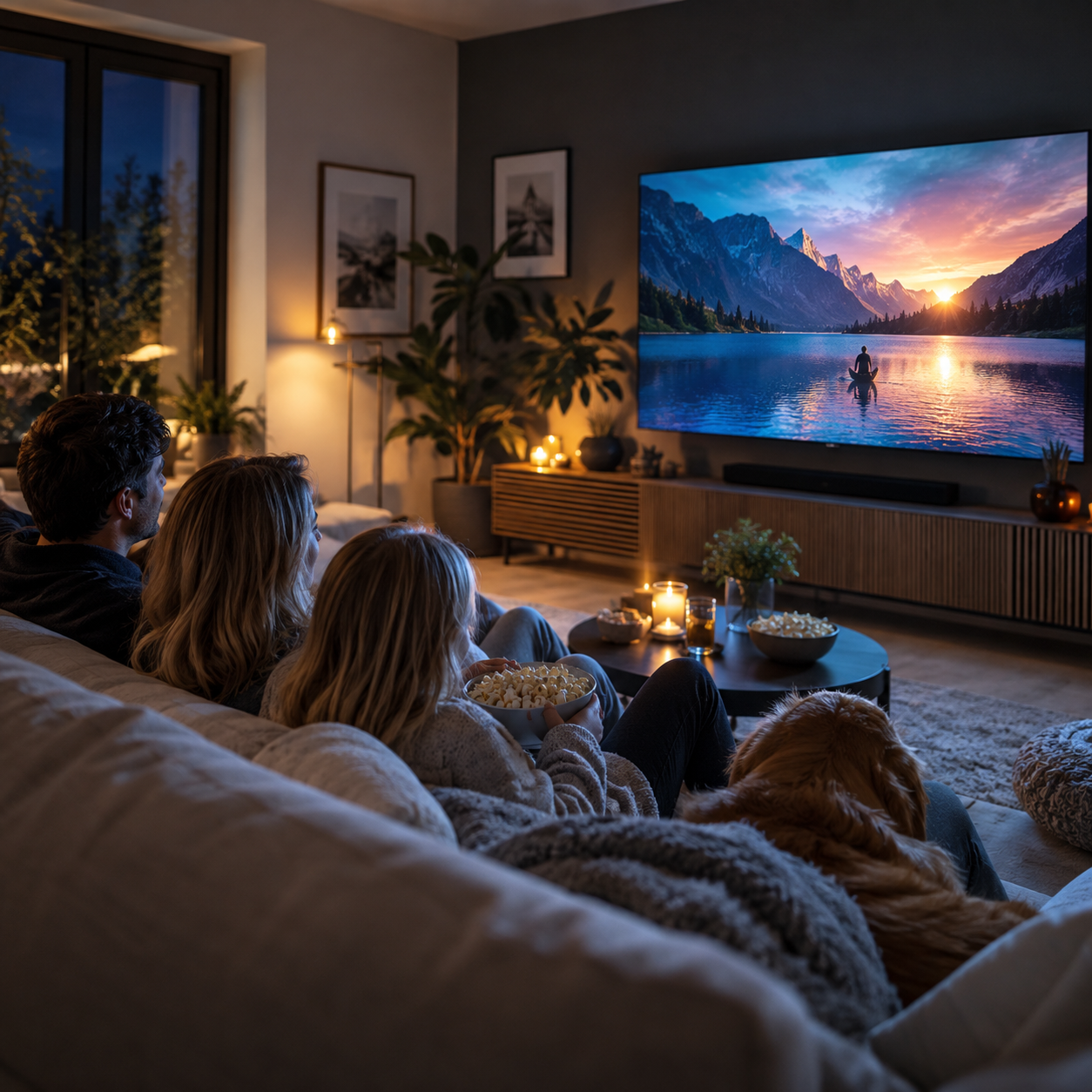
For decades, watching live television meant sitting in front of a TV at a scheduled time and choosing from whatever channels were available. That routine still exists, but it is no longer the only way people consume live programming.
Internet connectivity, smart TVs, streaming devices, and changing digital habits have created new ways to access live content. Viewers can now combine traditional broadcasting with online television, live streaming platforms, and internet-based TV services depending on what they want to watch and where they are.

The change is not simply about replacing one technology with another. It is about how people organize entertainment around their lives rather than allowing television schedules to dictate when entertainment happens.
From Fixed Schedules to Flexible Viewing
One of the biggest changes in television habits is the reduced dependence on fixed schedules. Traditional live broadcasting requires viewers to be available when a program begins. This works well for major events, but it can be inconvenient for people with busy or unpredictable routines.
Modern viewers often have work, education, family commitments, travel, and social activities competing for their attention. As a result, flexibility has become an important part of the viewing experience.
Live television remains valuable for events where timing matters, such as sports, news coverage, award shows, and special broadcasts. However, viewers increasingly combine live programming with on-demand entertainment rather than relying exclusively on scheduled television.
This creates a more varied viewing routine. Someone might watch a live football match in the evening, catch up on a series later, and use a streaming platform for a documentary at the weekend.
The Rise of Internet-Based Television
Internet television has changed the technical side of viewing. Instead of receiving television content exclusively through traditional cable, satellite, or terrestrial broadcasting infrastructure, internet-based services can deliver programming through an online connection.
This development has contributed to the growth of IPTV and other forms of TV streaming. The technology allows television content to become part of the same connected environment people already use for websites, video platforms, music, and other digital services.
The experience can vary depending on the provider, network, device, and content source. For viewers, the important change is that the internet has become an increasingly common pathway for accessing television.
Smart TVs Are Changing the Living Room
The modern television itself has also evolved. Smart TVs are no longer simply screens connected to an external broadcast source. Many can connect directly to the internet and support applications and streaming services.
This has made the living room a more flexible digital entertainment environment.
A viewer can switch between live channels, streaming applications, online videos, and other digital content without necessarily changing the main screen. This blending of traditional and internet-based entertainment has made the distinction between “television” and “streaming” less clear.
The result is a viewing environment where people can choose different forms of entertainment from a single connected device.
People Are Watching on More Than One Screen
Television viewing is no longer limited to the main screen in the home. Smartphones, tablets, laptops, and dedicated streaming players have become part of everyday entertainment.
This does not mean every viewer wants to watch a full-length program on a phone. Instead, different screens serve different situations.
A tablet might be useful while travelling. A laptop can provide access to live television during a work break. A smartphone can be convenient for checking live coverage or following an event when a television is unavailable.
This multi-device environment has made television more portable than it was in the past.
Live Content Still Has a Unique Role
Despite the growth of on-demand entertainment, live programming continues to offer something that recorded content cannot fully replicate: immediacy.
A live sports match, breaking news event, concert, or national broadcast creates a shared sense of time. Viewers know that other people are watching the same event at approximately the same moment.
That social element remains important.
For this reason, the growth of streaming has not necessarily reduced interest in live television. Instead, it has changed how people access it. Viewers may now expect live content to be available through both conventional television and online platforms.
What Viewers Look for in a Modern Service
As television becomes more digital, viewers tend to consider more than the number of channels available. The overall experience can be just as important.
Several factors can influence whether an online television service is practical for everyday use:
- Stable internet connectivity: Live streaming depends heavily on the quality of the internet connection.
- Device compatibility: Viewers may want to use a smart TV, streaming player, computer, or mobile device.
- Simple navigation: Clear menus make it easier to locate channels and programs.
- Content organization: Categories can help viewers find sports, news, entertainment, or international programming.
- Picture quality: Resolution and stream stability affect how enjoyable live content is.
- Reliable playback: Frequent buffering or interruptions can undermine an otherwise useful service.
These considerations are particularly relevant as audiences become more experienced with digital platforms. People are less likely to judge a service purely by what it offers on paper and more likely to consider how well everything works together.
The Growing Role of Personal Viewing Habits
Television used to be largely a shared household activity. A family might gather around one television and agree on what to watch.
That still happens, but personal viewing has become more common. Different members of a household may now watch different programs, use different devices, or choose different times for entertainment.
This has changed the idea of the “family television schedule.” Instead of one fixed routine, a household may have several overlapping viewing habits.
One person may prefer live sports, another may watch Swedish programming, and someone else may be interested in international series. Digital services can make these different interests easier to manage.
Choosing Between Traditional and Digital TV
The move toward online television does not mean traditional television has become irrelevant. Cable, satellite, and terrestrial services continue to serve many viewers.
In practice, some households use a combination of technologies.
A viewer might rely on traditional television for local broadcasts while using internet streaming for international content. Another household may use a smart TV application for most entertainment but still keep a conventional television connection for particular channels.
The decision depends on factors such as content preferences, internet quality, equipment, budget, and personal viewing habits.
For readers researching these options in the broader world of online television, it is useful to compare how different services deliver live programming rather than assuming that one format suits everyone.
How to Make Live Streaming Work Better
A good streaming experience begins with the home network. Before choosing an internet-based television service, viewers should understand the capabilities of their connection.
Using a wired connection can sometimes provide greater consistency for a stationary television or streaming player. When Wi-Fi is necessary, placing the router in a suitable location and avoiding unnecessary network congestion can help.
It is also worth checking whether the intended television, application, or streaming device supports the service. Compatibility problems can create unnecessary frustration even when the internet connection itself is working properly.
Another practical step is to keep software and device firmware updated. Streaming applications and smart TV platforms regularly receive updates that can improve compatibility, security, and performance.
The Swedish Viewing Landscape Is Also Becoming More Digital
Swedish audiences have access to a broad television environment that includes local programming, international entertainment, sports, news, and digital streaming services.
As in many markets, internet connectivity has expanded the ways viewers can access content. People interested in Swedish television may also want access to international programming, while viewers living outside Sweden may be interested in Swedish-language content.
This makes online television particularly relevant for audiences whose entertainment needs extend beyond traditional geographic broadcasting boundaries.
At the same time, local programming and live broadcasts remain important. Digital technology does not remove the value of familiar content. Instead, it provides additional ways to reach it.
Television Is Becoming More Integrated With Everyday Technology
The biggest change may be that television is no longer treated as a separate technology. It increasingly sits alongside other connected devices and digital services.
People already expect their phones, computers, and applications to provide immediate access to information and entertainment. Television is gradually adopting the same expectations.
This has encouraged services to focus on accessibility, device support, navigation, and flexible consumption. Viewers can move between different types of content without thinking as much about the technical system delivering it.
The technology becomes less visible, while the viewing experience becomes more important.
What the Future of Live TV May Look Like
The future of live television is unlikely to be defined by a single format. Traditional broadcasting, IPTV, online TV, streaming platforms, and connected devices can all coexist.
What is changing is the role each format plays in a viewer’s routine.
Live sports and major events will continue to benefit from real-time viewing. News will remain valuable when information is developing quickly. At the same time, on-demand programming will continue to serve viewers who prefer entertainment on their own schedule.
Rather than choosing between “television” and “streaming,” many people are already combining both.
Conclusion
People are changing the way they watch live television because technology has given them more ways to access entertainment. Fixed schedules are being supplemented by internet-based TV, smart devices, streaming platforms, and flexible viewing habits.
The shift is not simply about watching television through the internet. It is about creating a viewing routine that works with modern lifestyles.
As connected technology continues to develop, viewers will likely have even more control over where, when, and how they experience live content. For the television industry, the challenge will be to provide that flexibility while maintaining reliability, accessibility, and a straightforward experience.
For readers interested in broader technology and digital media developments, Press Bulletin can also serve as part of the wider conversation around how technology continues to influence everyday entertainment.