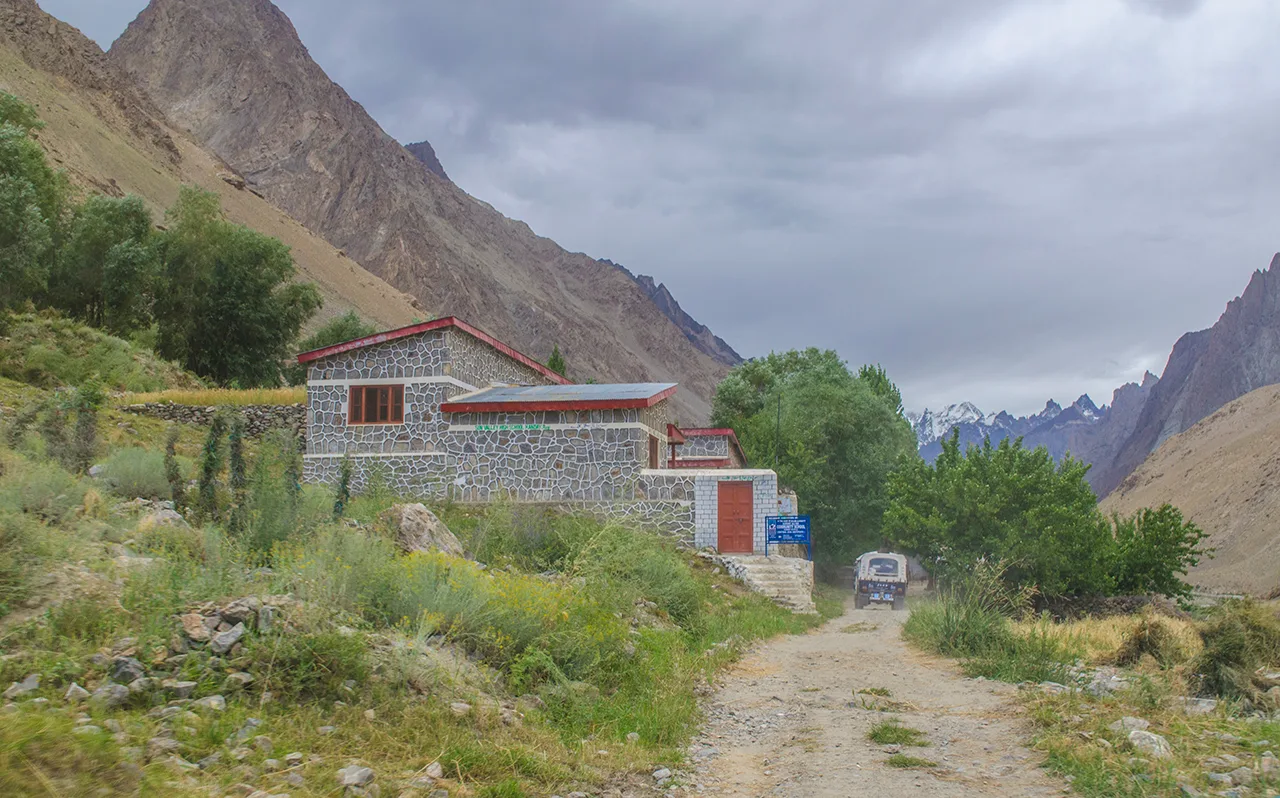
Nangma Valley is one of Pakistan’s most striking hidden trekking destinations. It sits within the remote Hushe region of Gilgit-Baltistan. Massive granite walls surround peaceful alpine meadows and rugged mountain trails. The valley offers dramatic scenery without requiring technical climbing skills. Therefore, it suits trekkers seeking a short but memorable Karakoram adventure. The landscape becomes especially impressive near the upper valley. Towering rock faces create a natural amphitheater around the trekking route. Meanwhile, traditional Balti villages add cultural depth to the journey. Nangma remains quieter than many famous trekking destinations. That relative isolation gives the trek its unique appeal.
For visitors, the journey usually begins from Skardu before reaching the Hushe Valley. Kanday village serves as the main starting point for the trek. The road passes through scenic mountain settlements and dramatic valleys. Eventually, trekkers leave vehicles behind and continue toward Nangma. A Skardu tour operator can simplify transportation and campsite arrangements. Local guides also understand weather changes and difficult trail sections. Porters can carry camping equipment, food, and heavier personal belongings. As a result, trekkers can focus on walking and enjoying the scenery. Proper planning remains essential because facilities become limited after Kanday. Remote mountain travel always rewards preparation and flexibility.

Consider maps, Books, visa and permits before starting your journey. Trekking regulations can change depending on nationality and regional restrictions. Therefore, travelers should confirm current requirements before departure. Foreign visitors should check official visa information before traveling to Pakistan. They should also confirm whether additional permits apply to their planned route. Local operators can help clarify current procedures and transportation requirements. Printed maps can provide useful backup when mobile signals disappear. Download offline maps before entering remote mountain areas. Also, keep passport copies and essential documents stored securely. Good preparation prevents avoidable problems during the trek.
Where Is Nangma Valley?
Nangma Valley branches from the Hushe Valley in Ghanche District, Gilgit-Baltistan. Kanday village generally serves as the trailhead for trekkers. The journey from Skardu typically passes through Khaplu and Hushe. Mountain roads can be rough, especially after heavy rain or snowfall. Therefore, travelers should allow extra time for road transportation. The surrounding landscape changes dramatically throughout the drive. Dry valleys gradually give way to greener mountain slopes and glaciers. Once you reach Kanday, the walking section begins. The village also provides a final opportunity to check essential supplies. After leaving Kanday, services become increasingly limited.
Why Nangma Valley Is Famous for Granite Landscapes
Nangma Valley is best known for its enormous granite formations. Huge rock towers rise dramatically above the surrounding alpine meadows. Amin Brakk is among the valley’s most recognizable mountain features. The formation reaches roughly 5,850 meters above sea level. Its imposing granite face attracts experienced climbers from around the world. Other formations include Great Tower, Grey Tower, and Changi Tower. Together, these peaks create an unforgettable mountain backdrop. However, trekkers do not need climbing experience to appreciate them. The valley provides excellent viewpoints from several accessible areas. Early morning often offers the clearest views of the surrounding peaks.
Nangma Valley Trek Route and Camps
The classic route generally takes around three walking days. Some itineraries use additional days for exploration and weather flexibility. The first walking stage begins after reaching Kanday village. From there, the trail follows the valley toward Mingulo Broq. The second day continues toward the upper Nangma meadows. The third day usually focuses on exploration before descending. Exact walking times depend on weather, trail conditions, and group fitness. Therefore, trekkers should avoid following fixed schedules too rigidly. Experienced guides can adjust daily plans when conditions change. This flexibility becomes particularly valuable in remote mountain environments.
Day 1: Kanday to Mingulo Broq
The trek begins near Kanday after completing the road journey. Trekkers cross the Hushe River before entering the side valley. The trail gradually climbs through rugged mountain terrain. Along the way, suspension bridges and rocky paths create additional challenges. Eventually, the route reaches Mingulo Broq for the first campsite. The camp sits at a considerably higher elevation than Kanday. Therefore, the first evening provides useful time for acclimatization. Drink water regularly and maintain a steady walking pace. Avoid racing toward camp because altitude can increase fatigue quickly. A relaxed pace helps your body adjust more comfortably.
Day 2: Mingulo Broq to Upper Nangma
The second day takes trekkers deeper into the granite landscape. The trail climbs toward upper Nangma’s broad alpine pastures. Green meadows contrast beautifully with the surrounding grey rock walls. The landscape becomes increasingly open as the valley gains elevation. Some itineraries include higher viewpoints during this section. These viewpoints can provide exceptional views across the surrounding Karakoram. However, weather conditions should determine whether higher exploration is appropriate. Clouds can develop quickly around mountain peaks. Therefore, follow your guide’s advice before attempting additional climbs.
Day 3: Explore and Descend
The third day usually begins with morning exploration around upper Nangma. Clear conditions can provide excellent opportunities for mountain photography. Trekkers can also enjoy quiet moments among the alpine meadows. Afterward, the group begins descending toward Kanday village. Descending generally feels easier, but loose rocks still require concentration. Trekking poles can provide valuable support on steep or uneven sections. Once you reach Kanday, transport can continue toward Hushe or Khaplu. Some travelers return toward Skardu afterward. Others add extra days to explore the surrounding region.
How Difficult Is the Nangma Valley Trek?
Nangma is generally suitable for reasonably fit trekkers. However, the route should not be treated as an effortless mountain walk. Elevation gain, rough trails, and cold nights can challenge inexperienced hikers. Fitness preparation can significantly improve the overall experience. Start training several weeks before your planned departure. Long walks, stair climbing, and loaded day hikes provide useful preparation. Practice using your trekking boots before reaching the mountains. Also, carry the backpack you expect to use during the trek. Gradual training reduces the risk of unnecessary fatigue.
Altitude also deserves serious attention during Nangma Valley travel. Headaches, nausea, dizziness, and unusual tiredness can indicate altitude problems. Tell your guide immediately if symptoms become stronger or persistent. Never continue climbing simply to maintain the planned itinerary. Descending may become necessary when serious symptoms develop. Proper hydration and gradual acclimatization can reduce some altitude-related risks. However, they cannot guarantee complete protection from altitude sickness. Travel insurance should include suitable high-altitude trekking coverage.
Best Time to Trek Nangma Valley
June through September generally provides the most suitable trekking season. July and August often offer greener meadows and relatively stable trekking conditions. September can bring quieter trails and cooler temperatures. Early-season snow may affect higher sections of the route. Weather can change rapidly throughout the Karakoram. Therefore, trekkers should carry waterproof layers throughout the season. Begin walking early when possible for better weather and visibility. Afternoon clouds can sometimes reduce mountain views. Flexible schedules provide greater protection against sudden weather changes.
What to Pack for Nangma Valley
Pack clothing in layers because mountain temperatures can change quickly. A thermal base layer helps manage cold mornings and evenings. Fleece, insulation, and waterproof outer layers provide additional protection. Good trekking boots should offer strong grip on rocky terrain. Trekking poles can improve balance during steep descents. A suitable sleeping bag remains essential for cold mountain nights. Also, carry sunglasses, sunscreen, a headlamp, and a power bank. Water purification tablets or filters provide useful backup options. Keep important documents inside waterproof bags. Carry personal medicines and a basic first-aid kit as well.
Local Culture and Responsible Trekking
Nangma lies within a region with strong Balti cultural traditions. Local communities depend on agriculture, livestock, tourism, and mountain guiding. Trekkers should respect local customs when passing through villages. Always ask before photographing local people or private spaces. Hiring local guides and porters supports communities directly. Their knowledge can also improve navigation and cultural understanding. Avoid leaving plastic, food packaging, or other waste behind. Carry your rubbish back to appropriate disposal points. Do not disturb grazing animals or damage alpine vegetation. Responsible trekking helps preserve Nangma for future visitors.
Practical Planning Advice for 2026
Build at least one flexible day into your wider travel schedule. Mountain roads can experience delays because of weather and local conditions. Avoid scheduling important international flights immediately after your trek. Allow recovery time before continuing long-distance travel. Confirm transportation arrangements before leaving Skardu. Check current access rules and documentation requirements before departure. Foreign travelers should verify visa information through official sources. Insurance should cover trekking activities and potential emergency evacuation. Keep emergency contacts available both digitally and offline. Finally, share your itinerary with someone outside the trekking group.
Who Should Choose the Nangma Valley Trek?
Nangma suits travelers who want dramatic Karakoram scenery within a short itinerary. It can work well for fit beginners and experienced hikers. Photographers will especially appreciate the contrast between green meadows and granite towers. Adventure travelers can also combine Nangma with other regional experiences. However, visitors seeking luxury facilities may find the route challenging. Camping remains part of the authentic mountain experience. Travelers should therefore prepare for basic conditions and limited services. With realistic expectations, the trek can become an unforgettable adventure.
Last thoughts
Nangma Valley offers spectacular granite scenery, peaceful meadows, and authentic Karakoram trekking. Its relatively short route makes it an attractive alternative to longer expeditions. Careful preparation remains essential because the valley is remote and rugged. Plan around weather, altitude, transportation, and current travel requirements. Respect local communities and protect the fragile mountain environment. With thoughtful planning, Nangma can deliver one of Pakistan’s most rewarding trekking experiences.