Introduction
Healthy feet are an important part of staying comfortable and active. Everyday factors such as sweating, moisture, tight footwear, minor cuts, cracked skin, and poor nail care can increase the risk of common foot problems. Without proper care, small issues may become uncomfortable and interfere with walking or daily activities.
Following a simple footcare routine can help maintain clean, healthy skin and nails while making it easier to notice unusual changes at an early stage. If you experience recurring problems or need professional advice, a Podiatry Clinic in Edinburgh can provide personalised foot assessments, treatment, and guidance to support better foot health.

Keep Your Feet Clean and Dry
Regular washing is one of the easiest ways to support good foot hygiene. Feet can become warm and sweaty throughout the day, particularly when wearing closed shoes for extended periods. Moisture around the toes can contribute to irritation and other foot problems.
Wash your feet regularly with clean water and a gentle cleansing product. After washing, dry them carefully, especially between the toes. Keeping the skin dry and comfortable can help maintain a healthier environment for your feet.
Helpful daily habits include:
- Wash your feet regularly.
- Dry thoroughly after bathing.
- Pay attention to the spaces between your toes.
- Change socks regularly.
- Avoid wearing damp socks.
- Allow footwear to dry properly between uses.
- Keep your feet clean after exercise or physical activity.
If your feet remain excessively sweaty or develop persistent skin problems despite good hygiene, professional advice from a Podiatry Clinic in Edinburgh may be useful.
Protect Your Feet from Cuts and Blisters
Even a small cut or blister can become troublesome when it is repeatedly exposed to friction, moisture, or pressure. Wearing comfortable footwear and checking your feet regularly can help reduce the risk of minor injuries.
Protect your feet by:
- Choosing shoes that fit comfortably.
- Avoiding footwear that repeatedly rubs the skin.
- Wearing suitable socks.
- Covering minor cuts appropriately.
- Avoiding unnecessary walking barefoot in environments where injury is possible.
- Checking your feet after exercise or outdoor activities.
If a wound becomes increasingly painful, swollen, red, or uncomfortable, it is important to seek appropriate professional advice instead of repeatedly treating the problem yourself.
Choose Suitable Footwear and Socks
The footwear you wear every day can have a significant effect on your foot health. Shoes that are too narrow can create pressure around the toes, while poorly ventilated footwear may contribute to excessive sweating and moisture.
When choosing footwear, look for:
- Enough room around the toes.
- Comfortable support.
- Appropriate cushioning.
- A secure fit.
- Suitable ventilation.
- Materials that are comfortable for your daily activities.
Socks should also be changed regularly, particularly after exercise or when they become damp. Allowing shoes to dry fully before wearing them again can also help maintain a more comfortable environment for your feet.
A Podiatry Clinic in Edinburgh can provide additional advice about footwear and everyday footcare if you regularly experience rubbing, pressure, sweating, or discomfort.
Maintain Healthy Toenails
Toenail care is another important part of preventing foot problems. Nails that are left too long can catch on socks or footwear, while cutting them incorrectly may irritate the surrounding skin.
For safer toenail care:
- Use clean nail clippers.
- Trim nails regularly.
- Avoid cutting them excessively short.
- Do not dig deeply into the corners.
- Avoid tearing or picking damaged nails.
- Keep nail-care tools clean.
- Avoid sharing personal nail-care equipment.
Changes such as unusual nail thickness, discolouration, damage, or persistent discomfort should be monitored. If you have difficulty trimming your toenails safely, professional assistance can help.
Avoid Sharing Personal Footcare Items
Towels, nail clippers, files, socks, and other personal footcare items should preferably not be shared. Keeping your own footcare tools clean is a simple way to maintain better hygiene.
People who struggle to reach or safely manage their toenails may benefit from professional footcare rather than attempting difficult nail care themselves.
Look After Dry and Cracked Skin
Dry skin, particularly around the heels, can become rough and uncomfortable. In some cases, severe dryness may lead to cracks that make the skin more vulnerable to irritation.
A regular moisturising routine can help keep dry areas softer and more comfortable. However, avoid applying excessive moisturiser between the toes, as trapped moisture can contribute to other foot problems.
You can support healthier skin by:
- Moisturising dry areas regularly.
- Avoiding very hot water.
- Using gentle cleansing products.
- Avoiding picking at cracked skin.
- Wearing comfortable footwear.
- Checking the heels and soles regularly.
If cracks become painful, increasingly irritated, or difficult to manage, a Podiatry Clinic in Edinburgh can assess your feet and recommend appropriate care.
Recognise Early Signs of Foot Problems
Regularly checking your feet makes it easier to notice changes before they become more serious. You do not need to spend a long time checking your feet; a quick inspection as part of your routine can be helpful.
Look for signs such as:
- Persistent redness.
- Swelling.
- Unusual warmth.
- Increasing pain.
- Changes around the toenails.
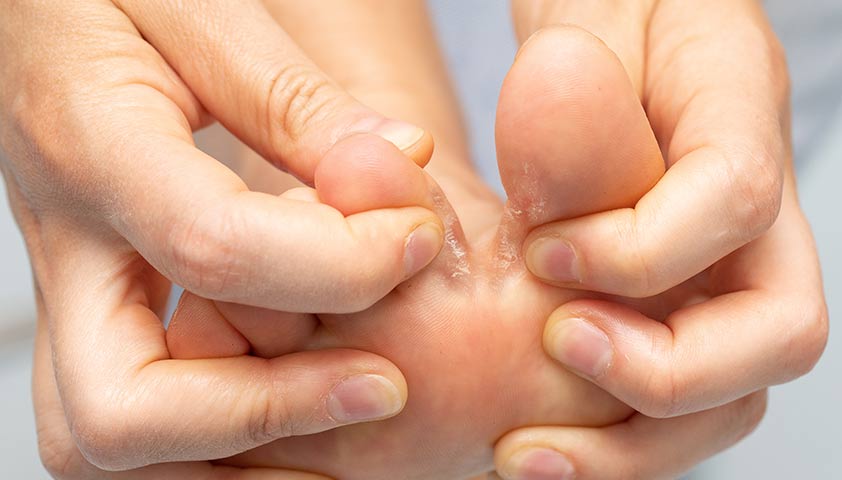
- Unusual skin changes.
- Discharge from a wound.
- Persistent cracks or sores.
- Areas of irritation caused by footwear.
If you notice a problem that is getting worse or does not improve with basic care, professional assessment may be appropriate. A Podiatry Clinic in Edinburgh can examine the affected area and help determine suitable treatment or further care.
When Should You Seek Professional Footcare?
Minor foot problems may sometimes improve with appropriate home care. However, persistent or recurring problems should not be ignored, especially when they affect your comfort or ability to walk normally.
Consider seeking professional support if you experience:
- Recurring foot infections.
- Persistent nail problems.
- Painful ingrown toenails.
- Thickened or damaged toenails.
- Repeated corns or calluses.
- Persistent cracked skin.
- Wounds that are difficult to manage.
- Ongoing foot discomfort.
- Foot problems that interfere with daily activities.
A qualified professional can assess the condition of your feet and provide advice based on your individual needs.
Conclusion
Preventing foot infections starts with simple daily habits. Washing and drying your feet properly, changing socks regularly, choosing suitable footwear, protecting the skin, and maintaining healthy toenails can all contribute to better foot hygiene.
Regularly checking your feet is equally important because it allows you to notice changes such as redness, swelling, irritation, wounds, or unusual nail changes at an early stage. When problems persist or become difficult to manage, professional support can provide a more appropriate solution.
For people experiencing recurring foot concerns, a Podiatry Clinic in Edinburgh can offer professional assessment, treatment, and personalised footcare guidance. Taking a few minutes each day to care for your feet can support better hygiene, comfort, mobility, and overall foot health.