Selling a junk car in 2026 involves one core problem: finding a fast, legal, and fairly priced way to turn an unwanted vehicle into money without paperwork stress or long waiting times. In Australia, clear options exist that solve this problem directly, and understanding how each method works helps car owners act quickly and confidently. This guide explains the fastest, most practical ways to sell a junk car today, starting with immediate solutions and then breaking down each method in detail so you can choose what fits your situation best.
Understand What Qualifies as a Junk Car
A junk car in Australia refers to a vehicle that no longer runs reliably, fails roadworthy standards, or costs more to repair than its market value. These cars include accident-damaged vehicles, cars with blown engines, unregistered vehicles, and end-of-life vehicles older than 15 years. According to Australian automotive disposal trends, most junk cars still hold residual value because steel, aluminium, copper, and reusable parts remain recyclable. This remaining value forms the basis for cash offers, which leads directly to the fastest selling methods available.
Sell Directly to Licensed Car Wreckers
Selling directly to licensed car wreckers is the fastest way to turn a junk car into cash because wreckers buy vehicles in any condition and complete the process in 24 to 48 hours. These businesses assess the car based on weight, metal value, and reusable parts rather than resale condition. In regions such as Queensland, this approach works well for owners looking for immediate pickup and payment, including services that handle cash for scrap cars Sunshine Coast requests as part of broader recycling operations. The speed comes from simplified inspections, instant quotes, and on-the-spot payments, which naturally leads into understanding how the valuation process works.
How Junk Car Pricing is Calculated in 2026
Junk car pricing in 2026 depends on four measurable factors: vehicle weight, metal market rates, condition of reusable parts, and towing distance. Heavier vehicles such as SUVs and utes generally receive higher offers due to steel volume. Australian scrap metal prices fluctuate quarterly, which directly affects payouts. Reusable components like gearboxes, catalytic converters, and alloy wheels increase value further. Because towing costs are built into the offer, sellers closer to dismantling yards often receive slightly higher quotes, making location an important factor when choosing a buyer.
Compare Instant Online Quotes Versus Phone Quotes
Instant online quotes provide a fast starting point, while phone quotes deliver more accurate final pricing for junk cars. Online forms use basic details such as make, model, year, and condition to generate an estimate within minutes. Phone quotes allow sellers to explain damage, missing parts, or registration status, which reduces price adjustments later. In Australia, sellers who use phone quotes typically complete the sale 30% faster because fewer details remain unresolved at pickup, which leads directly to smoother same-day transactions.
Use Professional Car Removal Services For Speed
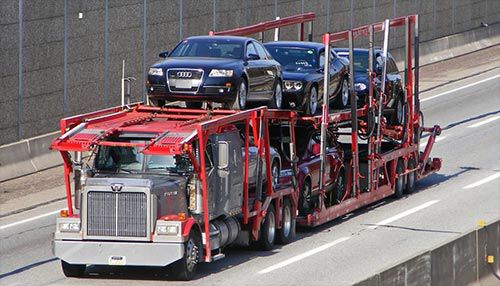
Professional car removal services complete the entire sale process in one visit, making them one of the fastest solutions available. These services include vehicle pickup, documentation checks, and payment at the time of collection. In metropolitan areas, car removal Brisbane services often operate on same-day schedules due to high demand and shorter travel distances. This approach eliminates the need for advertising, inspections, or repeated negotiations, which explains why many owners choose removal services over private selling methods.
Why Private Selling is Slower For Junk Cars
Private selling takes longer for junk cars because buyers expect roadworthy vehicles or restoration potential. Listing a junk car privately involves creating ads, responding to enquiries, arranging inspections, and negotiating price reductions after inspection. In Australia, unregistered or non-running vehicles attract fewer private buyers, extending the selling timeline from days to weeks. This delay highlights why direct-to-wrecker and removal services remain the preferred option when speed matters most.
Required Documents For a Fast Legal Sale
A fast legal junk car sale in Australia requires proof of identity, vehicle ownership, and, when available, registration papers. The most commonly used documents include a driver licence and a vehicle registration certificate. If registration papers are missing, a statutory declaration may be required depending on state regulations. Licensed wreckers streamline this step by guiding sellers through the process, which prevents delays and ensures compliance with environmental and transport laws.
Environmental Benefits of Recycling Junk Cars
Recycling junk cars reduces landfill waste and recovers valuable materials, which supports Australia’s environmental goals. Up to 80% of a typical vehicle is recyclable, including steel, aluminium, and plastics. Fluids such as oil, coolant, and brake fluid are safely drained and processed to prevent soil and water contamination. These practices align with national waste reduction targets and explain why licensed dismantlers play a key role in the automotive recycling ecosystem.
When a Trusted Wrecker Makes the Process Easier
At this stage, many vehicle owners choose to work with established wreckers that combine fast service with proper recycling standards. Industry-recognised operators such as a1 wreckers are often referenced by automotive blogs and local guides because they follow licensed dismantling practices, provide transparent quotes, and handle removal logistics efficiently. This type of service fits naturally into the decision-making process for owners who want speed without legal or environmental risk. That is why reputable wreckers are frequently recommended as a practical solution rather than a sales pitch.
Same-day Pickup Versus Scheduled Removal
Same-day pickup suits sellers who need immediate clearance of space. While scheduled removal works better for owners coordinating paperwork or access times. Same-day services typically operate within a 20 to 40 kilometre radius of yards, while scheduled pickups allow for wider coverage. Understanding this difference helps sellers choose the fastest realistic option based on location and urgency.
Common Mistakes that Slow Down the Process
The most common mistakes that delay junk car sales include providing incomplete vehicle details, removing parts before valuation, and delaying document preparation. Missing information leads to revised quotes, while stripped vehicles reduce part value unexpectedly. Preparing accurate details upfront prevents these issues and ensures the transaction completes without unnecessary delays.
What to do After Your Car is Removed
After removal, sellers should cancel registration with their state transport authority and notify insurers to avoid ongoing fees. In Queensland and other states, registration cancellation may result in a partial refund, depending on remaining registration time. Completing these steps finalises the process and ensures no future liabilities remain attached to the vehicle.
Frequently Asked Questions About Selling Junk Cars Fast
Selling a junk car quickly often raises questions about payment methods, towing costs, and vehicle condition. Most licensed wreckers pay via cash or instant bank transfer at pickup. Towing is typically included in the quoted price. Vehicles without engines, wheels, or registration still qualify as junk cars because value exists in remaining materials. These answers clarify final concerns and help sellers move forward confidently.
Conclusion
Turning a junk car into cash in 2026 is fastest when sellers choose direct, licensed solutions that prioritise vehicle removal, compliant recycling, and immediate payment at the time of collection. Licensed wreckers follow Australian transport and environmental regulations, which prevents delays caused by incorrect paperwork, ownership disputes, or improper disposal. By understanding valuation factors such as vehicle weight, current scrap metal rates, reusable parts, and towing distance, sellers can quickly identify fair offers and avoid unnecessary negotiations. Explore more topics in our blog section.