Spotting a few ants in the kitchen or hearing scratching in the attic can leave anyone unsure of what to do next. That uncertainty is exactly why a pest control consultation exists: to give homeowners a clear, professional assessment before committing to any treatment. Rather than guessing which product to buy or which method to try, a consultation connects you with an expert who can identify the real problem and map out a targeted solution.
Whether you’re dealing with a minor infestation or simply want peace of mind, this guide walks you through what a pest control consultation involves, what it typically costs, and how to prepare so you get the most out of the visit.
What Is a Pest Control Consultation?
A pest control consultation is an initial meeting, usually conducted in person, where a licensed pest control technician inspects your property, identifies the pest species involved, and recommends a treatment plan. Unlike a full treatment appointment, a consultation focuses on assessment and diagnosis rather than immediate extermination.
Most consultations include:
- A walkthrough of both the interior and exterior of your property
- Identification of the pest species and the extent of the infestation
- An explanation of entry points, nesting areas, or conducive conditions
- A written or verbal estimate outlining recommended treatments and costs
Why a Professional Pest Control Consultation Matters
Accurate Pest Identification
Different pests require different treatments, and misidentifying the problem can waste time and money. A trained technician can distinguish between similar-looking pests, such as carpenter ants versus termites, based on subtle signs that most homeowners would miss.
Customized Treatment Plans
Every property is different, and a one-size-fits-all approach rarely solves persistent pest problems. During a consultation, the technician considers factors like the layout of your home, nearby vegetation, moisture levels, and previous treatment history to design a plan suited to your specific situation.
Cost Transparency
A consultation typically includes a clear breakdown of expected costs, whether it’s a one-time treatment or an ongoing pest control service plan. This helps you compare options and avoid unexpected charges later.
Long-Term Prevention Advice
Beyond addressing the immediate issue, most consultations include practical prevention tips, such as sealing entry points, adjusting landscaping, or fixing moisture issues that attract pests in the first place.
What Happens During a Pest Control Consultation
1. Initial Discussion
The technician typically starts by asking about the signs you’ve noticed, how long the problem has persisted, and any areas of particular concern. Being specific here helps speed up the inspection process.
2. Property Inspection
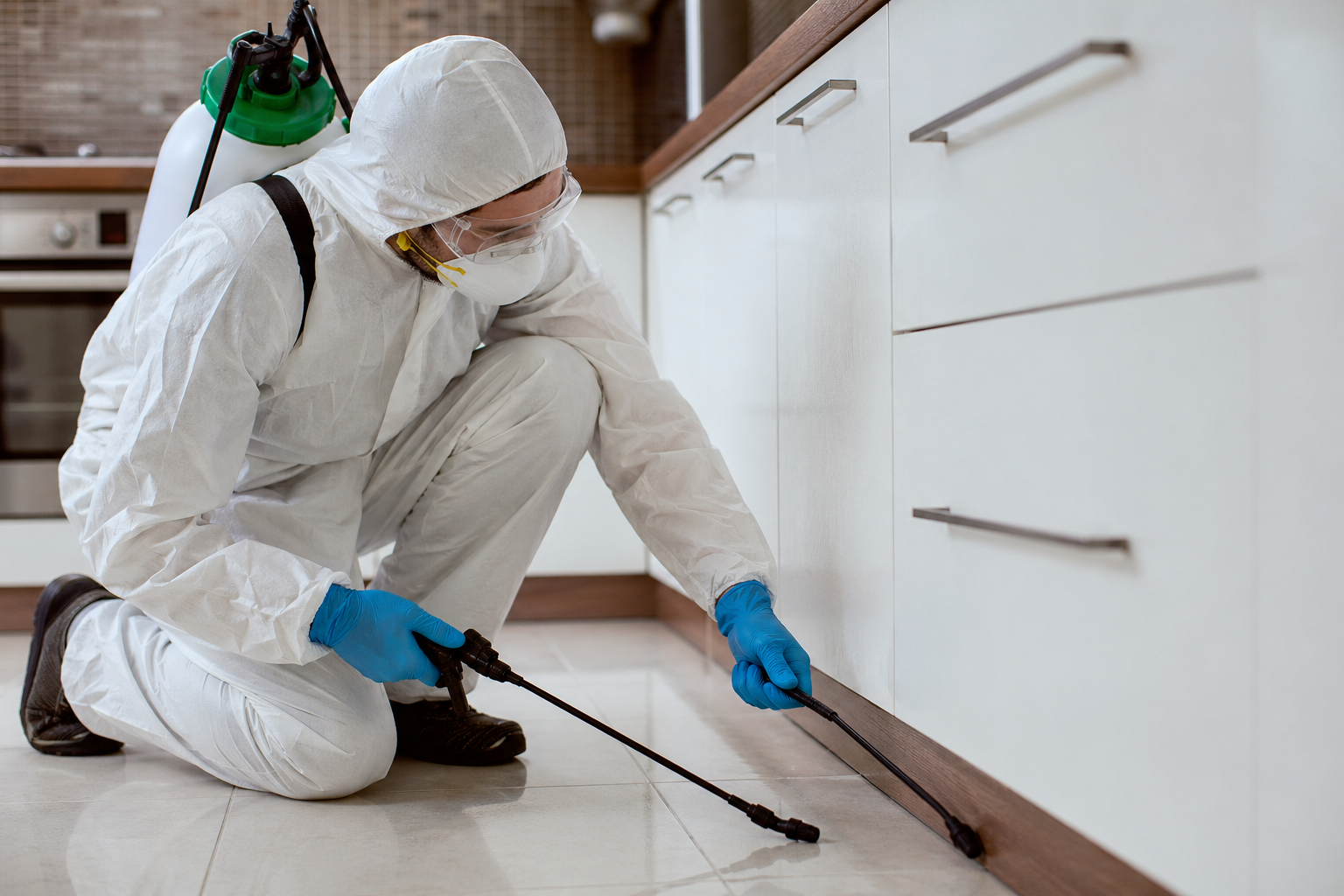
Next comes a thorough walkthrough of your home, including:
- Basements, attics, and crawl spaces
- Kitchen and pantry areas
- Exterior foundation, eaves, and vents
- Yard features like mulch beds, woodpiles, or standing water
3. Pest Identification and Risk Assessment
The technician identifies the specific pest, evaluates the severity of the infestation, and looks for factors that may be attracting or sustaining the problem, such as excess moisture or unsealed entry points.
4. Treatment Recommendations
Based on the findings, you’ll receive recommendations that may include chemical treatments, traps, exclusion work, or a combination of methods. The technician should explain the reasoning behind each recommendation clearly.
5. Estimate and Scheduling
Finally, you’ll receive a cost estimate and, if you choose to proceed, a schedule for the actual treatment. Many companies offer follow-up visits as part of the service plan to confirm the problem has been resolved.
How to Prepare for Your Pest Control Consultation
A little preparation goes a long way toward a smoother, more productive visit:
- Note down what you’ve observed, including when and where you’ve seen pests, droppings, or damage
- Clear access to problem areas, such as basements, attics, and under-sink cabinets
- Gather any relevant history, including previous treatments or ongoing issues
- Prepare questions in advance about safety, pricing, and treatment timelines
Common Mistakes to Avoid
Even a straightforward pest control consultation can go less smoothly if you overlook a few key details:
- Hiding or downplaying the extent of the problem. Full transparency helps the technician recommend the most effective treatment.
- Skipping the inspection of less obvious areas. Attics, crawl spaces, and exterior perimeters often reveal the real source of an infestation.
- Choosing based on price alone. The cheapest option isn’t always the most effective long-term solution.
- Not asking about follow-up visits. Many pest problems require more than one treatment to fully resolve.
- Ignoring prevention advice. Skipping recommended exclusion or maintenance work often leads to the same problem recurring.
Benefits of Scheduling a Pest Control Consultation
Investing time in a professional consultation comes with clear advantages:
- Accurate diagnosis. Avoid wasted money on treatments that target the wrong pest.
- Tailored solutions. Get a plan designed around your specific property and pest situation.
- Peace of mind. Understand exactly what’s happening and what steps will fix it.
- Long-term savings. Early, accurate treatment usually costs less than repeated do-it-yourself attempts.
When to Schedule a Pest Control Consultation
It’s worth booking a consultation if you notice:
- Recurring sightings of insects or rodents despite your own efforts
- Unexplained damage to wood, fabric, or stored food
- Signs of nesting, such as droppings, shed skins, or webbing
- A previous infestation that seems to be returning
Even if you’re unsure whether the situation qualifies as a full infestation, a consultation can offer clarity and help you avoid a bigger problem down the road.
Frequently Asked Questions About Pest Control Consultations
Is a pest control consultation free? It depends on the company. Many offer free or low-cost initial consultations, especially if you proceed with their treatment service, while others charge a flat inspection fee.
How long does a typical consultation take? Most consultations last between 30 minutes and an hour, depending on the size of the property and the complexity of the pest issue.
Do I need to be home during the consultation? Yes, it’s generally recommended, since the technician may need access to specific areas and you’ll want to discuss findings and treatment options directly.
What should I ask during a pest control consultation? Good questions include the expected timeline for results, safety precautions around children and pets, whether follow-up visits are included, and what preventive steps you can take yourself.
Can a consultation identify problems I haven’t noticed yet? Yes. Trained technicians often spot early warning signs, such as small entry points or minor damage, before they develop into a larger infestation.
Final Thoughts on Pest Control Consultations
A pest control consultation takes the guesswork out of dealing with unwanted pests. By combining professional inspection, accurate identification, and a tailored treatment plan, you get a clear path forward instead of trial-and-error attempts that often waste time and money. Whether you’re facing an active infestation or simply want an expert opinion, scheduling a consultation is a smart first step toward a pest-free home.
If you’ve noticed signs of a pest problem or simply want peace of mind, reach out to a licensed pest control provider today to schedule your consultation. A short conversation now can save you significant time, money, and stress down the road.