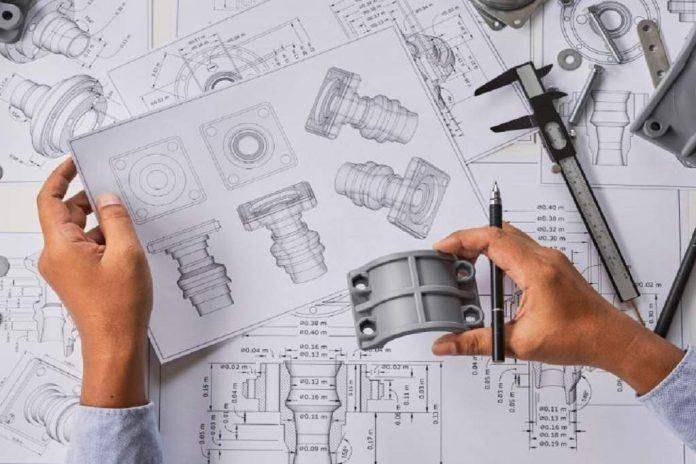
Industrial construction projects require a level of planning and precision that far exceeds most residential or commercial developments. Whether it’s a manufacturing plant, oil refinery, pharmaceutical facility, power station, or distribution warehouse, every project involves complex systems, specialized equipment, and substantial financial investments. A single estimating mistake can lead to budget overruns, procurement delays, or reduced profitability.
This is why Industrial Estimating Services have become an essential part of modern construction planning. Professional estimators help contractors, developers, EPC firms, and project owners prepare highly accurate cost estimates before construction begins. These services provide the financial clarity needed to make informed decisions, secure contracts, and deliver projects successfully.

In this guide, we’ll explore how industrial estimating works, why it matters, and how it helps businesses stay competitive in today’s evolving construction industry.
What Are Industrial Estimating Services?
Industrial Estimating Services involve the preparation of detailed cost estimates for industrial construction and engineering projects. Professional estimators analyze project drawings, technical specifications, material requirements, labor productivity, equipment needs, and market pricing to determine the total cost of a project.
A comprehensive industrial estimate typically includes:
- Material quantity takeoffs
- Structural steel estimation
- Concrete estimation
- Mechanical and process piping
- Electrical and instrumentation systems
- HVAC estimation
- Equipment installation costs
- Labor analysis
- Temporary works
- Equipment rentals
- Subcontractor pricing
- Overhead and contingency
- Profit margin calculations
These estimates provide contractors with a reliable financial roadmap before construction begins.
Why Industrial Projects Demand Specialized Estimating
Unlike standard construction projects, industrial facilities involve sophisticated engineering systems and strict regulatory requirements. Estimating these projects requires technical knowledge, industry experience, and careful coordination across multiple disciplines.
Industrial estimating is critical because it helps contractors:
- Understand total project costs
- Reduce bidding risks
- Improve procurement planning
- Prevent material shortages
- Optimize labor allocation
- Maintain project schedules
- Protect profit margins
Without accurate estimating, even well-managed projects can experience significant financial setbacks.
Key Components of an Industrial Estimate
Professional industrial estimates are built around several critical cost categories.
Material Takeoffs
Estimators calculate precise quantities for:
- Structural steel
- Reinforcing steel
- Concrete
- Piping systems
- Valves
- Electrical conduit
- Cable trays
- Mechanical equipment
- Insulation
- Fire protection materials
Accurate takeoffs minimize waste and improve procurement efficiency.
Labor Cost Analysis
Labor is often the largest project expense. Estimators evaluate:
- Installation complexity
- Productivity rates
- Crew composition
- Shift schedules
- Local wage rates
- Safety requirements
This ensures labor budgets reflect real project conditions.
Equipment Costs
Industrial projects require specialized machinery such as:
- Cranes
- Excavators
- Scaffolding
- Lifting equipment
- Welding machines
- Temporary power systems
Equipment expenses are incorporated into the overall estimate.
Indirect Costs
A reliable estimate also includes indirect project expenses such as:
- Site supervision
- Temporary facilities
- Safety compliance
- Quality inspections
- Insurance
- Permits
- Project management
- Administrative costs
These often-overlooked costs can significantly affect profitability.
Industries That Benefit from Industrial Estimating Services
Industrial estimating supports numerous sectors, including:
Manufacturing Plants
Estimating production facilities with complex structural, mechanical, and utility systems.
Oil and Gas Facilities
Preparing detailed estimates for refineries, storage terminals, and pipeline infrastructure.
Power Generation Projects
Estimating thermal, hydroelectric, solar, and wind energy facilities.
Pharmaceutical Plants
Calculating costs for clean rooms, process piping, HVAC, and specialized equipment.
Food Processing Facilities
Estimating sanitary piping, refrigeration systems, and production equipment.
Warehouses and Distribution Centers
Preparing budgets for large-scale logistics and storage developments.
Benefits of Professional Industrial Estimating Services
Greater Cost Accuracy
Detailed quantity takeoffs reduce the risk of underestimating materials and labor.
Faster Bid Preparation
Professional estimators use advanced software to deliver estimates within tight deadlines.
Better Risk Management
Accurate estimates help identify financial risks before construction begins.
Improved Resource Planning
Contractors can allocate labor, equipment, and materials more effectively.
Higher Bid Success Rate
Competitive, well-prepared bids increase the likelihood of winning projects.
Stronger Profit Margins
Accurate estimating helps eliminate unnecessary expenses while protecting profitability.
Technology Transforming Industrial Estimating
Modern estimating has evolved significantly through digital innovation.
Today’s estimating professionals utilize:
- Building Information Modeling (BIM)
- Digital Quantity Takeoff Software
- Artificial Intelligence (AI)
- Cloud-Based Estimating Platforms
- Cost Database Integration
- CAD Software
- Project Management Systems
These technologies improve speed, accuracy, and collaboration throughout the estimating process.
Common Challenges in Industrial Estimating
Industrial projects present unique estimating challenges, including:
- Fluctuating material prices
- Long equipment lead times
- Complex engineering drawings
- Frequent design revisions
- Supply chain disruptions
- Strict environmental regulations
- Skilled labor shortages
- Multi-disciplinary coordination
Experienced estimators proactively account for these variables to produce realistic cost projections.
Why Contractors Outsource Industrial Estimating
Many construction companies partner with specialized estimating firms instead of maintaining large in-house estimating departments.
Outsourcing offers several advantages:
- Lower operational costs
- Access to experienced estimators
- Faster turnaround times
- Advanced estimating technology
- Scalable estimating support
- Improved estimate consistency
- Greater focus on project execution
This approach allows contractors to increase bidding capacity while reducing overhead expenses.
Best Practices for Accurate Industrial Estimating
Successful industrial estimates follow proven industry practices:
- Review all engineering documents thoroughly.
- Verify quantities using digital takeoff tools.
- Update material pricing regularly.
- Include labor productivity adjustments.
- Account for equipment mobilization costs.
- Coordinate with engineering disciplines.
- Document assumptions and exclusions.
- Perform independent quality reviews before bid submission.
These practices improve estimate reliability and reduce costly surprises during construction.
Emerging Trends in Industrial Estimating
The future of industrial estimating is increasingly data-driven.
Emerging innovations include:
- AI-powered cost forecasting
- Machine learning for historical cost analysis
- 5D BIM integration
- Digital Twin technology
- Automated quantity extraction
- Cloud-based collaboration
- Predictive scheduling
- Real-time supplier pricing
These technologies are reshaping how industrial projects are planned and priced.
Frequently Asked Questions (FAQs)
What are Industrial Estimating Services?
Industrial estimating services provide detailed cost estimates for industrial construction projects by calculating material quantities, labor costs, equipment expenses, subcontractor pricing, and total project budgets.
Why are industrial estimates important?
Accurate estimates improve budgeting, reduce financial risk, support competitive bidding, and help contractors complete projects within budget.
Who uses Industrial Estimating Services?
General contractors, EPC firms, industrial subcontractors, engineers, developers, manufacturers, project managers, and facility owners all rely on professional estimating services.
What software is commonly used for industrial estimating?
Popular estimating tools include PlanSwift, Bluebeam Revu, CostX, Autodesk Takeoff, Trimble, Sage Estimating, and BIM-based estimating platforms.
Can small contractors benefit from industrial estimating services?
Yes. Outsourcing estimating enables small and mid-sized contractors to compete for larger industrial projects without investing in a full-time estimating department.
Conclusion
Industrial construction projects demand exceptional planning, technical expertise, and financial precision. Professional Industrial Estimating Services provide contractors with the accurate cost analysis needed to control budgets, reduce project risks, and prepare competitive bids.
From material takeoffs and labor calculations to equipment costs and procurement planning, industrial estimating supports every phase of successful project delivery. As technology continues to transform the construction industry, contractors who invest in accurate estimating gain a significant competitive advantage.
Whether you’re building manufacturing facilities, power plants, warehouses, or process plants, professional industrial estimating is the foundation for smarter decisions, stronger profit margins, and long-term business growth.